Understanding the Critical Role of Coal Mine Conveyor Belt Systems
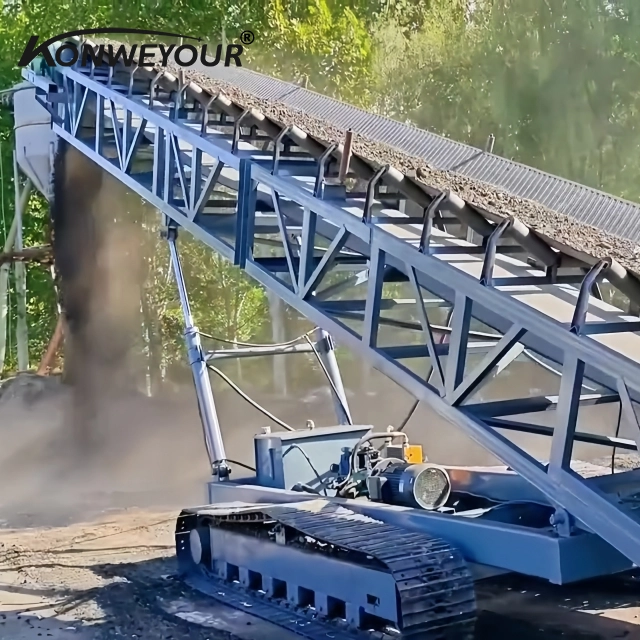
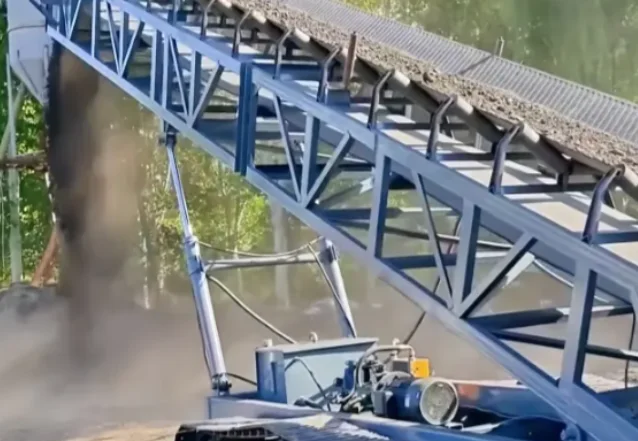
The backbone of any productive coal mining operation, modern coal mine conveyor belt systems are far more than mere material transporters; they are sophisticated, integrated logistical solutions critical for efficiency, safety, and profitability. In an industry defined by challenging environments and stringent regulatory demands, these systems facilitate the continuous, high-volume movement of excavated coal from the mine face to processing plants or stockpiles. Their unwavering performance directly impacts a mine's throughput capacity and operational continuity. Historically, coal transport relied on less efficient methods, but the advent of robust, high-capacity conveyor belts revolutionized the industry, enabling unprecedented economies of scale. Today's systems must contend with abrasive materials, fluctuating loads, extreme temperatures, and often explosive atmospheres, necessitating designs that prioritize durability, reliability, and advanced safety features. A well-engineered conveyor system can significantly reduce operational costs associated with manual labor, trucking, and intermittent transport methods, while simultaneously enhancing worker safety by minimizing human interaction with heavy machinery and hazardous zones. The initial investment in a top-tier system yields long-term returns through sustained productivity and minimized downtime, underscoring their indispensable value in the global energy landscape.
Leveraging Advanced Technologies for Unprecedented Efficiency and Safety
The modern era has ushered in a wave of technological advancements that have fundamentally transformed conveyor belt systems within the coal mining sector. These innovations are primarily driven by the imperative for enhanced operational efficiency, reduced environmental impact, and, most critically, unparalleled safety. Smart sensing technologies, including thermal imagers, acoustic sensors, and RFID tags, now provide real-time data on belt condition, splice integrity, roller performance, and material flow. This granular data enables predictive maintenance strategies, shifting from reactive repairs to proactive interventions. For instance, integrated vibration analysis can predict idler bearing failures weeks in advance, allowing for scheduled replacements that prevent costly, unscheduled shutdowns. One notable advancement is the widespread adoption of permanent magnet motors and variable frequency drives (VFDs), which offer superior energy efficiency and precise speed control, leading to an estimated 15-20% reduction in power consumption compared to traditional systems. Furthermore, automation and control systems, powered by PLC and SCADA architectures, allow for remote operation and monitoring, significantly reducing human exposure to hazardous areas. Artificial intelligence and machine learning algorithms are increasingly being deployed to analyze vast datasets from conveyor operations, identifying subtle patterns indicative of impending failures or opportunities for operational optimization. These intelligent systems can adjust belt speeds based on material density and demand, optimize energy usage, and even autonomously detect and address minor deviations, thereby preventing major incidents. The integration of advanced fire suppression systems, emergency stop protocols, and belt rip detection mechanisms further elevates safety standards, making contemporary conveyor systems not just efficient, but inherently safer.
Engineering Excellence: Anatomy and Durability of Modern Conveyor Components
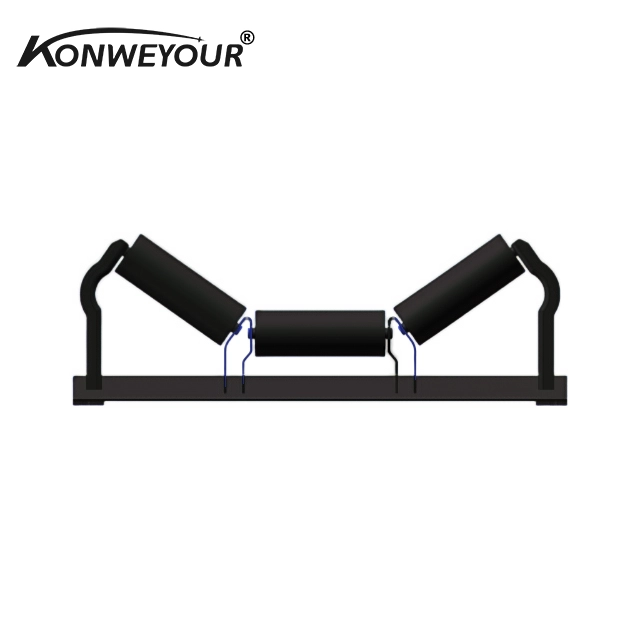
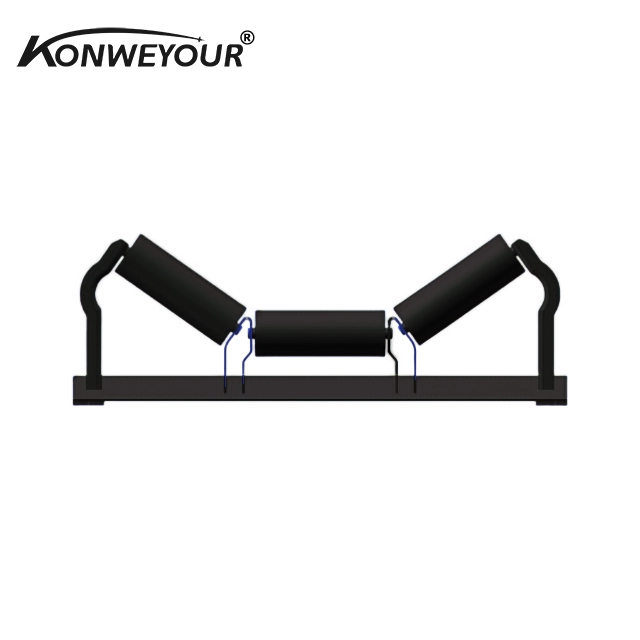
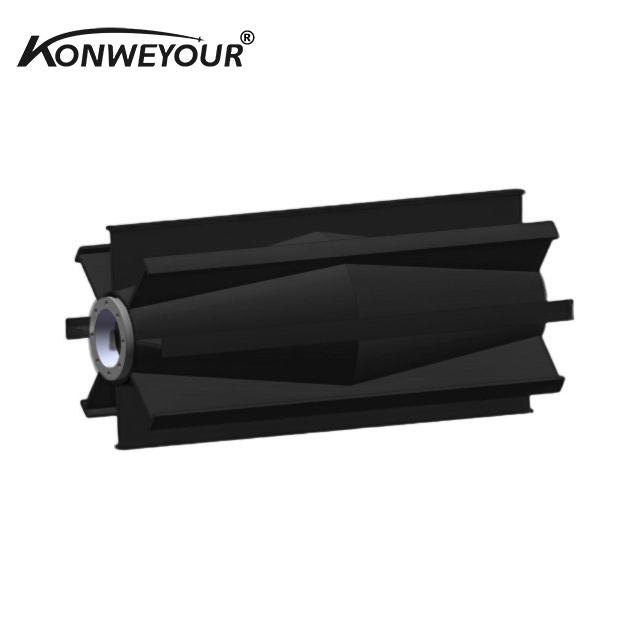
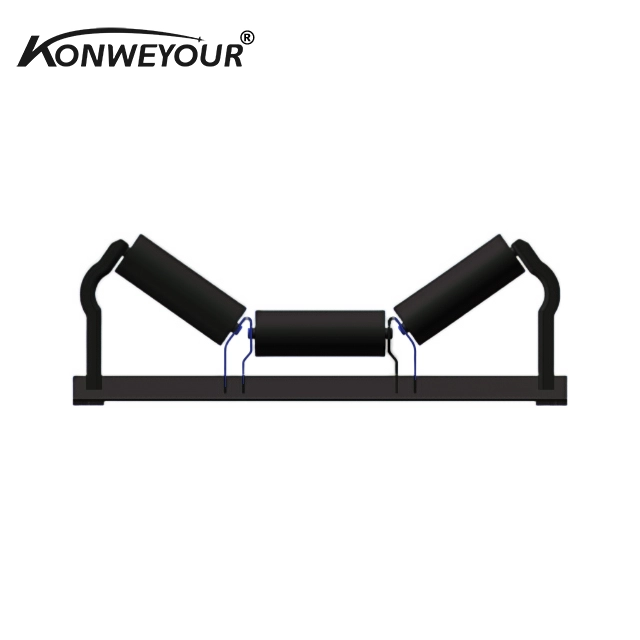
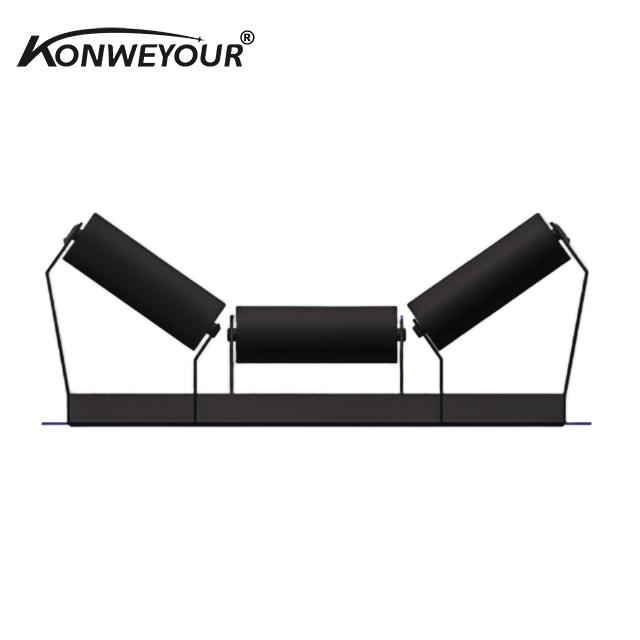
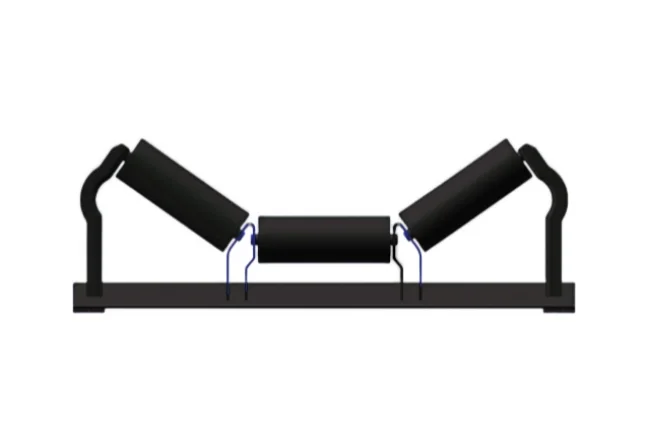
The integrity and performance of a conveyor system are intrinsically linked to the engineering prowess behind its individual components. At the heart of any system is the conveyor belt itself, evolving from basic rubber to advanced multi-ply fabrics (polyester-nylon, aramid) and high-tensile steel cord constructions, each tailored for specific load capacities, distances, and environmental conditions. Fabric belts excel in flexibility and impact resistance, while steel cord belts provide unparalleled strength for long-distance, high-tonnage applications, capable of spanning several kilometers. Idlers, the unsung heroes of smooth operation, are designed in various configurations—troughing idlers to cradle the material, return idlers to support the empty belt, and impact idlers strategically placed at loading points to absorb shocks and protect the belt. Modern idlers feature labyrinth seals and precision bearings to extend lifespan in dusty, corrosive environments, significantly reducing maintenance frequency. Pulleys, particularly drive pulleys, are engineered for optimal torque transmission, often incorporating vulcanized lagging to enhance grip and minimize belt slippage, even under wet conditions. Drive systems, comprising motors, gearboxes, and couplings, are meticulously sized to handle peak loads and provide consistent power, often with redundant configurations to ensure continuous operation. Safety components are equally crucial: pull cord switches, belt misalignment switches, belt rip detectors, and zero speed sensors all form layers of protection, instantly shutting down the system or alerting operators to potential hazards. The selection of materials, from abrasion-resistant steels for chutes and skirtboards to fire-retardant and anti-static compounds for belts, reflects a deep understanding of the extreme demands placed on these systems, ensuring longevity and compliance with stringent mining regulations.
Strategic Selection: A Comparative Analysis of Leading Conveyor System Manufacturers
Choosing the right manufacturer for a coal mine conveyor belt system is a decision with long-term implications for operational efficiency and return on investment. The market features several reputable manufacturers, each bringing distinct strengths in design, technology, and support. A strategic selection process requires a thorough evaluation of various factors beyond initial cost, including material quality, system integration capabilities, safety features, energy efficiency, customization options, and after-sales support. Below is a comparative overview highlighting key differentiators among hypothetical leading providers:
Feature / Manufacturer | Global Conveying Solutions (GCS) | Industrial Belt Tech (IBT) | MineMax Engineering |
Belt Material Quality | Advanced composite materials, proprietary fire-resistant compounds. Exceptional abrasion resistance. | High-tensile steel cord belts, robust fabric plies. Good for heavy-duty, long-haul. | Focus on durability and cost-efficiency. Standard industrial-grade materials. |
System Integration Capabilities | Excellent. Full digital twin modeling, seamless integration with existing mine management systems (SCADA, ERP). | Strong. Offers modular components with well-defined interfaces. Good third-party compatibility. | Fair. Primarily focuses on mechanical integration. Digital integration might require custom work. |
Safety Features & Compliance | Industry-leading. AI-driven anomaly detection, advanced interlocking, MSHA/ATEX compliant. | Robust standard safety packages. Compliant with major industry standards. | Standard safety features. Meets minimum regulatory requirements. |
Energy Efficiency | Highly optimized designs, VFD integration standard, offers energy recovery options. | Good. Efficient motor and gearbox selections. Optional VFDs. | Standard efficiency, potential for optimization with upgrades. |
Customization Options | Extensive. Bespoke design for unique site challenges, modular system architecture. | Moderate to high. Adaptable designs with a range of configurable modules. | Limited. Primarily offers standard product lines with minor modifications. |
After-Sales Support & Service | Global 24/7 support, remote diagnostics, comprehensive training, spare parts readily available. | Strong regional presence, dedicated support teams, good parts availability. | Standard warranty and repair services. Focus on local support. |
This comparison underscores the importance of aligning a manufacturer's strengths with a mine's specific operational needs and long-term strategic goals. While GCS excels in high-tech, integrated solutions, IBT offers robust, reliable systems, and MineMax Engineering provides practical, cost-effective options, demonstrating the diversity available in the market.
Tailored Solutions: Designing Bespoke Systems for Diverse Mining Operations
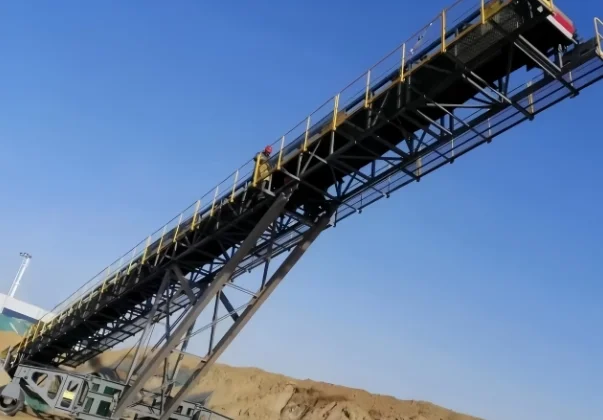
No two coal mines are exactly alike, and consequently, a one-size-fits-all approach to conveyor belt systems is rarely optimal. The most effective solutions are those meticulously designed and engineered to meet the specific geological, topographical, and operational nuances of each individual site. Factors such as the type of coal (bituminous, sub-bituminous, lignite), the mining method (underground longwall, room-and-pillar, open-pit surface mining), the required tonnage and transport distance, and even the local climate conditions, all influence the ultimate system design. For deep underground mines, systems must be compact, robust, and often designed for steep inclines or declines, incorporating features like regenerative braking and fire-resistant materials. Open-pit operations, conversely, demand exceptionally long conveyor runs, high capacities, and resilience against extreme weather, necessitating heavy-duty belts, specialized dust suppression, and robust structural supports. Customization extends beyond the basic belt and motor selection; it encompasses the entire system architecture, including transfer points, chute designs to minimize spillage and dust, specific control logic for integration with other mine equipment, and even modularity for ease of expansion or relocation. Expert engineering consultation involves comprehensive site surveys, detailed material analysis, and advanced simulations to predict system performance under various load conditions. The aim is to deliver a perfectly balanced system that maximizes throughput, minimizes wear, optimizes energy consumption, and provides inherent safety features, all while adhering to budgetary and regulatory constraints. This bespoke approach ensures that the investment yields maximum operational benefits and a prolonged service life.
Real-World Impact: Case Studies in Optimized Coal Transport
The practical application of advanced conveyor technology demonstrates significant improvements across various coal mining scenarios. Consider the case of a large underground bituminous coal mine in Pennsylvania that upgraded its primary trunk line. Facing persistent issues with belt rips, excessive downtime, and high energy consumption from an aging system, the mine implemented a new steel cord belt conveyor system equipped with intelligent belt condition monitoring and variable frequency drives. The result was a remarkable 25% increase in operational uptime, largely attributed to predictive maintenance enabled by real-time sensor data that eliminated unscheduled repairs. Furthermore, the VFDs led to an average 18% reduction in energy costs for the conveyor system, translating into substantial annual savings. In a separate instance, an open-pit lignite mine in Wyoming sought to expand its production capacity while reducing its environmental footprint. By replacing a fleet of haul trucks with a 10 km overland conveyor system, the mine achieved a 30% reduction in carbon emissions associated with material transport. The new system, designed with advanced dust suppression technologies and low-rolling-resistance idlers, also reduced material spillage by over 90%, minimizing environmental contamination and material loss. Maintenance requirements were significantly lowered due to fewer moving parts and integrated lubrication systems, leading to a 40% decrease in maintenance labor hours. These cases underscore that investing in state-of-the-art conveyor belt systems is not merely about replacing old equipment; it is a strategic decision that drives substantial gains in productivity, safety, environmental stewardship, and ultimately, profitability.
Future-Proofing Operations with Next-Generation Coal Mine Conveyor Belt Systems
The evolution of coal mine conveyor belt systems is a continuous journey towards greater efficiency, enhanced safety, and environmental responsibility. Looking ahead, the industry is poised for further transformative innovations driven by the convergence of advanced material science, artificial intelligence, and sustainable engineering practices. We can anticipate the widespread adoption of "smart belts" embedded with miniature sensors and communication devices, providing an unprecedented level of real-time diagnostics and predictive capabilities directly from the belt itself. Digital twins of entire conveyor networks will become standard, allowing operators to simulate various scenarios, optimize performance, and anticipate maintenance needs with pinpoint accuracy before physical deployment. Automation will extend beyond basic control, with AI-driven systems capable of self-optimization, adjusting parameters in response to changing conditions and learning from operational data to continuously improve efficiency. The focus on sustainability will lead to the development of more eco-friendly belt materials, including recyclable composites and biodegradable lubricants, alongside systems designed for even greater energy recovery, particularly on decline conveyors. Furthermore, enhanced safety protocols will leverage advanced robotics for inspections and maintenance in hazardous areas, further minimizing human exposure. These future-forward developments will not only bolster the operational advantages of modern conveyor systems but also ensure that coal mining operations remain competitive, compliant, and critically, safe in an increasingly demanding global landscape. Investing in these sophisticated systems is not just an upgrade; it's a strategic commitment to operational excellence and a sustainable future for the coal industry.
Frequently Asked Questions about Coal Mine Conveyor Belt Systems
Q1: What are the primary types of belts used in coal mine conveyor belt systems?
A1: The primary types include fabric ply belts (e.g., polyester-nylon) for flexibility and impact resistance, and steel cord belts for high-tensile strength, suitable for long-distance and high-capacity applications. Fire-retardant and anti-static properties are common across both types for safety.
Q2: How do coal mine conveyor belt systems ensure safety in hazardous environments?
A2: Safety is ensured through multiple layers: fire-resistant and anti-static belt materials, comprehensive emergency stop systems (pull cords), belt rip detectors, misalignment switches, slip sensors, integrated dust suppression, and increasingly, AI-driven anomaly detection for predictive hazard identification.
Q3: What role does automation play in modern coal mine conveyor belt systems?
A3: Automation provides precise speed control via VFDs, remote monitoring and operation through PLC/SCADA systems, automatic material flow management, and integration with broader mine control systems. This reduces human intervention, enhances efficiency, and improves safety.
Q4: How is maintenance managed to minimize downtime for conveyor belt systems in coal mines?
A4: Modern systems employ predictive maintenance strategies using real-time data from smart sensors (vibration, thermal, acoustic). This allows for scheduled component replacements and repairs before failure occurs, significantly minimizing unscheduled downtime.
Q5: What are the key factors in designing a coal mine conveyor belt system for a new mine?
A5: Key factors include the type of coal, mining method, required throughput capacity, transport distance and elevation changes, environmental conditions (dust, moisture, temperature), regulatory compliance, and budget. A bespoke design is essential for optimal performance.
Q6: How do these systems contribute to operational efficiency in coal mining?
A6: They contribute by enabling continuous, high-volume material transport, reducing labor and trucking costs, minimizing material spillage, optimizing energy consumption through advanced drives, and increasing overall mine throughput and uptime.
Q7: What are the environmental considerations for coal mine conveyor belt systems?
A7: Environmental considerations include minimizing dust emissions through covers and suppression systems, reducing energy consumption to lower carbon footprint, and preventing material spillage. Future trends also focus on recyclable materials and reduced noise pollution.