The Indispensable Role of a Modern Mining Conveyor Belt System in Resource Extraction
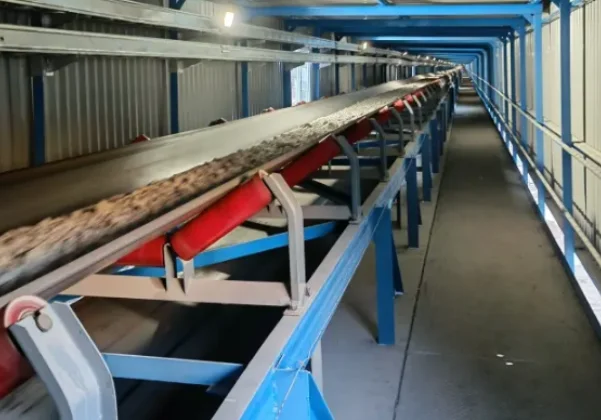
In the demanding realm of global resource extraction, the efficiency and reliability of material handling are paramount. A modern mining conveyor belt system stands as the backbone of productivity, moving vast quantities of raw materials from extraction points to processing facilities or stockpiles with unparalleled speed and consistency. Consider the staggering statistics: globally, bulk material handling in mining operations accounts for upwards of 50-60% of total operational costs in many large-scale open-pit mines. A well-designed, high-performance conveyor system can slash these costs significantly. For instance, studies by industry leaders indicate that upgrading from truck haulage to conveyor systems can reduce energy consumption per ton-mile by up to 70% and decrease labor requirements by over 50% for comparable throughputs over medium to long distances. Furthermore, advancements in conveyor technology have been pivotal in enhancing safety records, dramatically reducing the risks associated with conventional material transport methods. These systems are no longer just about moving material; they are integrated ecosystems of sophisticated engineering, designed to withstand the harshest environments while delivering continuous, high-volume throughput. Their strategic implementation transforms logistical challenges into operational advantages, directly impacting the profitability and sustainability of mining ventures worldwide. The shift towards automated, energy-efficient, and robust conveyor solutions is not merely an option but a strategic imperative for modern mining operations striving for competitive excellence and environmental stewardship.
Unpacking the Technical Edge: Innovations Driving Efficiency
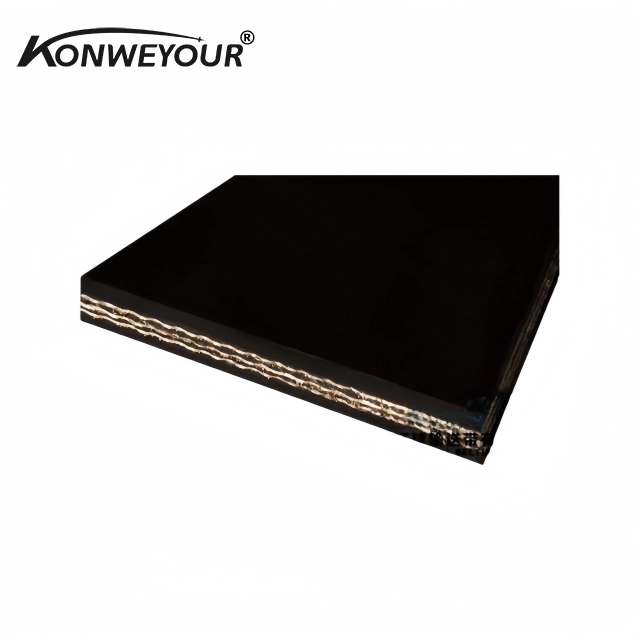
The contemporary mining conveyor belt system is a marvel of engineering, incorporating a suite of innovations designed to maximize throughput, minimize downtime, and reduce operational expenditures. At its core, modern systems leverage advanced materials science, employing belts manufactured from high-strength fabrics, specialized rubber compounds, and steel cord reinforcements that offer superior abrasion resistance, tensile strength, and longevity in abrasive and corrosive environments. This extended lifespan translates directly into reduced replacement frequency and lower maintenance costs. Beyond the physical belt, the intelligence embedded within these systems is transformative. Integrated sensor arrays monitor everything from belt tension and alignment to idler health and material flow rates in real-time. These sensors feed data into sophisticated predictive maintenance algorithms, allowing operators to anticipate potential failures and schedule interventions proactively, thereby averting costly unplanned shutdowns. Energy efficiency is another critical focus, with innovations such as permanent magnet synchronous motors (PMSM) and regenerative drives that can recover energy on downhill sections, delivering substantial power savings – sometimes up to 30% or more compared to traditional induction motors. Automated controls, often integrated with a mine's central SCADA system, optimize belt speed and material loading to match production demands, further enhancing efficiency. Modular designs facilitate quicker installation and easier component replacement, while advanced chute designs and transfer points minimize spillage and dust generation, improving both environmental compliance and worker safety. The synergistic effect of these technical advancements ensures that today's conveyor systems are not just movers of material, but intelligent, resilient, and highly efficient engines of mining productivity.
Navigating the Landscape: A Comparison of Conveyor System Solutions
Choosing the right mining conveyor belt system is a critical decision, influenced by factors such as material type, throughput requirements, terrain, and environmental conditions. The market offers a diverse range of solutions, each with its own advantages and ideal applications. Understanding these differences is key to making an informed investment that aligns with long-term operational goals. Below is a comparative overview of typical system philosophies or specialized offerings you might encounter from leading manufacturers, focusing on key performance indicators and distinguishing features.
Feature/System Type | High-Capacity Heavy-Duty Systems | Flexible & Modular Systems | Integrated Automation Specialists |
Typical Throughput | >10,000 tons/hour; very long distances | 500-5,000 tons/hour; adaptable layouts | Variable, optimized for process integration |
Key Advantage | Maximized volume, lowest cost/ton over distance | Rapid deployment, reconfigurability, reduced civil works | Seamless control, predictive maintenance, energy optimization |
Initial CAPEX | High, due to massive scale and specialized components | Medium, cost-effective for phased expansion | Medium to High, driven by technology and software |
Operational OPEX | Low per ton due to efficiency of scale | Moderate, depends on module lifespan and maintenance needs | Potentially Lowest, due to proactive maintenance & energy savings |
Ideal Applications | Major open-pit mines, cross-country transport, port loading | Underground mines, heap leach, aggregate plants, temporary sites | Anywhere sophisticated control and data integration are paramount |
Customization Level | High (extensive engineering for specific projects) | Moderate (selection from standardized modules) | High (software, sensor integration, process optimization) |
Each system type is meticulously engineered to address specific operational demands. High-capacity heavy-duty systems are the workhorses for massive projects, offering unmatched economies of scale for continuous material flow over long distances. Flexible and modular systems excel in environments requiring adaptability, such as underground mines with changing layouts or projects needing phased expansion. Integrated automation specialists focus on delivering smart solutions where real-time data, remote monitoring, and predictive capabilities are crucial for optimizing complex mining processes. The selection process requires a detailed assessment of project scope, budget, and future growth projections to ensure the chosen system provides optimal performance and long-term value.
Tailoring Excellence: Crafting Bespoke Conveyor Solutions
The notion of a one-size-fits-all mining conveyor belt system is increasingly obsolete. Modern mining operations, with their unique geological challenges, varied material properties, fluctuating production targets, and stringent environmental regulations, demand highly customized solutions. Crafting a bespoke conveyor system involves a meticulous engineering process that considers a multitude of factors, beginning with the intrinsic properties of the material to be transported – its abrasiveness, density, moisture content, and particle size distribution all dictate belt material, idler type, and chute design. The mine layout itself, whether it's an open pit with changing excavation levels, a winding underground tunnel network, or a complex processing plant, profoundly influences system geometry, length, lift requirements, and transfer points. Throughput targets, measured in tons per hour, directly determine belt width, speed, and drive power. Environmental considerations are also paramount; solutions for dust suppression, noise reduction, and energy efficiency are often integrated from the design phase. For example, a mine operating in an arctic climate will require specialized cold-weather components and lubrication systems, whereas a mine in a humid tropical environment might prioritize corrosion resistance and robust sealing against moisture ingress. Safety regulations, specific to regional and national standards, also shape design choices, impacting everything from emergency stop systems to guarding and access points. The customization process typically involves detailed site surveys, advanced 3D modeling and simulation, finite element analysis (FEA) for structural integrity, and a close collaborative effort between the mining company and the conveyor system engineers. This iterative approach ensures that the final system is not only technically sound and compliant but also perfectly aligned with the mine's operational philosophy and economic objectives, delivering optimal performance and maximum return on investment over its lifespan.
Real-World Applications: Conveyor Systems in Action
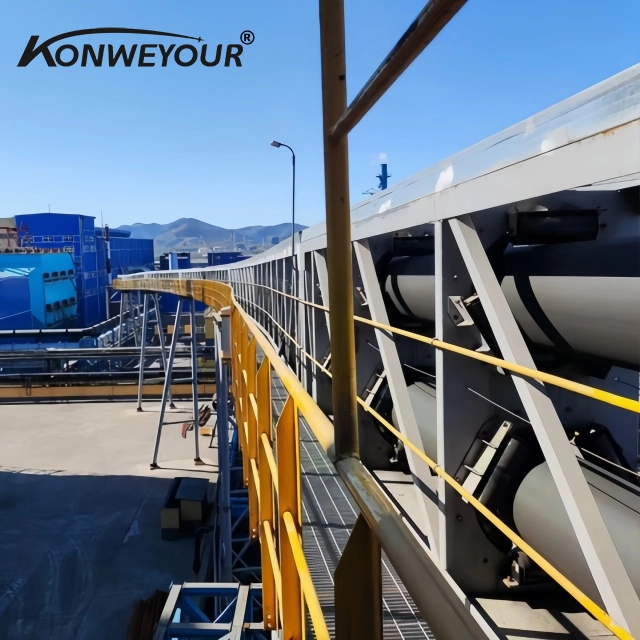
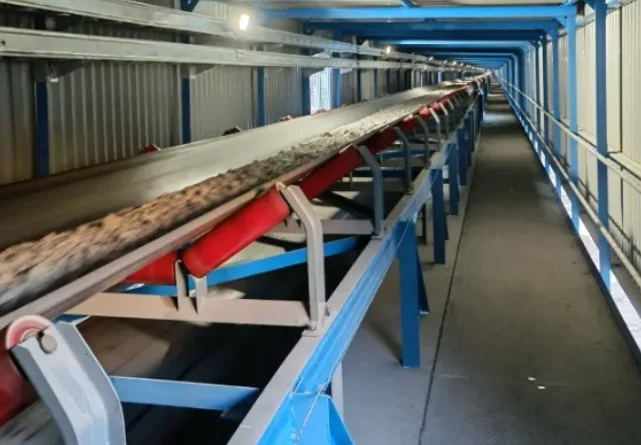
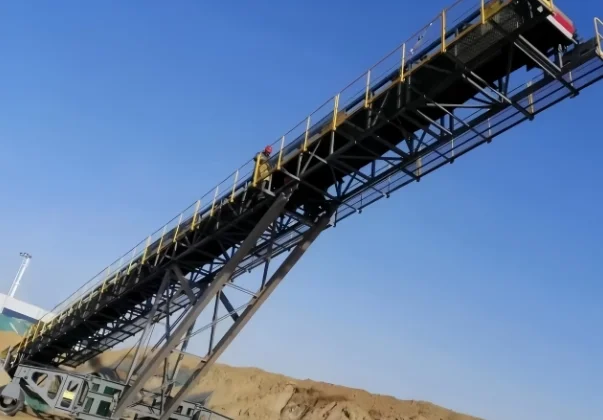
The versatility of mining conveyor belt system technology is best illustrated through its diverse applications across the global mining landscape. In vast open-pit operations, overland conveyors stretch for kilometers, transporting overburden and ore from the mine face directly to crushers or processing plants, bypassing the need for an extensive fleet of haul trucks. A notable example is a copper mine in South America, where a single overland conveyor system, spanning over 10 kilometers, replaced hundreds of trucks, leading to an estimated 40% reduction in fuel consumption and vehicle emissions annually. This not only improved environmental metrics but also significantly lowered operational costs and enhanced safety by reducing traffic density. For underground mines, flexible and extensible conveyor systems are indispensable. They adapt to advancing mine faces, spiraling down into the earth to extract coal, potash, or other minerals efficiently. In these constricted environments, modular designs allow for easy extension or retraction, ensuring continuous material flow without impeding excavation progress. Processing plants, another crucial node in the mining value chain, rely heavily on intricate networks of shorter, interconnected conveyors to move material between crushing stages, grinding mills, flotation cells, and filtering equipment. These systems often incorporate specialized belts, such as cleated or sidewall conveyors, to handle steep inclines or delicate materials. Furthermore, port loading facilities utilize massive conveyor systems to rapidly load bulk carriers with iron ore, coal, or bauxite, optimizing turnaround times and facilitating global trade. One such facility in Australia boasts a system capable of loading a Capesize vessel (up to 180,000 DWT) in less than 24 hours, showcasing the extraordinary capacity and efficiency of modern bulk material handling. These varied applications underscore the adaptability and critical role of conveyor technology in every stage of the mining process, from raw extraction to final shipment.
The Economics of Endurance: Maximizing ROI and Minimizing Downtime
Investing in a high-quality mining conveyor belt system is a strategic financial decision that extends far beyond the initial capital expenditure (CAPEX). The true economic advantage lies in the total cost of ownership (TCO), which encompasses operational expenditure (OPEX), maintenance, energy consumption, and the critical factor of system uptime. A robust and intelligently designed system, though potentially higher in upfront cost, delivers substantial long-term savings. For instance, advanced components such as impact-resistant idlers with sealed-for-life bearings significantly extend maintenance intervals, reducing labor costs and the need for frequent part replacements. Energy-efficient drives and regenerative braking systems translate directly into lower electricity bills, representing a consistent reduction in OPEX over the system's decades-long operational life. The integration of predictive maintenance capabilities, enabled by IoT sensors and AI-driven analytics, is a game-changer. By identifying potential issues before they escalate into failures, mines can transition from reactive, costly repairs to planned, less disruptive interventions. This can lead to a reduction in unplanned downtime by up to 25% or more, directly impacting production targets and revenue streams. For a large-scale mine, every hour of downtime can cost hundreds of thousands of dollars in lost production. Therefore, minimizing these interruptions is paramount. Furthermore, systems built with high-quality, durable materials withstand the harsh mining environment better, resisting abrasion, corrosion, and extreme temperatures, thereby ensuring a longer operational lifespan and delaying the need for costly complete system overhauls. The cumulative effect of reduced energy consumption, optimized maintenance schedules, and maximized operational uptime forms the core of a compelling return on investment, making a well-chosen conveyor system an invaluable asset in the competitive mining industry.
Future-Proofing Operations with an Advanced Mining Conveyor Belt System
As the mining industry continues to evolve, facing increasing pressure for sustainable practices, enhanced safety, and greater efficiency, the role of an advanced mining conveyor belt system becomes even more pronounced. Future-proofing operations means investing in systems that are not only robust and efficient today but also adaptable to tomorrow's challenges and technological advancements. This includes embracing further integration with the Industrial Internet of Things (IIoT), where every component of the conveyor system communicates real-time data for unprecedented levels of monitoring and control. Artificial Intelligence (AI) and machine learning algorithms will move beyond predictive maintenance to prescriptive analytics, suggesting optimal operational parameters and maintenance schedules based on complex data patterns. Automation will expand to include fully autonomous inspection drones for belt lines and robotic maintenance systems, further reducing human exposure to hazardous environments and improving operational precision. Sustainable design principles are also gaining traction, with a focus on modularity for easier upgrades, using recyclable materials, and designing for lower energy consumption and reduced carbon footprint. Furthermore, the development of specialized belt types for extremely abrasive materials or high-temperature applications will continue, pushing the boundaries of what these systems can handle. Choosing a conveyor system provider that demonstrates a clear vision for innovation, offers scalable solutions, and prioritizes data integration and remote operability will be crucial for mines aiming to stay competitive. Ultimately, a strategically implemented, technologically advanced conveyor system is not merely a piece of equipment; it is a critical investment in the long-term productivity, safety, and environmental responsibility of any modern mining operation, ensuring resilience and adaptability in a rapidly changing world.
FAQ: Mining Conveyor Belt Systems
Here are some frequently asked questions regarding mining conveyor belt systems:
1. What is a mining conveyor belt system?
A mining conveyor belt system is an automated mechanical handling system designed to transport bulk materials (like ore, coal, aggregates, or overburden) continuously and efficiently within a mine site, from extraction points to processing facilities, stockpiles, or loading docks.
2. What are the main advantages of using a conveyor belt system in mining?
The primary advantages include significant reductions in operational costs (fuel, labor), increased safety by minimizing human interaction with heavy machinery, continuous high-volume throughput, reduced environmental impact (emissions, noise), and improved overall efficiency compared to traditional truck haulage.
3. How are mining conveyor belt systems typically powered?
They are primarily powered by electric motors (AC induction motors or more recently, permanent magnet synchronous motors - PMSM) connected to gearboxes and drive pulleys. These drives can be single-motor or multi-motor systems, often incorporating variable frequency drives (VFDs) for speed control and energy optimization.
4. What types of materials can a mining conveyor belt system transport?
These systems are designed to transport a wide array of bulk materials, including various types of ore (iron, copper, gold), coal, aggregates (sand, gravel, crushed rock), limestone, bauxite, and overburden, often in extremely abrasive or heavy conditions.
5. What factors influence the design and customization of a mining conveyor belt system?
Key factors include the type and properties of the material (abrasiveness, density), required throughput capacity, conveyor length and elevation changes, environmental conditions (temperature, dust, moisture), available space, safety regulations, and the mine's overall operational goals.
6. How do modern conveyor systems contribute to mine safety?
Modern systems enhance safety through features like emergency stop pull cords, belt misalignment switches, tramp metal detectors, fire suppression systems, and comprehensive guarding. Automation and remote monitoring also reduce the need for personnel in hazardous areas, further mitigating risks.
7. What is predictive maintenance in the context of a mining conveyor belt system?
Predictive maintenance uses sensors (for temperature, vibration, belt condition, etc.) and data analytics to monitor the system's health in real-time, identify potential component failures before they occur, and schedule maintenance proactively. This minimizes unplanned downtime and optimizes resource allocation.