What Is a Filter Belt Conveyor and Why Does It Matter Globally?
In a world where industries increasingly depend on efficient material handling, the filter belt conveyor stands out as a quiet workhorse. If you've never given much thought to conveyors, let me pull back the curtain a bit. At its heart, a filter belt conveyor is a sophisticated tool for separating solids from liquids or for sieving materials on the move. Think of it as an assembly line worker that not only transports but also filters or dewaters simultaneously.
Why does this matter on a global scale? Well, industries from mining to wastewater treatment rely heavily on belt conveyors that filter and dry materials efficiently. With global sustainability goals (yes, those UN Sustainable Development Goals come into play here), machinery that reduces waste and improves processing efficiency is critical. Understanding how filter belt conveyors function unlocks insights into cleaner production, less environmental strain, and operational cost savings.
Mini takeaway: Filter belt conveyors are not just conveyors; they’re filtration partners that help industries meet economic and ecological targets worldwide.
The Global Landscape: Why Filter Belt Conveyors Are Indispensable Today
According to the United Nations Industrial Development Organization (UNIDO), industrial efficiency translates directly to economic growth and lowered environmental footprints. In fact, the global conveyor belt market is expected to grow at a CAGR of around 6% over the next five years, reflecting rising demand for automation and waste reduction technologies.
However, traditional material handling methods often create bottlenecks — waste water, sludge, and fine particulate matter are hard to manage without reliable filtration. Industries such as food processing, mining, and municipal cleaning services face challenges in balancing throughput and product purity. Enter the filter belt conveyor: a technology designed to ease these hurdles by integrating filtration into transport itself, reducing handling time and improving output quality.
For example, in water treatment plants, using filter belt conveyors can dramatically streamline sludge dewatering, which means cheaper and faster waste processing — crucial for cities with rising water contamination concerns.
Mini takeaway: Globally, filter belt conveyors address critical bottlenecks in industrial processing and environmental management by enhancing filtration and material movement in one system.
Defining the Filter Belt Conveyor in Plain Terms
Simply put, a filter belt conveyor is a piece of conveyor equipment fitted with a porous belt—which acts like a giant sieve or filter. As materials move along the belt, liquid passes through the mesh (filtered), while solids stay on top, often being dried or moved along to the next process step. This dual function—transport and filtration—makes it invaluable in contexts where you can't afford to handle solids and liquids separately.
This technology isn’t just industrial fancy; it also aligns with humanitarian efforts. Consider disaster zones where clean water is scarce; mobile filter belt conveyors can support rapid decontamination and supply safe water by separating unwanted solids quickly and efficiently.
Mini takeaway: A filter belt conveyor marries mechanical transport with filtration, supporting both heavy industry and crucial humanitarian tasks.
Core Components and Key Factors Driving Performance
1. Durability of the Filter Belt
Engineers often say the belt material is the linchpin. It needs to withstand abrasive materials, moisture, and chemical exposure without breaking down. Commonly, polyester or stainless steel mesh belts are used, offering both strength and corrosion resistance. I've noticed that in mining operations, belts with reinforced fibers tend to last twice as long as basic nylon options.
2. Scalability and Conveyor Size
Depending on application size—from small waste sorting plants to massive mineral processing units—the conveyor’s length, width, and speed vary. Scalability means it can be customized to fit the workflow without massive overhauls, which is a huge cost saver.
3. Filtration Efficiency
This depends on belt mesh size, speed, and applied pressure. The goal is to catch fine particles without slowing the process down. Advanced systems allow adjustable tension and vacuum-assisted drainage, pushing efficiency even higher.
4. Energy and Cost Efficiency
With rising energy costs worldwide, conveyors that use minimal power while maintaining throughput make a significant difference. Low-friction belt materials, energy recovery drives, and smart automation reduce operational costs further.
5. Maintenance and Ease of Use
No one likes downtime. Filter belt conveyors designed with modular parts and quick-release sections make maintenance less intimidating, keeping production lines humming.
6. Environmental Compatibility
Belts made from recyclable materials or those that support waste minimization ensure that the conveyor's footprint doesn’t offset its operational benefits. This is especially important for companies aiming for ISO 14001 certification related to environmental management.
Typical Filter Belt Conveyor Specifications
| Specification |
Details |
| Belt Width |
500 – 2,500 mm (customizable) |
| Belt Material |
Polyester mesh, stainless steel mesh |
| Max Load Capacity |
Up to 10,000 kg/hr |
| Operating Speed |
0.2 to 2.0 m/s |
| Power Consumption |
1.5 – 5 kW (depends on size) |
| Typical Applications |
Water treatment, food processing, mining, recycling |
How Filter Belt Conveyors Are Applied Around the World
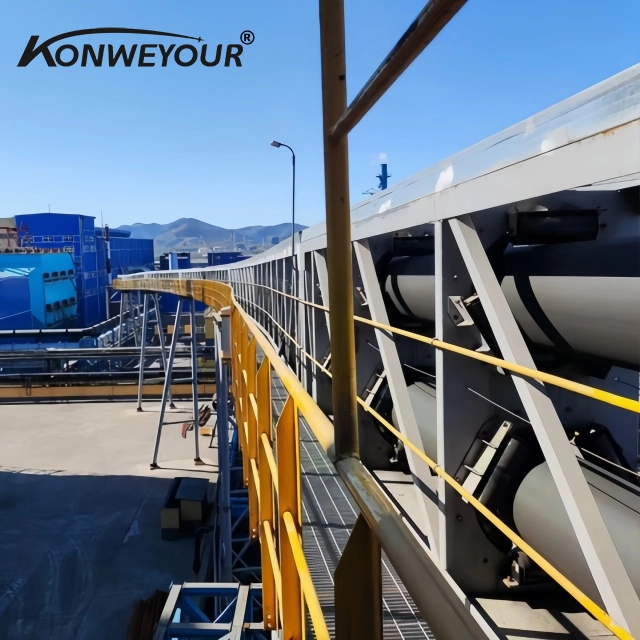
Different sectors adapt filter belt conveyors in unique ways. In Europe and North America, municipalities use them heavily in water treatment plants to dewater sludge. Mining companies in Australia and South Africa utilize these conveyors for ore separation and moisture reduction before smelting.
Oddly enough, in developing countries, NGOs employ mobile filter belt conveyor units for emergency water purification and sanitation after natural disasters. An anecdote from a relief team in the Philippines showed how portable filter conveyors helped clear sediment and debris from water supplies faster than expected — improving community trust and accelerating recovery.
In the food industry—say, processing olives or sugar beets—filter belt conveyors help separate liquid from pulp, improving yield and product quality.
Mini takeaway: Whether it’s a vast mining operation or a temporary emergency setup, filter belt conveyors adapt globally to diverse needs, smoothing supply chains and elevating safety.
The Standout Advantages of Using Filter Belt Conveyors
- Cost Savings: Fewer process steps mean less manual labor and faster throughput.
- Sustainability: By improving filtration on the spot, waste and runoff are minimized, protecting ecosystems.
- Reliability: Durable parts and simple mechanics mean less downtime and longer service life.
- Safety and Dignity: Cleaner production reduces worker exposure to hazardous materials and supports compliance with health regulations.
It feels like when companies invest in this technology, they’re not only buying a machine—they’re investing in a sustainable, trustworthy production future.
Looking Ahead: Innovations and Trends in Filter Belt Conveyors
The conveyor world never quite stops evolving. Frankly, the buzz is around digital integration—think sensors measuring moisture content in real-time, feeding data to AI-driven control systems that optimize belt speed and tension automatically. Green energy is also influencing design, with solar-powered drives and energy-efficient motors becoming more standard.
Material science pushes boundaries too—self-cleaning and anti-microbial conveyor belts are moving from labs into real plants, promising less maintenance and contamination risk, especially for food and pharmaceutical segments. The industry also talks about modular, plug-and-play designs simplifying installation and expanding adaptability.
Challenges Commonly Faced and Practical Solutions
Of course, no technology is without hurdles. Filter belt conveyors can face:
- Filter mesh clogging: Solving this often involves vacuum backing systems or occasional back-flushing.
- Wear and tear: Proper material choice and regular inspections mitigate excessive downtime.
- Initial cost barriers: Leasing options or phased implementation helps smaller companies adopt the tech.
Expert installers often recommend investing in predictive maintenance software, which tracks component wear and lets teams leap in before failures occur. This proactive stance saves lots of headaches over time.
Comparison of Leading Filter Belt Conveyor Vendors
| Vendor |
Key Features |
Industries Served |
Price Range |
Global Reach |
| ConveyTech Solutions |
High durability belts, IoT monitoring |
Mining, Water Treatment |
$$$ |
Global (North America, Asia) |
| GreenFlow Equipment |
Energy-efficient motors, recyclable belts |
Food, Pharma, Waste Recycling |
$$ |
Europe, Australia |
| AquaTech Industries |
Custom modular systems, vacuum assisted drainage |
Municipalities, Disaster Relief NGOs |
$$$ |
Global (focus on Asia & Africa) |
FAQ: Practical Questions About Filter Belt Conveyors
- Q: How does a filter belt conveyor improve water treatment processes?
- A: It combines transportation and filtration by moving sludge or material over a porous belt, allowing liquids to drain out quickly while retaining solids. This speeds up dewatering and reduces the need for multiple machines, lowering costs and space.
- Q: Can filter belt conveyors be customized for different industries?
- A: Absolutely! Belt materials, sizes, and filtration mesh can be tailored to suit applications in mining, food processing, pharmaceuticals, and more, ensuring optimal performance and compliance.
- Q: What maintenance is typically required?
- Routine belt inspections, tension adjustments, and cleaning prevent clogging and wear. Many operators now use predictive maintenance tools to catch issues early, reducing downtime.
- Q: Are filter belt conveyors energy efficient?
- Modern versions incorporate low-friction materials, efficient drive motors, and sometimes solar power integration, minimizing energy footprint while maximizing output.
- Q: Where can I find reliable filter belt conveyor suppliers?
- Several reputable suppliers exist worldwide; check vendors like ConveyTech Solutions or filter belt conveyor specialists who offer customization and global support.
Conclusion: Why Investing in a Filter Belt Conveyor Is a Smart, Forward-Looking Move
Understanding filter belt conveyors opens a window into a machine that does far more than just “move stuff.” It’s a technology at the crossroads of efficiency, environmental stewardship, and operational agility. As industries continue to chase smarter, greener solutions, these conveyors will increasingly play key roles worldwide. Whether your goal is to optimize a production line or support humanitarian missions, embracing filter belt conveyors promises long-term dividends.
So, if you’re curious to explore your options or intrigued to see how this tech can elevate your processes, visit our website for in-depth product details and expert guidance.
References:
1. United Nations Industrial Development Organization (UNIDO): Industrial Efficiency and Development
2. ISO Environmental Management Standards (ISO 14001)
3. Wikipedia: Conveyor Belt Technology and Applications