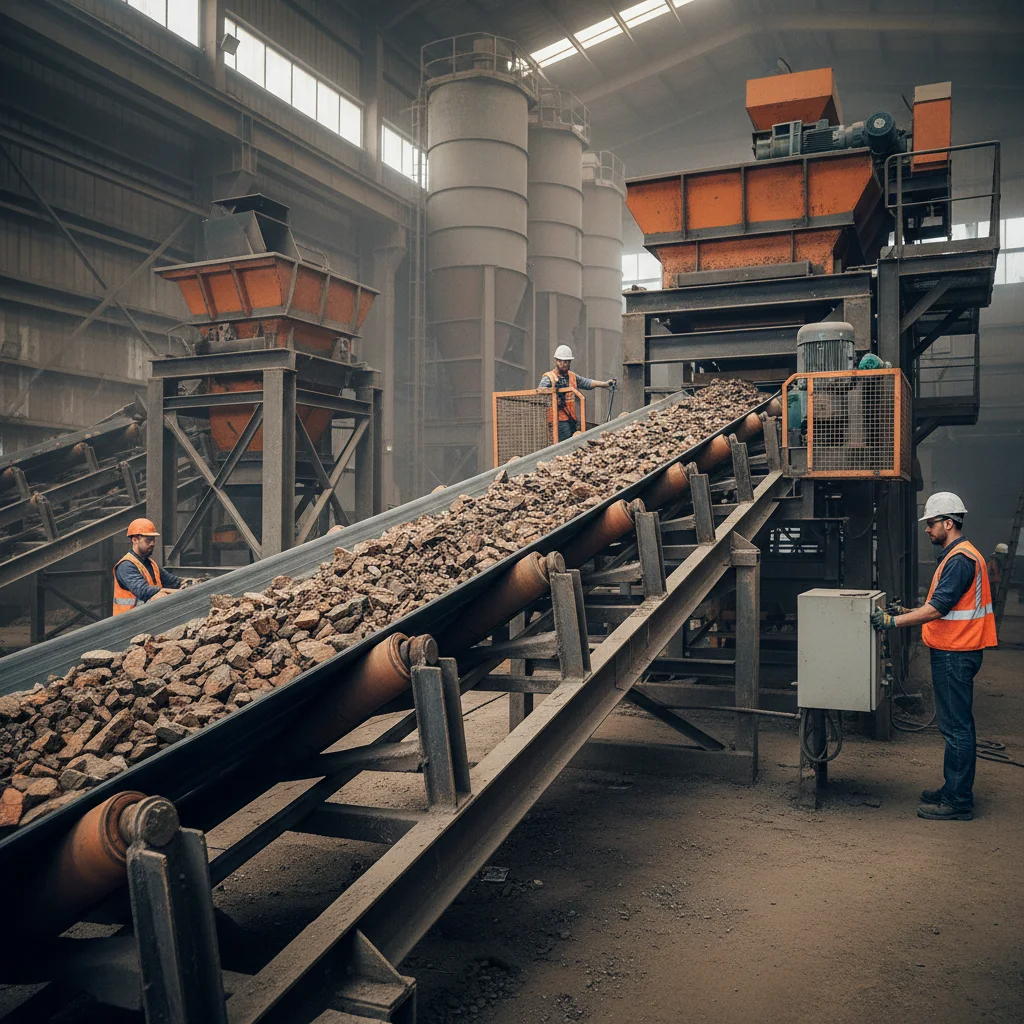
The Crucial Role of Conveyor Belt Components
In the relentless rhythm of modern industry, conveyor systems stand as silent titans, tirelessly moving materials across vast distances and complex production lines. From the smallest manufacturing plant to expansive mining operations, these systems are the arteries through which raw materials and finished goods flow. Yet, the true efficiency, reliability, and safety of any conveyor system hinge not merely on the belt itself, but profoundly on its individual conveyor belt components. These aren't just ancillary parts; they are the bedrock, the unsung heroes that bear the brunt of operational stresses, determine the system's lifespan, and dictate its overall performance metrics. Understanding the intricate engineering and critical function of each component – from robust idlers and precise rollers to durable pulleys, specialized fasteners, and intelligent sensors – is paramount for any industry professional seeking to optimize their material handling processes. An inferior component can trigger a cascade of failures, leading to costly downtime, decreased productivity, and potential safety hazards. Conversely, investing in high-quality, meticulously engineered conveyor belt components ensures seamless operation, significantly extending maintenance cycles, and bolstering the entire operational framework. This deep dive aims to illuminate the indispensable nature of these elements, exploring their technical prowess, economic impact, and the strategic decisions involved in their selection and implementation.
The Unseen Impact: Data-Driven Insights into Component Performance
The economic repercussions of subpar or failing conveyor system parts are far more substantial than often perceived. Industry data consistently underscores this reality: a comprehensive report by the Material Handling Institute (MHI) indicated that unexpected downtime due to equipment failure costs manufacturers an average of $50,000 per hour. Within this alarming statistic, issues stemming from inadequate or worn-out components account for a significant portion. For instance, fatigued bearings in idlers or worn lagging on pulleys can lead to immediate belt misalignment, increased friction, and ultimately, catastrophic belt failure. A 2022 survey among industrial maintenance managers revealed that 35% of all conveyor system failures could be directly attributed to the premature degradation or incorrect specification of non-belt components. This isn't just about replacing a part; it's about the ripple effect: lost production, missed deadlines, wasted labor hours for repair, and potential damage to other expensive machinery.
Consider the cumulative effect: if a system experiences just four hours of unplanned downtime per month due to component issues, that translates to nearly $2.4 million in annual losses for a medium-sized facility. Conversely, data collected from facilities that proactively invest in premium, high-durability components show a remarkable improvement. One prominent logistics firm, after transitioning to advanced polymer rollers and ceramic-lagged pulleys, reported a 27% reduction in unscheduled maintenance events over a two-year period, alongside an estimated 15% decrease in energy consumption due to reduced friction. These tangible figures highlight that the initial investment in superior components is not an expense, but a strategic capital allocation that yields significant long-term returns through enhanced operational continuity, reduced total cost of ownership (TCO), and amplified throughput capacity. The data unequivocally supports the premise that understanding and leveraging the performance metrics of each component is vital for sustainable industrial success.
Engineering Excellence: Unpacking the Technical Advantages of Superior Components
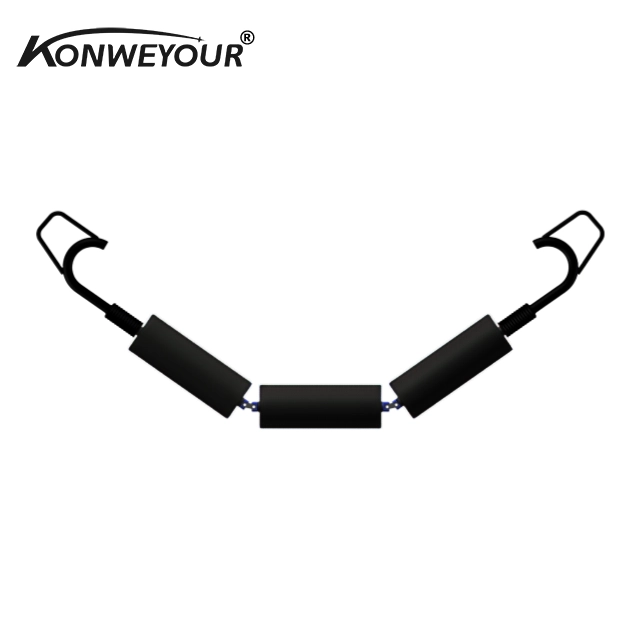
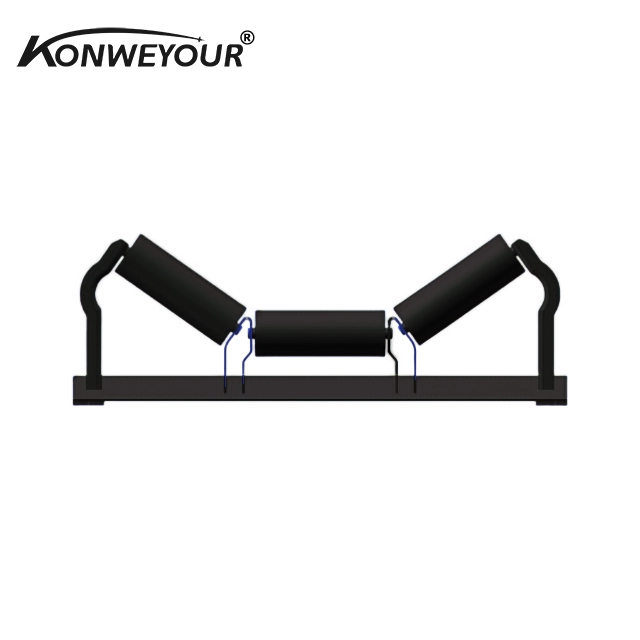
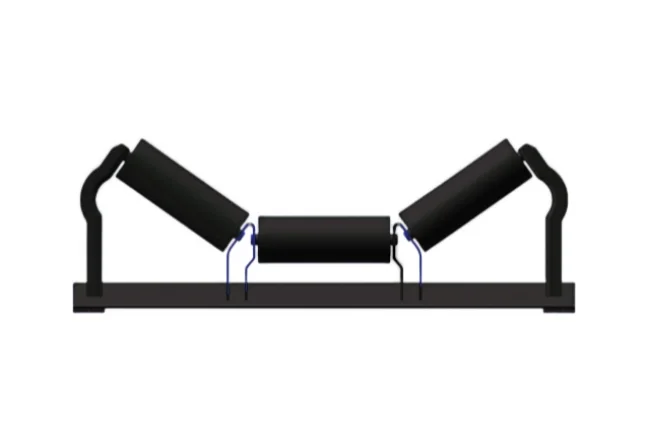
The distinction between an average conveyor system and a high-performance one often lies hidden within the sophisticated engineering of its individual parts. Superior components are not merely manufactured; they are meticulously engineered, pushing the boundaries of material science and mechanical design to withstand the most demanding industrial environments. Take, for example, idlers and rollers: high-quality units feature precision-machined steel shells, often with advanced corrosion-resistant coatings, coupled with sealed, maintenance-free bearings. These bearings, frequently utilizing double-labyrinth seals and specialized lubricants, significantly reduce rotational friction and prevent contaminant ingress, extending operational life by up to 300% compared to standard alternatives. This translates directly to lower energy consumption and substantially reduced replacement frequencies.
Pulleys, another critical element, benefit immensely from advanced engineering. Premium pulleys often incorporate robust shaft designs, engineered for optimal stress distribution, and feature various lagging materials – from natural rubber for general purpose to ceramic lagging for enhanced traction and wear resistance in abrasive conditions. Ceramic lagging, with its exceptional hardness and friction properties, can extend pulley life by 4-5 times in harsh applications, while simultaneously improving belt tracking and reducing slippage, thereby mitigating belt wear. Fasteners, though small, play a colossal role. High-tensile strength alloys, precision-stamped hooks, and durable splice compounds ensure mechanical integrity under immense tension, preventing costly belt rips and tears. Furthermore, sophisticated sensor technologies integrated into advanced components monitor vital parameters such as bearing temperature, belt alignment, and tension in real-time. This predictive maintenance capability allows operators to address potential issues before they escalate into costly failures, transforming reactive repairs into proactive strategic interventions. The culmination of these technical advantages is a system that runs smoother, lasts longer, and demands less intervention, translating into unparalleled operational efficiency and safety.
Choosing Wisely: A Comparative Analysis of Leading Conveyor Component Manufacturers
Navigating the vast landscape of conveyor component manufacturers requires a discerning eye, as the differences in product quality, technical support, and innovation can profoundly impact a system's long-term viability. While many suppliers offer seemingly similar products, a closer look at their engineering philosophy, material sourcing, and commitment to R&D reveals stark contrasts. To illustrate, let's consider a hypothetical comparison of three archetypal manufacturers, each with varying strengths:
Feature/Category | GlobalTec Components (Premium Innovator) | Apex Industrial (Balanced Performer) | Precision Dynamics (Cost-Effective Solution) |
Material Quality & Durability | Superior: Utilizes aerospace-grade alloys, advanced polymers, ceramic composites.
Typical lifespan: 5-10+ years. | Excellent: High-grade steel, resilient rubbers, standard industrial polymers.
Typical lifespan: 3-7 years. | Standard: Commercial-grade materials, suitable for lighter duty.
Typical lifespan: 1-4 years. |
R&D and Innovation | Industry Leader: Focus on predictive maintenance, IoT integration, custom material science.
~10-15% revenue to R&D. | Strong: Consistent product improvements, focus on efficiency gains.
~5-8% revenue to R&D. | Moderate: Focus on cost optimization, incremental improvements.
~1-3% revenue to R&D. |
Product Range & Customization | Extensive: Full range for all industries, highly customizable solutions.
Offers bespoke engineering services. | Broad: Comprehensive standard offerings, some customization available.
Tailored solutions for common applications. | Focused: Standard parts for general applications, limited customization.
Primarily off-the-shelf products. |
After-Sales Support & Warranty | Exceptional: Proactive support, global service network, 5+ year warranties.
Dedicated engineering consultation. | Good: Responsive support, regional service, 2-3 year warranties.
Standard technical assistance. | Basic: Standard support, limited regional coverage, 1-year warranties.
Primarily online resources. |
Typical Price Point (Relative) | Premium | Mid-Range | Economical |
This comparison highlights that the "best" manufacturer isn't universal; it depends on specific application requirements, budget constraints, and long-term strategic goals. While Precision Dynamics might offer an attractive initial cost, its components may require more frequent replacement, leading to higher TCO. GlobalTec Components, with its premium pricing, often delivers unparalleled longevity and efficiency, justifying the investment for critical, high-volume operations. Apex Industrial provides a balanced approach, offering reliable performance at a competitive price. Thorough due diligence, including material specifications, manufacturing processes, and customer testimonials, is crucial to making an informed decision that aligns with operational demands and financial objectives.
Beyond Standard: Crafting Bespoke Conveyor Belt Component Solutions
The notion that one-size-fits-all applies to industrial material handling is a fallacy. Every industry, and indeed every specific application within an industry, presents a unique set of challenges that standard, off-the-shelf components may not adequately address. This is where the power of customization comes into play, transforming a generic conveyor system into a finely tuned, purpose-built machine optimized for peak performance and longevity. Bespoke solutions for conveyor belt components are not just about aesthetics; they are about engineering precision tailored to exact operational parameters.
Consider industries operating in extreme conditions:
· High-Temperature Environments: Found in foundries, glass manufacturing, or steel mills, where temperatures can exceed 200°C. Standard rollers would seize and degrade rapidly. Custom solutions involve specialized high-temperature resistant steels, ceramic bearings, and unique sealing arrangements designed to withstand and dissipate heat effectively.
· Corrosive Atmospheres: Chemical processing plants, salt mines, or fertilizer production facilities expose components to highly corrosive agents. Here, stainless steel, specialized composite materials, or advanced polymer coatings are imperative to prevent rapid degradation and maintain structural integrity.
· Heavy-Duty & Abrasive Applications: Mining, aggregate, and construction industries demand components capable of enduring immense loads, constant impact, and severe abrasion. Custom designs might include thicker steel shells for idlers, reinforced pulley lagging with extra-hard ceramic tiles, or specially formulated impact beds to absorb shocks without compromising the belt or structure.
· Food-Grade & Hygienic Applications: In the food and pharmaceutical sectors, contamination prevention is paramount. Custom components utilize FDA-approved materials like specific grades of stainless steel and food-safe polymers, feature easy-to-clean designs, and often incorporate antimicrobial properties, ensuring compliance with stringent hygiene standards.
· Specialized Geometric Constraints: Some production layouts demand unique component dimensions or configurations that standard parts cannot accommodate. Manufacturers capable of custom fabrication, precise machining, and tailored assembly can design components that fit perfectly into existing, complex infrastructure, optimizing space and improving flow.
Leading manufacturers offer comprehensive engineering consultation services, working closely with clients to analyze operational demands, environmental factors, and throughput requirements. This collaborative approach allows for the selection of optimal materials, precise design modifications, and the integration of specialized features that elevate the system's performance, reduce maintenance liabilities, and ensure compliance with industry-specific regulations. Investing in tailored solutions ensures that every part of the conveyor system is perfectly matched to its task, unlocking unprecedented levels of efficiency and reliability.
Real-World Resilience: Illustrative Applications of Advanced Conveyor Belt Components
The versatility and critical importance of robust conveyor system elements are best exemplified through their diverse applications across various industries, where they provide tailored solutions to specific operational challenges. These case studies underscore how the right component selection directly impacts efficiency, safety, and profitability.
· Mining & Aggregates: In opencast mining, where colossal volumes of abrasive materials like coal, iron ore, and crushed stone are transported, extreme demands are placed on equipment. A large copper mine in Chile faced persistent issues with premature idler failure due to heavy impact and abrasive dust, leading to significant downtime. By implementing idlers fitted with heavy-duty, impact-resistant polymer shells and triple-sealed labyrinth bearings, specifically designed for these harsh conditions, the mine achieved a 40% extension in idler lifespan and a 15% reduction in belt edge damage within one year, translating into millions of dollars saved in maintenance and increased throughput. The robustness of these advanced conveyor belt components was key.
· Logistics & E-commerce Hubs: Modern distribution centers operate at breakneck speeds, handling millions of packages daily. A major e-commerce giant experienced frequent belt mistracking and slippage issues on high-speed sortation lines, causing bottlenecks. The solution involved upgrading to drive pulleys with precision-machined, vulcanized ceramic lagging, which significantly improved friction and tracking stability. Concurrently, installing advanced laser-guided belt alignment rollers ensured consistent belt path. This intervention resulted in a 25% increase in sorting efficiency and a near-elimination of package jams attributed to belt issues, directly boosting parcel delivery capabilities.
· Food Processing & Pharmaceuticals: In environments where hygiene is paramount, such as a major bakery, frequent washdowns and strict sanitation protocols led to rapid corrosion of standard metal components. Switching to components manufactured from FDA-approved, high-grade stainless steel and specialized antimicrobial polymers for rollers and scrapers drastically improved system longevity and sanitation. These custom components resisted bacterial growth and chemical degradation, reducing cleaning times by 18% and ensuring compliance with stringent food safety regulations.
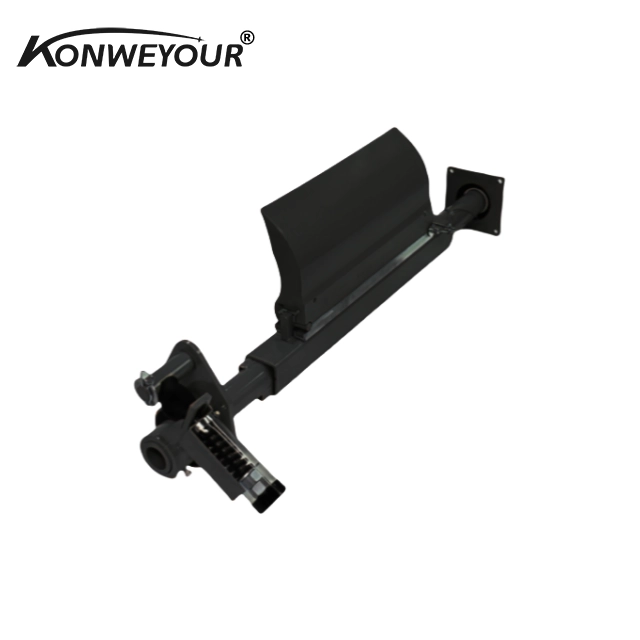
· Power Generation (Coal-Fired Plants): Transporting vast quantities of coal to furnaces presents challenges of weight, dust, and potential fire hazards. A power plant in the Midwest struggled with excessive dust emissions from its conveyor transfer points and frequent spillage. Implementing engineered skirting systems made from highly wear-resistant polyurethane, coupled with self-cleaning return rollers that prevent material buildup, dramatically improved the situation. Dust levels around transfer points were reduced by 30%, improving air quality and safety, while material spillage decreased by 20%, cutting down on cleanup costs and material waste.
· Automotive Assembly: In automotive plants, conveyor systems are often integral to precise assembly processes, requiring smooth, consistent movement. A German automotive manufacturer faced challenges with vibration and noise from worn rollers affecting sensitive assembly tasks. They adopted high-precision, low-noise composite rollers with sealed bearings. This upgrade not only reduced ambient noise levels by 5-7 dB but also minimized vibration transmission, leading to higher quality control in intricate assembly stages and a more comfortable working environment for technicians.
These varied applications powerfully demonstrate that the strategic selection and implementation of high-quality, often customized, conveyor components are not just about maintenance; they are about fundamentally enhancing operational performance, safety, and ultimately, the profitability of industrial enterprises.
Securing Your Future: The Enduring Value of High-Quality Conveyor Belt Components
As we navigate the complexities of industrial operations, the foundational truth remains clear: the performance of any conveyor system is inextricably linked to the integrity and quality of its constituent parts. We’ve delved into the alarming financial implications of component failure, where even minor defects can precipitate millions in annual losses, contrasted with the tangible gains in efficiency and cost reduction achievable through superior engineering. From the precision-engineered materials that grant idlers their longevity and pulleys their grip, to the custom solutions that conquer extreme environmental challenges, the argument for investing in premium conveyor belt components is not merely an operational recommendation – it is a strategic imperative.
The comparative analysis of manufacturers underscored that while initial cost may seem appealing, the total cost of ownership, encompassing maintenance, energy consumption, and lost productivity, invariably favors higher-quality, durable solutions. The diverse real-world applications showcased how industries ranging from mining to food processing have leveraged advanced components to surmount specific obstacles, dramatically improving their operational metrics and competitive edge. Ultimately, the decision to prioritize robust, well-engineered conveyor belt components is a commitment to long-term reliability, enhanced safety, and sustainable profitability. It’s an investment that pays dividends through reduced downtime, optimized throughput, lower energy expenditure, and a significantly extended system lifespan, ensuring that your operations not only run smoothly today but are also resilient and competitive tomorrow.
Frequently Asked Questions about Conveyor Belt Components
Q1: What are the primary types of conveyor belt components?
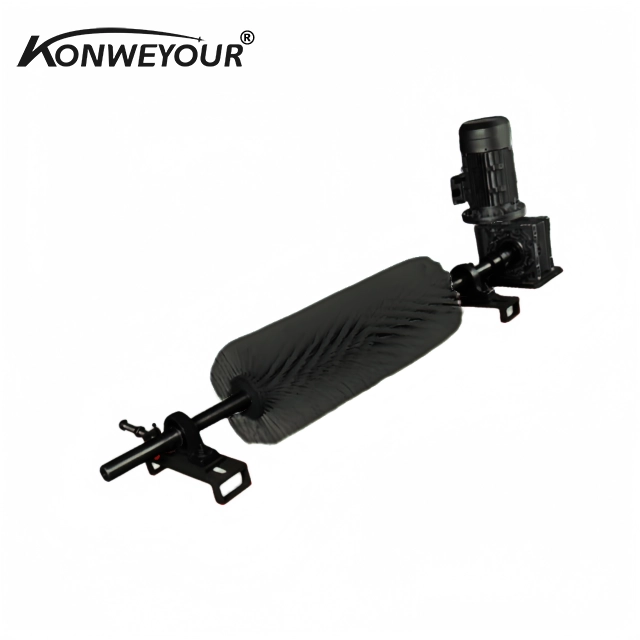
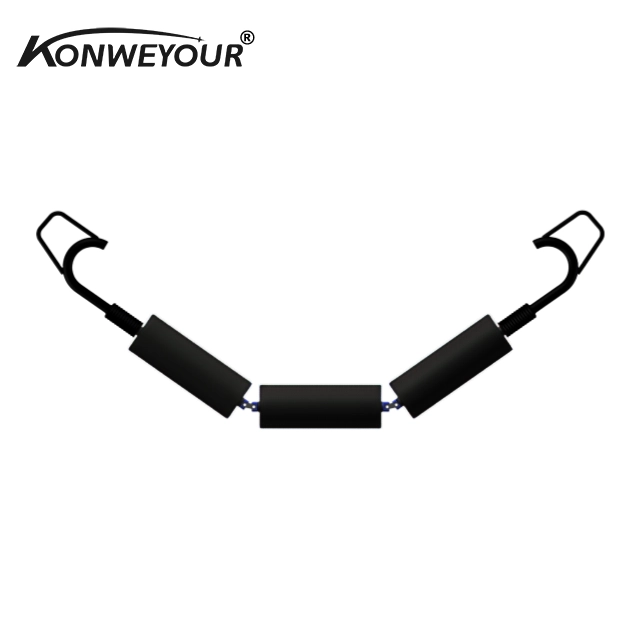
A1: The primary types include idlers (carry, return, impact, training), pulleys (drive, tail, snup, bend), conveyor belting itself, belt cleaners/scrapers, skirting systems, fasteners/splices, bearings, motors, gearboxes, and various safety devices like pull cords and belt misalignment switches.
Q2: How do I choose the right idlers for my conveyor system?
A2: Choosing the right idlers depends on the material being transported (abrasive, heavy, light), the belt speed, environmental conditions (dusty, wet, corrosive, high temperature), and the desired lifespan. Factors like bearing type, shell material, and sealing mechanisms are crucial considerations. Consulting with a specialist is often recommended.
Q3: What is the importance of pulley lagging?
A3: Pulley lagging is a crucial component that enhances traction between the drive pulley and the conveyor belt, reducing slippage and wear on both the belt and pulley. It also helps shed water and fine materials, prevents material buildup, and extends the overall life of the conveyor system. Different lagging materials (rubber, ceramic) are chosen based on application demands.
Q4: How does proper belt fastening impact conveyor system efficiency?
A4: Proper belt fastening is critical for maintaining the structural integrity of the belt. A strong, correctly installed splice or fastener ensures smooth belt travel, prevents premature belt failure, minimizes material spillage, and reduces downtime for repairs, thereby directly contributing to overall system efficiency and safety.
Q5: Can conveyor belt components be customized for specific industrial applications?
A5: Absolutely. Customization is often necessary for challenging environments (e.g., extreme temperatures, corrosive atmospheres, heavy impact loads, strict hygienic requirements) or for unique geometric constraints. Manufacturers can tailor materials, dimensions, and designs of various components to meet precise operational demands.
Q6: What role do sensor technologies play in modern conveyor belt components?
A6: Sensor technologies are increasingly integrated into components to enable predictive maintenance and real-time monitoring. They can track parameters like bearing temperature, belt alignment, tension, and speed, providing early warnings of potential issues. This allows for proactive interventions, preventing costly breakdowns and optimizing system performance.
Q7: What is the average lifespan difference between high-quality and standard conveyor belt components?
A7: The lifespan difference can be substantial. High-quality components, made with superior materials and precision engineering, can last anywhere from 2 to 5 times longer, or even more, than standard components. While initial costs are higher, the extended lifespan, reduced maintenance, and improved reliability often result in a significantly lower total cost of ownership (TCO) over the system's operational life.