
Industrial mine conveyor Solutions for DRC Mining Sector

Industrial mine conveyor Solutions for DRC Mining Sector

High-performance material handling systems engineered for the challenging geological and climatic conditions of the Democratic Republic of the Congo.

Industrial mine conveyor Solutions for DRC Mining Sector

Providing the Democratic Republic of the Congo with world-class conveyor system technology to optimize cobalt, copper, and gold extraction processes.

Current State of Material Handling in DRC

Analyzing the operational challenges of bulk transport in the Congo Basin.

The Democratic Republic of the Congo possesses some of the world's richest mineral deposits, yet the logistics of transporting raw ores remain a significant bottleneck. The prevalence of heavy tropical rainfall and humid environments necessitates a highly durable conveyor system that can resist corrosion and withstand extreme moisture without compromising belt integrity.

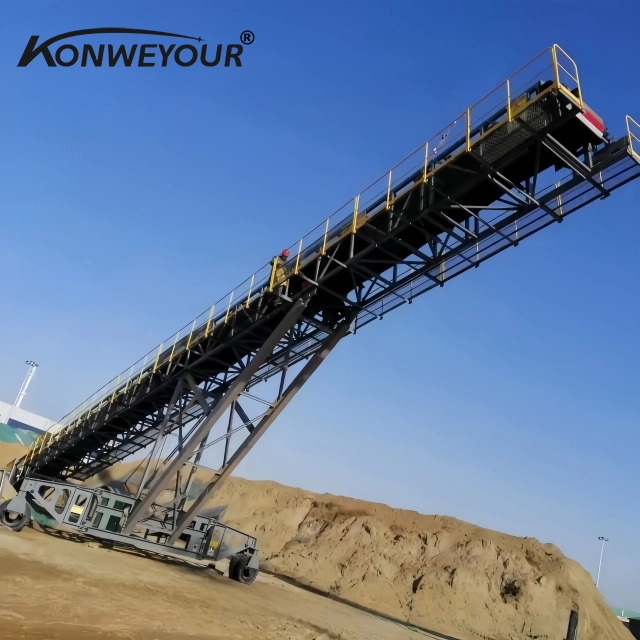
Currently, many mining sites in the Katanga region rely on aging infrastructure. There is an urgent shift toward implementing a more robust mine conveyor setup to reduce reliance on manual hauling and diesel trucks, which are often hindered by the region's poor road infrastructure during the rainy season.

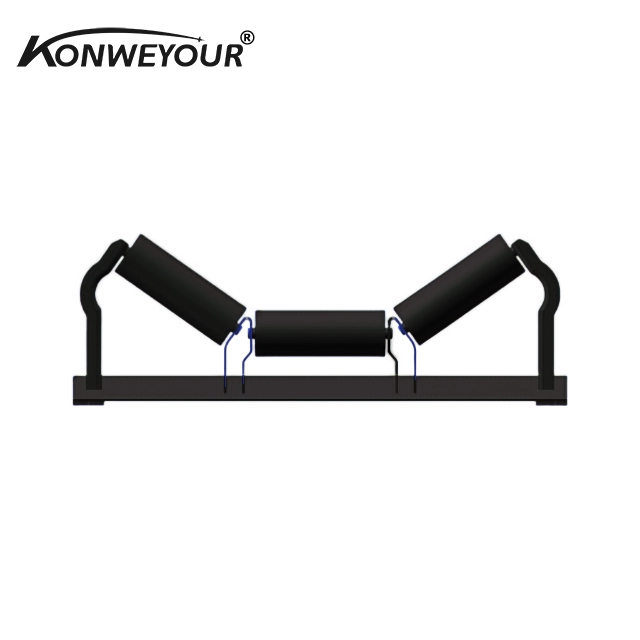
Furthermore, the demand for high-quality conveyor components has surged as operators seek to minimize unplanned downtime. The harsh abrasive nature of Congolese minerals requires specialized rollers and belts that can handle high impact and extreme loads.
Evolution of Conveying Technology in DRC

From basic mechanical belts to integrated automated transport systems.

Market Development History

In the early stages of industrial mining in DRC, simple rubber belt systems were used, primarily for short distances. These systems lacked synchronization and were prone to frequent failures due to the lack of localized maintenance expertise.

Between 2010 and 2020, the industry transitioned toward heavy-duty coal mine conveyor logic—applying the high-volume standards of coal mining to copper and cobalt extraction—introducing steel-cord belts for longer distances and steeper inclines.

Today, the market is entering the era of "Smart Logistics," where conveyor transfer systems are integrated with sensors and PLC controls to monitor belt tension and material flow in real-time, reducing waste and energy consumption.

Future Development Trends

Automated Load Sensing

Implementing AI-driven sensors to automatically adjust belt speed based on ore density, optimizing power usage in remote Congolese sites.

Eco-Friendly Belt Materials

Transitioning to biodegradable or high-recyclability polymers to meet increasing environmental regulations within the African mining sector.

Modular Component Integration

A shift toward standardized conveyor components that allow for rapid "plug-and-play" replacement, minimizing downtime in isolated geographic areas.

Industry Trends & Future Outlook

Predicting the trajectory of bulk material handling in the Democratic Republic of the Congo.

Predictive Maintenance
Using IoT to predict failure in conveyor rollers before they stop production.
Energy Efficiency
Implementing regenerative braking in downhill conveyors to feed power back to the grid.
High-Capacity Flux
Expanding belt widths to handle increased daily ore quotas for global exports.
Climate Resilience
Developing specialized seals to prevent mud and dust ingress in tropical zones.

Industry Outlook

The long-term outlook for the Democratic Republic of the Congo suggests a massive integration of conveyor transfer systems to link open-pit mines directly to processing plants, bypassing unreliable road transport.

Google search trends indicate an increasing interest in "automation in African mining," signaling a move toward fully autonomous material handling. This will drive demand for smart-integrated conveyor systems that can operate with minimal human intervention in remote jungle areas.

Localized Application Scenarios in DRC

Tailored conveyor solutions for the unique mining landscapes of the Congo.

1. Cobalt Ore Extraction in Lualaba

Implementing high-torque conveyor systems to move heavy cobalt ores from pits to washing plants, utilizing reinforced conveyor components to resist abrasive wear.

2. Copper Mining in Haut-Katanga

Deploying long-distance mine conveyor lines to transport copper concentrates across rugged terrain to centralized processing hubs.

3. Gold Mining in Ituri

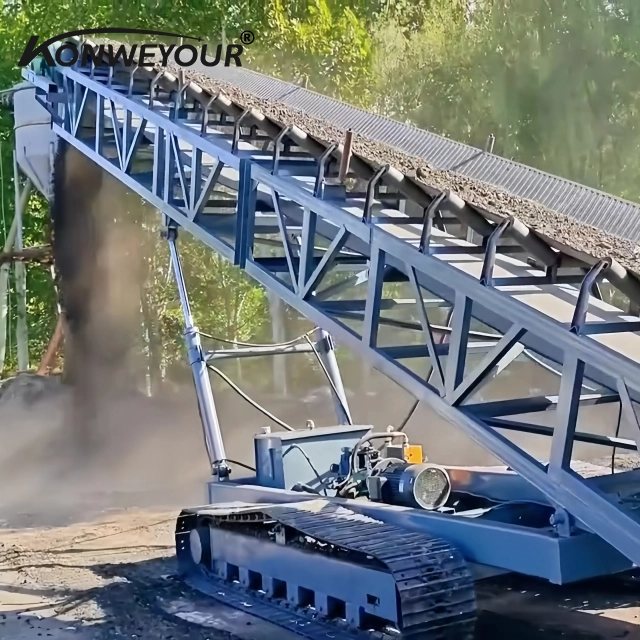
Utilizing modular conveyor system units for alluvial gold mining, allowing for quick relocation as the mining site shifts.

4. Industrial Coal Transport

Applying specialized coal mine conveyor technology for energy-producing plants, ensuring dust suppression and high-volume flow.

5. Inter-Plant Material Transfer

Installing advanced conveyor transfer systems to connect crushing stations with smelting facilities, optimizing the logistics chain.

Brand Story

Global Development Journey of Hebei Juntong Machinery Manufacturing Co., Ltd.

Founding Excellence

Established with a mission to solve the most difficult bulk transport challenges through precision engineering and durable materials.

Technological Breakthroughs

Developed industry-leading belt tensioning systems that reduced energy consumption by 15% for global mining clients.

Global Expansion

Expanded operations into Africa and South America, adapting designs to withstand extreme tropical and desert climates.

Strategic Innovation

Integrated IoT and smart monitoring into our conveyor lines, transitioning from a hardware provider to a solution partner.

The Future Vision

Committed to building the world's most sustainable material handling infrastructure for the next generation of mining.

Complete Material Handling Portfolio for DRC

A comprehensive range of equipment designed to optimize mining efficiency in the Democratic Republic of the Congo.

Frequently Asked Questions in DRC

Expert answers to common technical queries regarding conveyor systems in the Congo.

How to maintain a conveyor system in high-humidity DRC environments?

We recommend using corrosion-resistant coatings on all steel frames and implementing a strict lubrication schedule for rollers to prevent rust and seized components caused by tropical humidity.

What is the best belt material for a mine conveyor transporting cobalt?

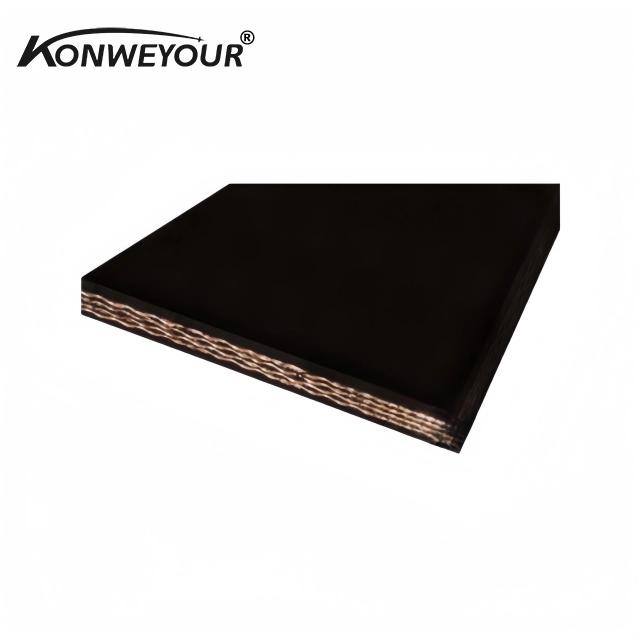
For abrasive cobalt ores, we suggest steel-cord reinforced belts with a high-grade rubber cover to ensure longevity and prevent tearing under heavy loads.

Can coal mine conveyor technology be adapted for copper mining?

Yes, the high-volume throughput logic used in coal mining is highly effective for copper; however, the belt covers must be adjusted for the specific chemical properties and density of copper ore.

How do I choose the right conveyor components for remote sites?

Focus on standardized, modular components that can be replaced without specialized tools, ensuring that your site can maintain operations even with limited local technical support.

What are the benefits of upgraded conveyor transfer systems?

Modern transfer systems reduce material spillage and dust emissions, improving both the environmental impact and the overall efficiency of the mineral transport chain.

What is the average lifespan of a conveyor belt in DRC mines?

Depending on the ore abrasive index and maintenance, our premium belts last 3-5 years, significantly longer than standard industrial belts when properly maintained.

Get Expert Conveyor Consulting

Optimize your mineral transport efficiency today. Our engineers are ready to design custom solutions for your operations in the Democratic Republic of the Congo.

Contact Us Now

If you are interested in our products, you can choose to leave your information here, and we will be in touch with you shortly.

  • captcha