HighEfficiency mine conveyor Solutions for Brazil’s Mining Sector

High-Efficiency mine conveyor Solutions for Brazil's Mining Sector

Engineering robust, high-capacity material handling systems tailored for the demanding geological conditions of South America.

High-Efficiency mine conveyor Solutions for Brazil's Mining Sector

Integrating advanced engineering with local operational needs to optimize the transport of iron ore and minerals across the Brazilian landscape.

Current State of Material Handling in Brazil

Analyzing the operational challenges of heavy-duty transport in South America's largest economy.

Brazil's mining industry is characterized by massive scale and extreme environmental variance. From the iron-rich regions of Minas Gerais to the remote sites in Pará, the demand for a reliable conveyor system is paramount to maintain global supply chain stability.

However, local operations often struggle with high humidity and corrosive tropical climates, which accelerate the wear and tear of conveyor components. This necessitates a shift toward high-grade alloy materials and specialized coatings to prevent premature system failure.

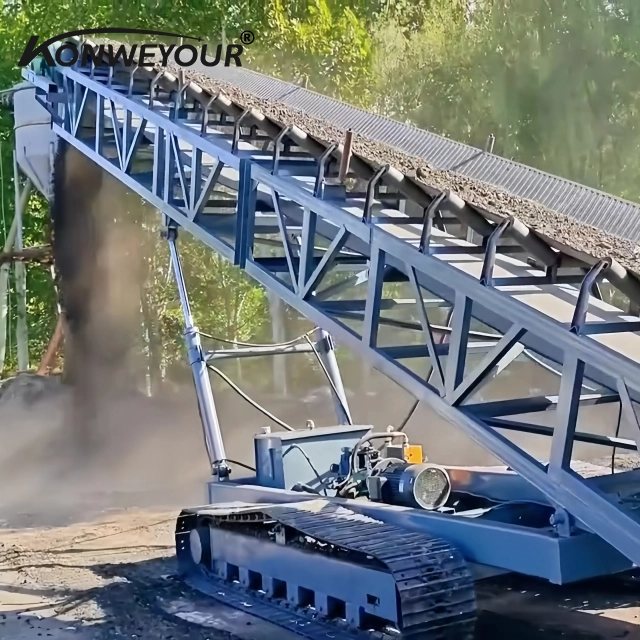
Furthermore, the logistical complexity of moving bulk materials over vast distances has led to an increased reliance on sophisticated conveyor transfer systems that can handle varying inclinations and throughput volumes without compromising safety.
Evolution of Conveying Technology in Brazil

From basic belt transport to intelligent, automated mineral logistics.

Market Development History

In the early 20th century, Brazilian mining relied on rudimentary mechanical belts with limited capacity, primarily focused on short-distance transport from the pit to the primary crusher.

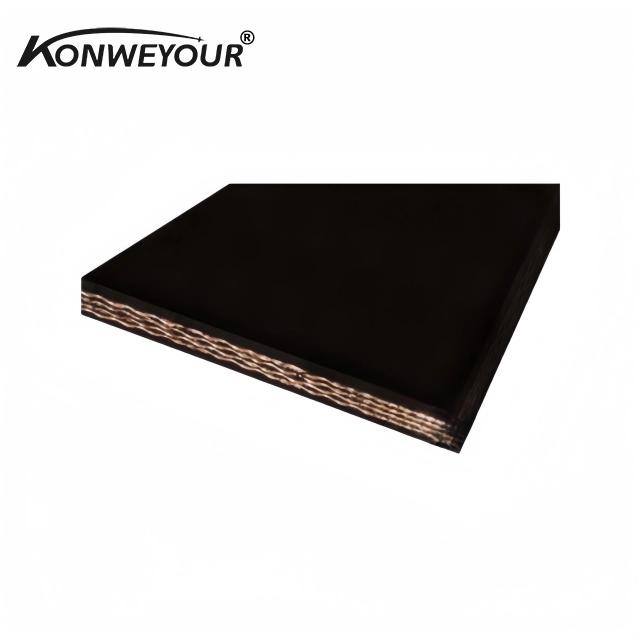
By the 1980s and 90s, the industry transitioned toward heavy-duty steel-cord belts, enabling the creation of the first long-distance coal mine conveyor infrastructures to support energy independence and industrial growth.

Since 2010, the focus has shifted toward "Smart Conveying," integrating IoT sensors and variable frequency drives (VFDs) to monitor belt tension and load distribution in real-time.

Future Development Trends

Autonomous Load Optimization

Integration of AI-driven sensors to adjust belt speed based on real-time tonnage, reducing energy consumption by up to 15%.

Eco-Friendly Belt Materials

Adoption of biodegradable and low-friction polymers to reduce the environmental footprint in the Amazonian regions.

Predictive Maintenance 4.0

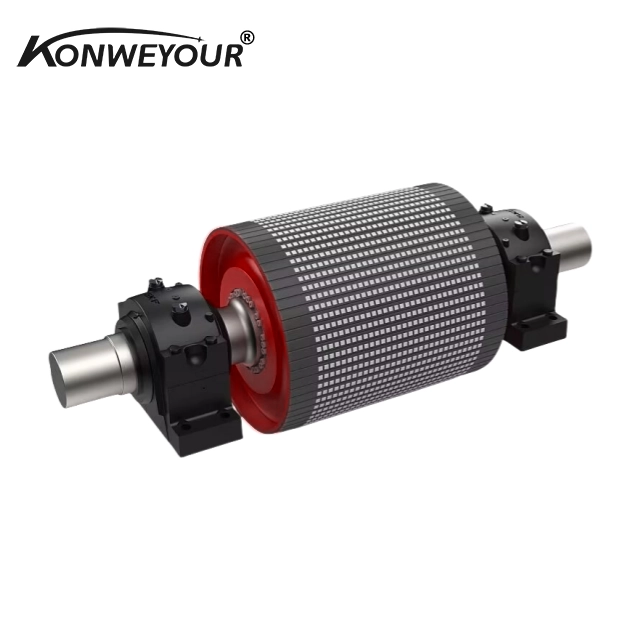
Transitioning from scheduled stops to predictive alerts using vibration analysis on all critical rollers and pulleys.

Industry Trends and Future Outlook

Strategizing for the next era of bulk material handling in the Brazilian market.

Digital Twin Integration
Creating virtual replicas of conveyor lines to simulate stress and optimize throughput before physical installation.
Energy Recovery Systems
Implementing regenerative braking in downhill conveyors to feed electricity back into the mine's power grid.
Modular Componentry
Standardizing parts for rapid replacement, reducing downtime in remote Brazilian sites by 30%.
Advanced Dust Suppression
Implementing dry-fog systems to meet strict Brazilian environmental laws regarding particulate emissions.

Industry Outlook

The Brazilian conveyor market is trending toward complete electrification and decarbonization. Google search trends indicate a surge in "automated mineral transport" and "green mining logistics," suggesting that operators are prioritizing efficiency over raw capacity.

We expect that over the next 5 years, the integration of high-strength synthetic fibers in belts will replace traditional steel cords in specific applications, allowing for lighter systems with equivalent tensile strength.

Localized Application Scenarios in Brazil

Real-world deployments of continuous conveying systems across diverse Brazilian terrains.

01. Iron Ore Extraction in Carajás

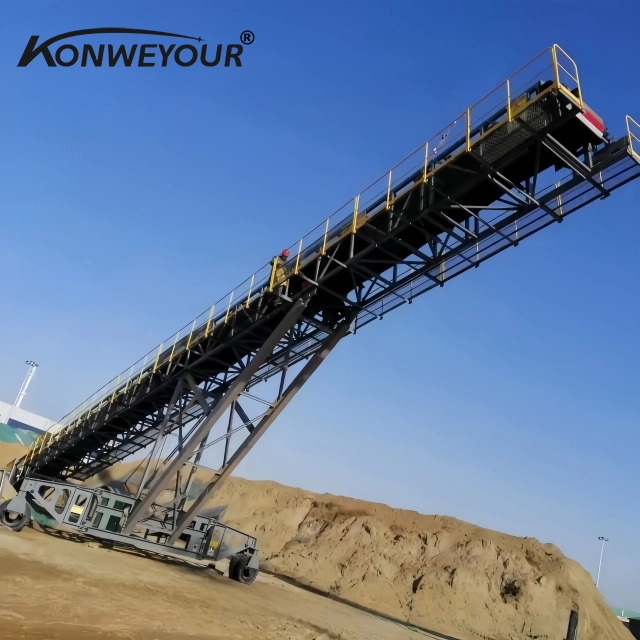
Deployment of ultra-wide, high-tension belts capable of transporting thousands of tons of hematite per hour across mountainous terrain using specialized conveyor transfer systems.

02. Deep-Pit Coal Mining in Southern Brazil

Implementation of heavy-duty coal mine conveyor units designed for high-moisture environments, utilizing corrosion-resistant frames.

03. Bauxite Transport in Pará

Installation of modular conveyor system networks that can be quickly expanded as the mine face advances through the jungle.

04. Port Logistics at Porto de Tubarão

High-speed loading conveyors and tripper systems designed for seamless ship-loading operations and stockpile management.

05. Gold Mining in Minas Gerais

Compact, high-precision conveying lines for the transport of crushed quartz and gold-bearing ore to processing plants.

Brand Story

Global Development Journey of Hebei Juntong Machinery Manufacturing Co., Ltd.

Foundational Engineering

Established with a focus on precision manufacturing, solving the initial pain point of belt slippage in heavy-duty industrial conveyors.

Technological Breakthroughs

Developed proprietary alloy compositions for rollers, significantly increasing the lifespan of components in abrasive mining environments.

Global Market Expansion

Expanded operations into South America, adapting designs to meet the specific humidity and load requirements of the Brazilian market.

Smart Integration Era

Launched the "Intelligent Conveying" series, merging mechanical strength with electronic monitoring for zero-fail operations.

Sustainable Future Mission

Committing to carbon-neutral manufacturing and energy-efficient transport systems to support global green mining initiatives.

Complete Conveying Portfolio for the Brazilian Market

A comprehensive range of equipment designed to withstand the rigors of South American mining.

Mining Conveyor FAQs for Brazil

Expert answers to the most common technical queries from Brazilian mining operators.

How to prevent belt corrosion in high-humidity Brazilian regions?

We utilize specialized galvanized coatings and high-grade stainless steel for all conveyor components to ensure maximum resistance against tropical moisture and oxidation.

What is the optimal belt grade for a heavy-duty mine conveyor?

For Brazilian iron ore, we recommend steel-cord belts with high impact-resistance covers to handle large lump sizes and steep inclines.

Can your conveyor transfer systems handle varying material densities?

Yes, our systems feature adjustable chutes and variable speed drives to maintain consistent flow regardless of the material's bulk density.

What is the typical lead time for replacing conveyor components in Brazil?

By implementing a modular design and regional stocking strategy, we significantly reduce downtime for critical part replacements.

How do I optimize energy consumption for a long-distance conveyor system?

We suggest installing VFDs and low-rolling-resistance idlers, which can reduce energy costs by 10-20% in large-scale operations.

Are your coal mine conveyor designs compliant with Brazilian safety standards?

Absolutely. All our equipment is engineered to exceed NR-12 safety standards, including comprehensive emergency stop systems and guarding.

Ready to Optimize Your Mining Logistics?

Consult with our senior engineers for a customized material handling solution designed specifically for the environmental and industrial requirements of Brazil.

Contact Us Now

If you are interested in our products, you can choose to leave your information here, and we will be in touch with you shortly.

  • captcha