
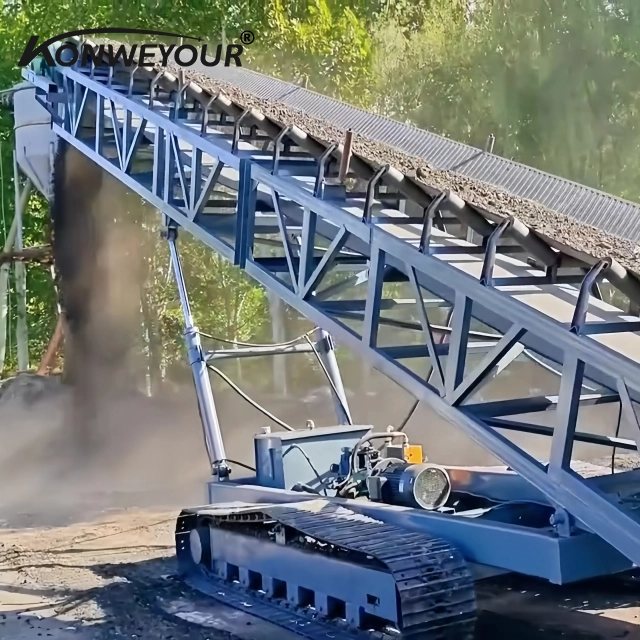
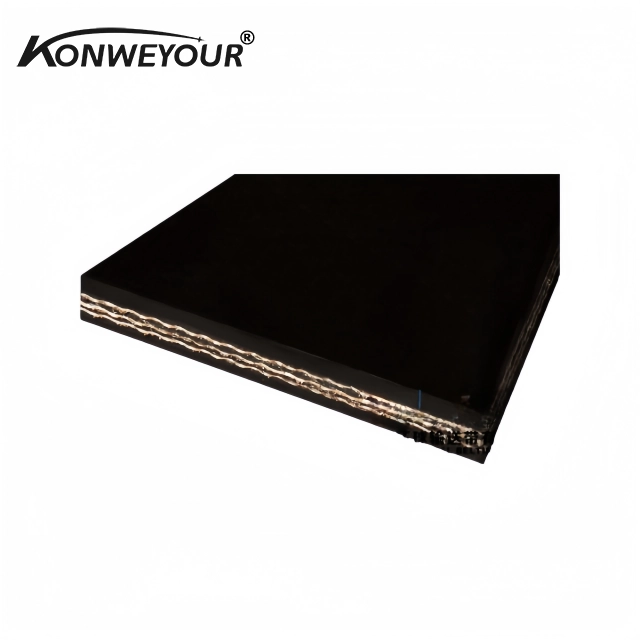
HeavyDuty Mine Conveyor Solutions for Iraq’s Mining Sector

Heavy-Duty Mine Conveyor Solutions for Iraq's Mining Sector

Engineering high-performance material handling systems tailored for the extreme climates and demanding industrial terrains of Iraq.

Heavy-Duty Mine Conveyor Solutions for Iraq's Mining Sector

Providing robust, scalable, and energy-efficient bulk material transport systems designed to optimize productivity in Iraq's most challenging extraction sites.

Current State of Material Handling in Iraq

Analyzing the operational challenges of bulk transport in the Middle East.

The industrial landscape in Iraq is characterized by extreme temperature fluctuations and high dust concentrations, which place severe stress on any conveyor system. Many current sites still rely on aging infrastructure that struggles with the abrasive nature of local ores and minerals, leading to frequent unplanned downtime.

In the sulfur and phosphate mining regions, the corrosive environment accelerates the wear and tear of conveyor components, requiring specialized materials and frequent maintenance cycles to prevent catastrophic belt failures.

Despite these challenges, there is a growing shift toward modernization. The Iraqi mining sector is increasingly seeking automated and high-capacity solutions to replace manual hauling, driving the demand for integrated and durable transport architectures.
Technical Evolution of Conveying Systems

From basic belt transport to intelligent automated logistics.

Market Development History

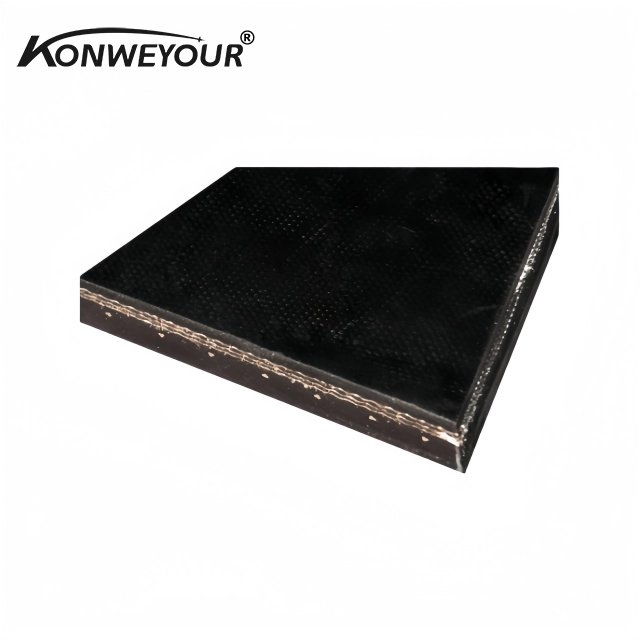
Historically, early mining operations in Iraq utilized simple, short-distance belt conveyors with minimal protection, primarily focusing on raw output without regard for energy efficiency or long-term durability.

By the 2010s, the introduction of reinforced rubber belts and heavy-duty steel frames allowed for the deployment of a more robust coal mine conveyor, enabling deeper extraction and longer transport distances across desert terrains.

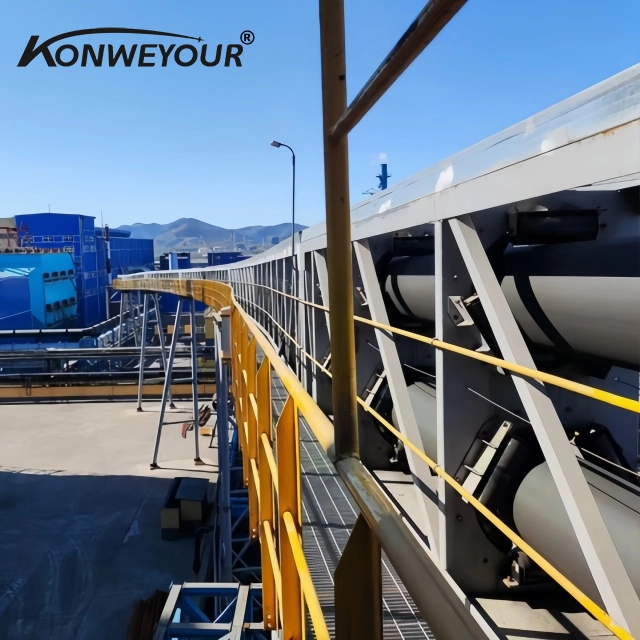
Currently, the market has entered the "Smart Era," where the focus has shifted to conveyor transfer systems that utilize variable frequency drives (VFDs) and real-time monitoring to optimize load distribution and reduce power consumption.

Future Development Trends

IIoT Integration

Implementation of sensor-based predictive maintenance to detect belt misalignment or motor overheating before failure occurs.

Eco-Friendly Materials

Adoption of low-friction, heat-resistant polymers to withstand Iraq's 50°C+ summer peaks while reducing carbon emissions.

High-Capacity Automation

Transition toward fully autonomous loading and unloading cycles to reduce human exposure to hazardous mining environments.

Industry Outlook and Future Perspectives

Strategic directions for the continuous conveying industry in Iraq.

Heat-Resistant Engineering
Designing belts and rollers that maintain structural integrity under extreme solar radiation and high ambient temperatures.
Dust Mitigation Systems
Integrating enclosed galleries and advanced skirting to prevent material loss and protect air quality.
Energy Recovery Units
Implementing regenerative braking in downhill conveyors to feed electricity back into the mine grid.
Modular Scalability
Developing plug-and-play conveyor sections that allow rapid expansion as mining reserves are uncovered.

Industry Outlook

Over the next 3-5 years, Iraq is expected to see a surge in foreign investment in the mining sector, which will inevitably lead to the replacement of traditional truck-and-shovel methods with continuous belt systems to reduce operational costs.

Search trends indicate a rising interest in "automated mineral handling" and "energy-efficient conveyors," suggesting that the market is moving away from low-cost components toward long-lifecycle, high-tech systems.

Localized Application Scenarios in Iraq

Tailored material handling solutions for Iraq's specific geographic and industrial needs.

01. Southern Phosphate Mine Extraction

Deployment of high-tension belt systems to transport raw phosphate from open-pit mines to processing plants, utilizing corrosion-resistant conveyor components to handle chemical volatility.

02. Basra Port Bulk Material Loading

Installation of high-speed conveyor transfer systems for the efficient movement of aggregates and minerals from storage silos directly onto cargo vessels.

03. Western Desert Coal Logistics

Implementation of a heavy-duty coal mine conveyor designed with wind-shielding covers to prevent material loss during high-velocity sandstorms.

04. Industrial Cement Plant Integration

Creating a seamless conveyor system to transport limestone and additives, optimizing the flow between the quarry and the kiln.

05. Sulfur Ore Sorting Facilities

Specialized short-distance conveyors equipped with precise sorting mechanisms and chemical-resistant belts to manage hazardous sulfur compounds.

Brand Story

Global Development History of Hebei Juntong Machinery Manufacturing Co., Ltd.

Foundational Excellence

Established with a focus on precision engineering, we began by solving basic durability issues in material handling for regional industries.

Technological Pivot

We invested heavily in R&D to develop heat-resistant and wear-resistant belt technologies, specifically for the mining sector.

Global Expansion

Expanding our footprint into Asia and the Middle East, adapting our systems to survive the harshest desert environments.

Intelligence Integration

Incorporating IoT and smart sensors into our conveyors to provide clients with real-time operational data and predictive alerts.

Sustainable Future

Our mission today is to reduce the global mining carbon footprint through energy-efficient transport and zero-waste conveyor designs.

Complete Product Portfolio for the Iraqi Market

From individual parts to turnkey transport systems designed for maximum uptime.

Frequently Asked Questions for Iraq Mining

Expert answers to the most common technical queries in the region.

How to prevent belt degradation in high-temperature Iraqi climates?

We use specialized heat-vulcanized rubber and UV-resistant compounds that prevent the belt from becoming brittle or melting under direct sunlight and high ambient heat.

What are the best conveyor components for abrasive phosphate mining?

For abrasive materials, we recommend ceramic lagging for drive pulleys and high-density polyethylene (HDPE) sliders to minimize friction and wear.

Can your conveyor transfer systems handle sudden load surges?

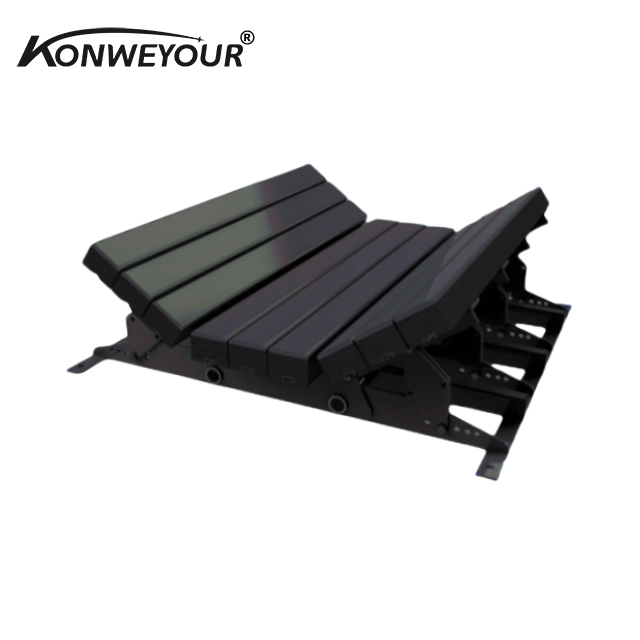
Yes, our transfer systems include impact beds and variable speed controllers to absorb shock loads and ensure smooth material flow during peak extraction.

How do you ensure a coal mine conveyor remains efficient in dusty environments?

We implement sealed bearing housings and automatic belt scrapers that remove dust and debris continuously, preventing build-up on the return rollers.

What is the typical lead time for a custom conveyor system in Iraq?

Depending on the complexity and scale, design and manufacturing typically take 8-12 weeks, followed by expedited shipping to Iraqi ports.

Do you provide on-site installation support for heavy-duty mine conveyors?

Yes, we provide comprehensive technical guidance, including remote engineering support and on-site commissioning teams to ensure optimal system alignment.

Get Expert Engineering Advice

Ready to optimize your material handling efficiency in Iraq? Our engineers are standing by to design your custom solution.

Contact Us Now

If you are interested in our products, you can choose to leave your information here, and we will be in touch with you shortly.

  • captcha