Multi Belt Conveyor Systems: The Backbone of Modern Material Handling
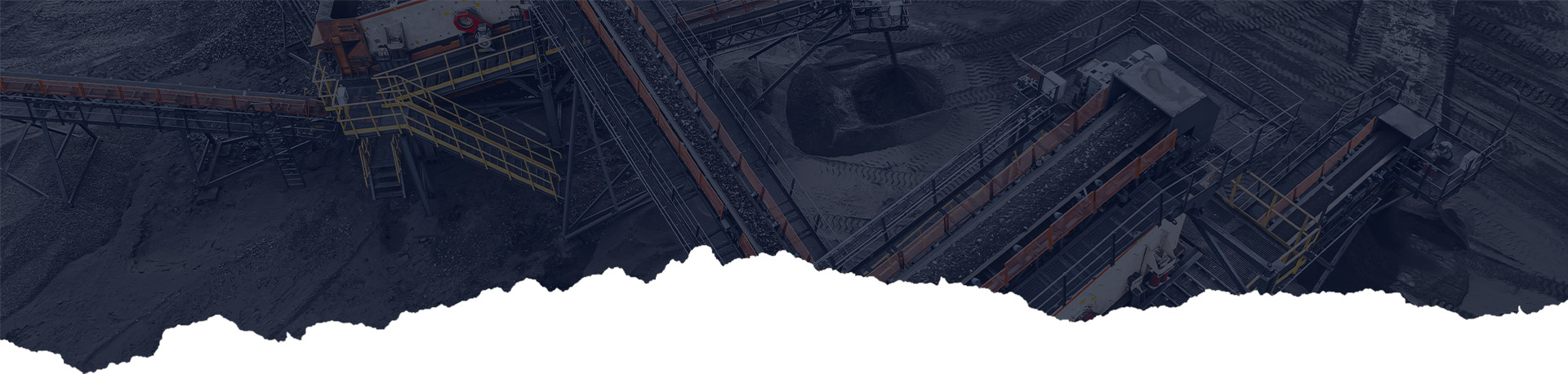
When you think of a conveyor belt, you might picture a single, endless loop shuttling packages along in an Amazon warehouse. But in large-scale industries and complex operations, a multi belt conveyor system takes center stage — offering enhanced capacity, redundancy, and versatility. Global supply chains, mining operations, and ports rely heavily on these multi-belt setups to keep materials flowing smoothly and efficiently.
Understanding how these multi-tiered conveyor systems work and their impact is more than just engineering fascination. They answer a growing global challenge: how to move bulk materials swiftly, safely, and sustainably over long distances with minimal downtime. In this article, I’ll unfold the world of multi belt conveyor solutions, why they matter in today’s interconnected industries, and what the future holds for this quietly indispensable technology.
Why Multi Belt Conveyor Systems Matter Globally
The global economy revolves increasingly around raw materials and goods transported through massive distribution hubs. According to a recent report from the International Organization for Standardization (ISO), conveyor systems, including multi belt configurations, are critical in reducing transportation emissions by optimizing energy use and minimizing heavy vehicle traffic.
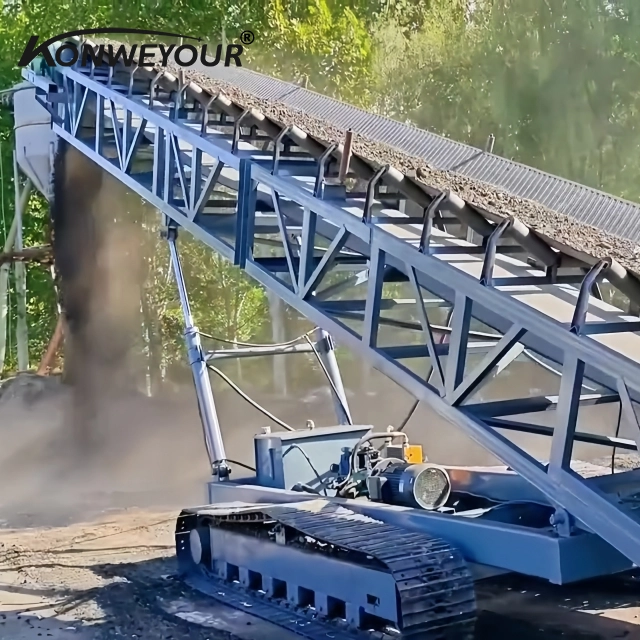
In mining regions of Australia, Canada, and parts of Africa, multi belt conveyors handle hundreds of thousands of tons of ore daily — making these systems vital to both local economies and global supply chains. Oddly enough, even humanitarian efforts benefit. For example, in disaster-struck areas, temporary multi belt conveyors can expedite relief supply movement, offering a level of logistical flexibility that trucks alone often can't match.
Yet challenges remain, such as system complexity, maintenance demands, and adapting to increasingly automated workflows. This makes a good grasp of how multi belt conveyor tech works especially useful for engineers, operations managers, and planners worldwide.
What Exactly Is a Multi Belt Conveyor?
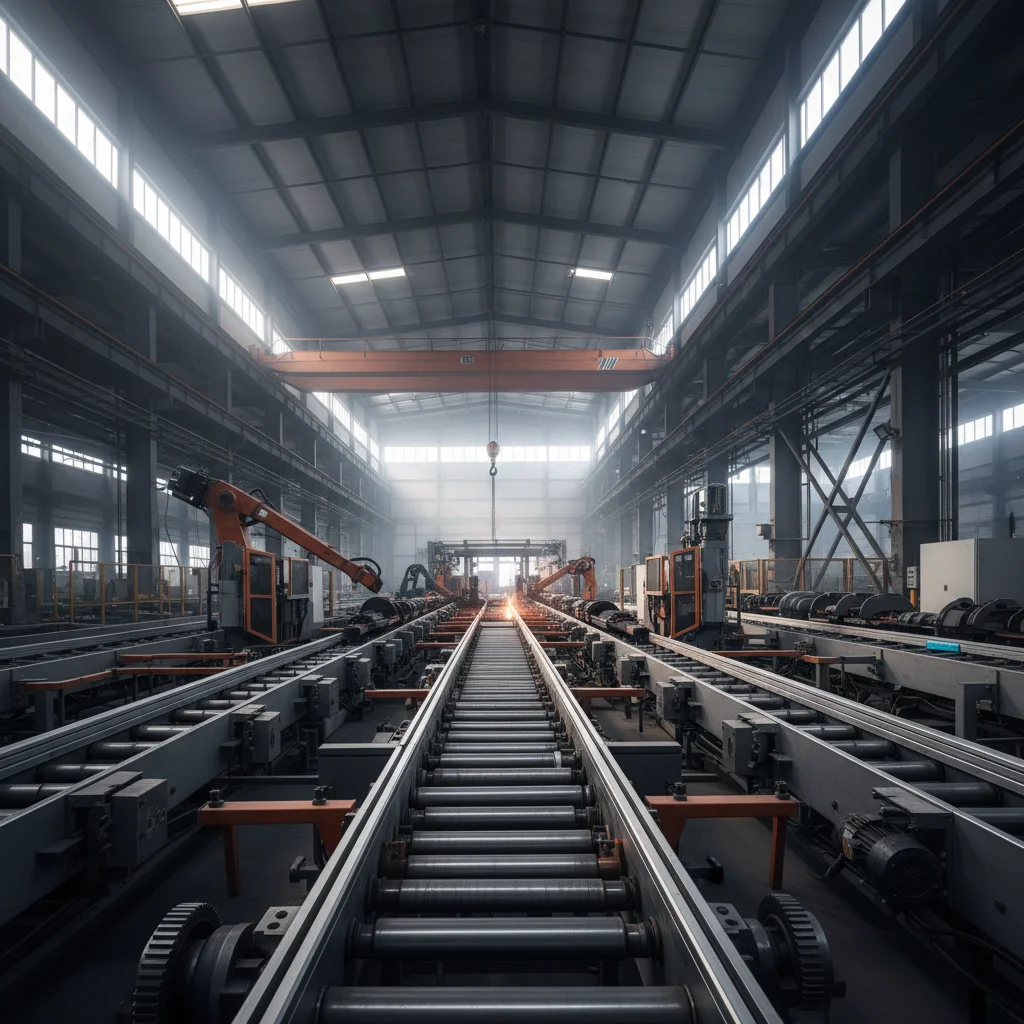
Simply put, a multi belt conveyor consists of two or more conveyor belts operating in parallel or tandem to move bulk materials or products. Think of it like having several conveyor lanes side by side or stacked, each potentially configured for different speeds, feeds, or materials.
Unlike a traditional single-belt conveyor which can be a bit of a bottleneck, multi belt systems increase throughput, offer redundancy if one belt needs servicing, and enable complex sorting or processing along the line. They're especially crucial in industries where reliability and continuous flow cannot be compromised.
So the connection to modern industry? They're the veins and arteries delivering the lifeblood of resources from mines to mills, factories to ports — even boosting humanitarian impact when rapid material handling is critical.
Core Components That Make These Systems Tick
1. Scalability and Modularity
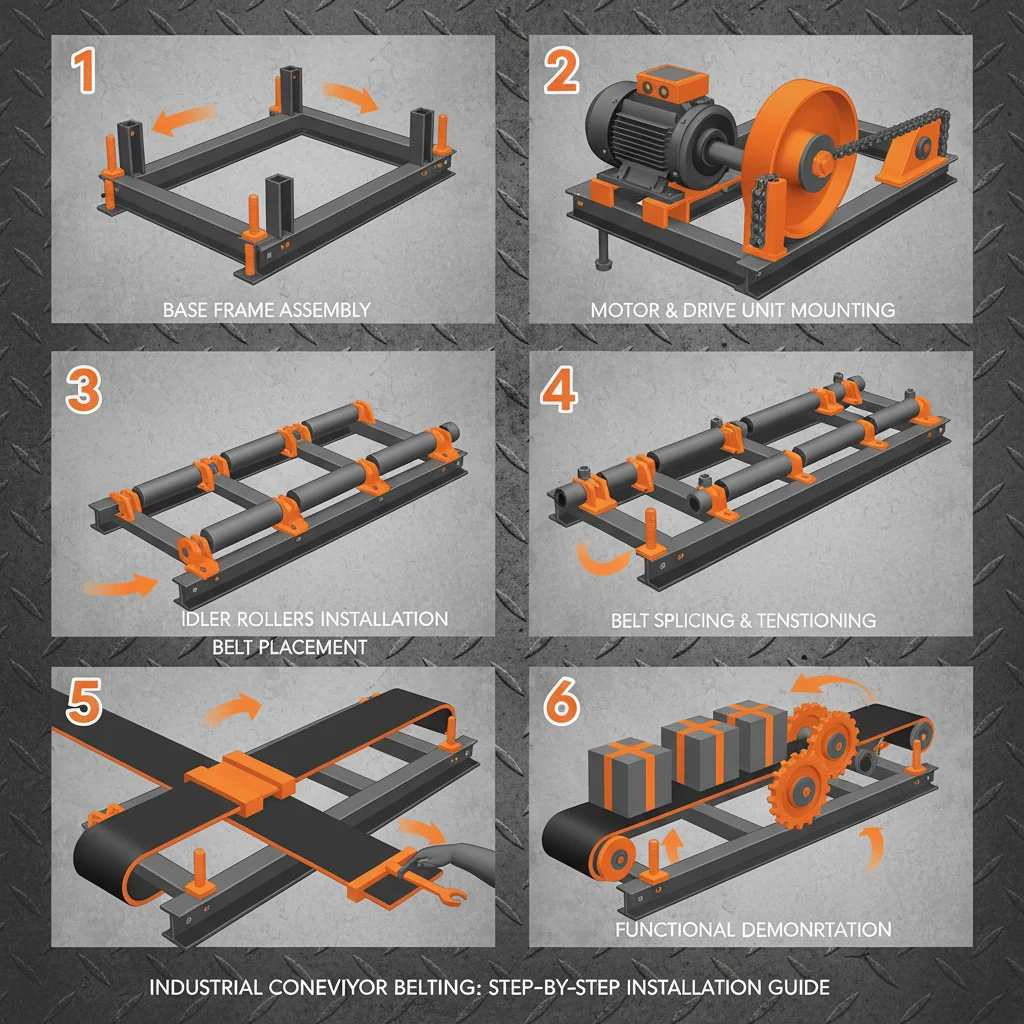
Multi belt conveyors can grow with your needs. You can add belts or lengthen stretches as your throughput requirements evolve. Modularity also enables quicker repair or upgrades, which many engineers find a lifesaver for minimizing downtime.
2. Durability and Material Selection
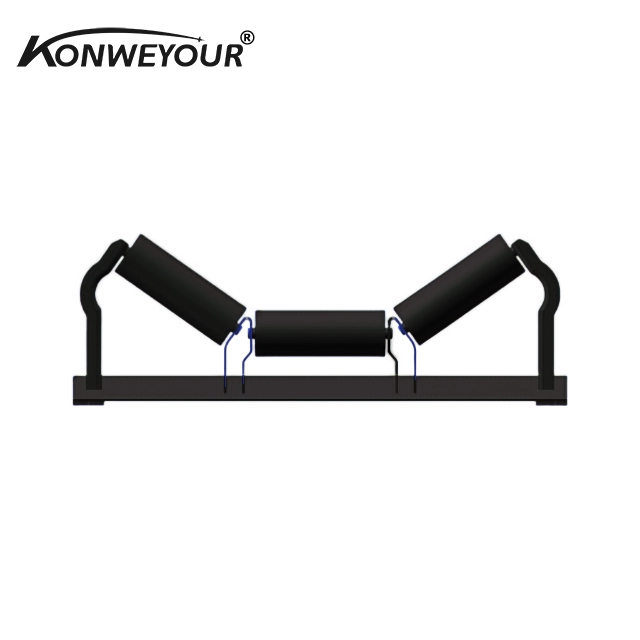
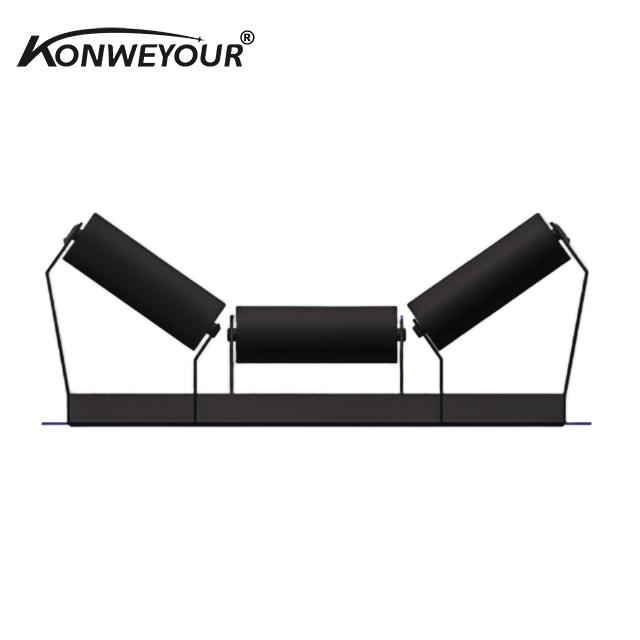
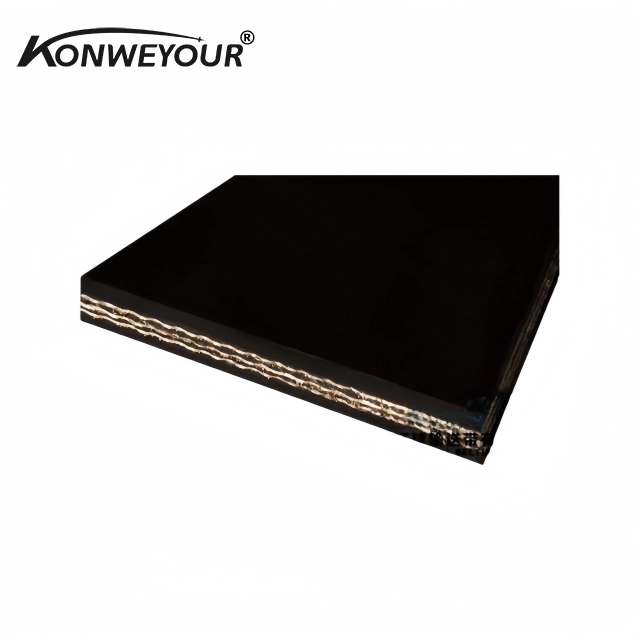
From rubber to PVC belts reinforced with steel or fabric carcasses, durability against abrasion and weather is paramount. Conveyor frameworks typically use corrosion-resistant metals, serving harsh environments like coastal ports or dusty mining sites.
3. Energy Efficiency
Multi belts can be optimized with smart drives and regenerative braking, lowering power consumption. Given conveyors can run 24/7, this energy management directly cuts operational costs and environmental footprints.
4. Automation and Control Systems
Modern multi belt conveyors integrate sensors, PLC controls, and sometimes AI-based monitoring to adjust belt speeds, detect jams early, and coordinate cross belts. This reduces labor needs and improves safety.
5. Safety Features
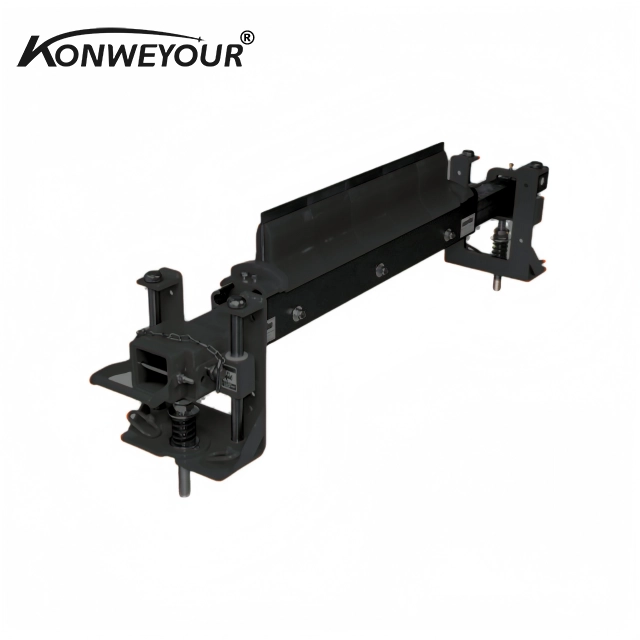
Emergency stop pull cords, guards, and sophisticated warning systems protect workers. Considering these conveyors often operate in complex industrial settings, safety can never be underestimated.
Mini takeaway:
Multi belt conveyor systems blend robust engineering with smart control and adaptability — essential qualities for tackling the global demand for efficient bulk material transport.
Global Applications and Real-World Use Cases
Multi belt conveyors are everywhere you might expect — and surprisingly, in a few places you wouldn’t. Here’s a quick rundown that I’ve found particularly telling:
- Mining Industry: Massive ore transport in Australia’s iron-rich Pilbara region heavily relies on multi belt conveyors extending over tens of kilometers.
- Ports & Shipping: Container yards at Rotterdam and Singapore use parallel belts to speed up loading/unloading operations, cutting turnaround times.
- Recycling Facilities: Differentiated belts running specific waste streams enable faster sorting in circular economy setups.
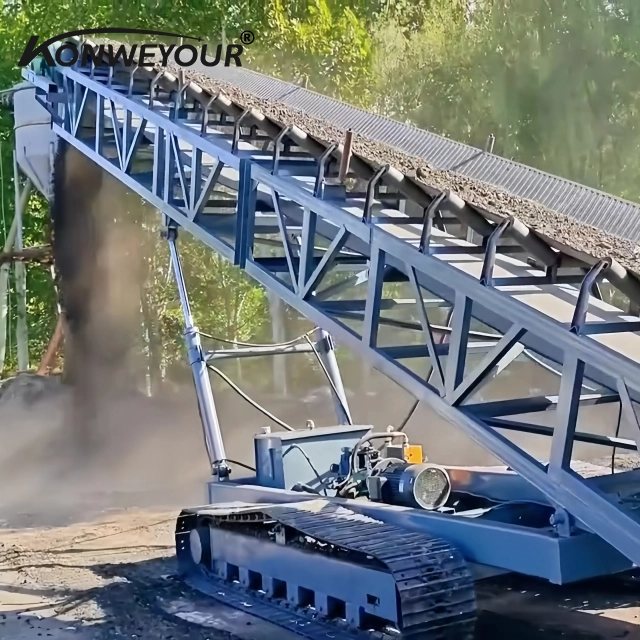
- Disaster Relief: Portable multi belt conveyors help humanitarian agencies quickly unload aid materials in areas where roads might be damaged or insufficient.
- Food & Agriculture: Multi belts gently transport bulk agricultural produce and processed goods with minimal damage and spoilage, preserving quality during transit.
Regions in Southeast Asia and Africa are increasingly adopting multi belt conveyor solutions for infrastructural projects, showing that emerging markets have an appetite for this technology as well.
Mini takeaway:
Multi belt conveyor solutions are a versatile fit for many industries worldwide, tackling unique local challenges while boosting productivity.
Typical Specifications of a Multi Belt Conveyor
| Specification |
Typical Range |
Remarks |
| Number of Belts |
2 - 6 belts |
Depends on throughput and layout |
| Belt Width |
500 mm – 2000 mm |
Varies with material type |
| Belt Speed |
0.5 – 3 m/s |
Adjustable for flow control |
| Load Capacity |
Up to 2000 kg/m |
Depends on belt type and motor |
| Drive Type |
Electric motor / Variable frequency drive |
For precise speed control |
| Frame Material |
Galvanized steel / Stainless steel |
Corrosion-resistant options |
Comparing Top Multi Belt Conveyor Vendors
| Vendor |
Customization Level |
Typical Delivery Time |
Global Presence |
Notable Clients |
| JT Conveyor Corp. |
High - Modular designs |
8-12 weeks |
North America, Asia |
Rio Tinto, Nestlé |
| Global Convey Solutions |
Medium - Standard configs |
6-10 weeks |
Europe, Africa |
Anglo American, DHL |
| PackTrans Global |
Low - Off-the-shelf units |
4-6 weeks |
Global |
FedEx, Maersk |
Long-Term Benefits of Multi Belt Conveyors
What pulls me in about multi belt conveyor systems (beyond the industrial poetry) is their enduring value:
- Cost Efficiency: Fewer disruptions and higher throughput reduce operational costs over time.
- Environmental Impact: Lower energy consumption and less reliance on truck haulage lower carbon footprints.
- Reliability and Safety: Redundancies prevent costly downtimes and accidents.
- Social Value: By sustaining supply chains, these systems indirectly support jobs, communities, and even emergency responses.
What’s Next? Future Trends in Multi Belt Conveyor Technology
Looking ahead, several trends are reshaping multi belt conveyors:
- Digital Twins: Virtual models that simulate real-time conveyor operations for predictive maintenance.
- Eco-friendly Materials: Belts made from recycled or biodegradable components are slowly finding their way into mainstream use.
- Energy Regeneration: Capturing braking and kinetic energy to feed power back into the grid.
- Automation & AI: Advanced sensors and self-learning algorithms adjust speeds and perform quality checks without human input.
Common Challenges and How to Tackle Them
Of course, it’s not all sunshine and smooth belts. Challenges include:
- Maintenance Complexity: Multi belt systems can be trickier to service. Scheduled predictive maintenance with digital tools helps a lot.
- Initial Investment: The upfront cost can be high, though ROI is impressive if planned well.
- Space Requirements: Complex systems may require significant facility redesign.
Innovative engineering approaches, like modular designs and plug-and-play parts, are helping mitigate these issues.
Frequently Asked Questions About Multi Belt Conveyors
- Q1: How does a multi belt conveyor improve throughput compared to a single belt?
- A multi belt conveyor distributes material load across several belts, allowing simultaneous transport and reducing the risk of overload or bottlenecks. This setup supports continuous operations even if one belt requires maintenance.
- Q2: Can multi belt conveyors handle different materials simultaneously?
- Yes. Segregated belts in a multi belt system enable the transport of different materials side-by-side without contamination, commonly used in recycling or food processing industries.
- Q3: What maintenance practices are best to keep a multi belt conveyor running reliably?
- Regular inspections, timely lubrication, monitoring belt wear, and employing sensor-based predictive maintenance are key to avoiding unexpected downtimes.
- Q4: How customizable are these conveyors for specific industry needs?
- Highly customizable. Vendors like JT Conveyor often offer modular designs allowing tailored belt widths, speeds, and materials to fit unique operational needs.
Final Thoughts & Next Steps
Frankly, the multi belt conveyor might not be a flashy tech trend you read about on daily news, but its role in sustaining industries and humanitarian efforts worldwide is profound. When you combine durability, scalability, and automation, you get a solution that’s all about dependable, sustainable movement — which is exactly what our global infrastructure demands.
If your operation needs a boost in material handling efficiency, I’d recommend checking out more details on multi belt conveyor options — JT Conveyor is a great place to start exploring tailored solutions.
References
- ISO Standards on Conveyor Systems
- Wikipedia: Conveyor System
- UN Environmental Energy Data