Impact Roller With Rubber Rings — field notes from the belt line
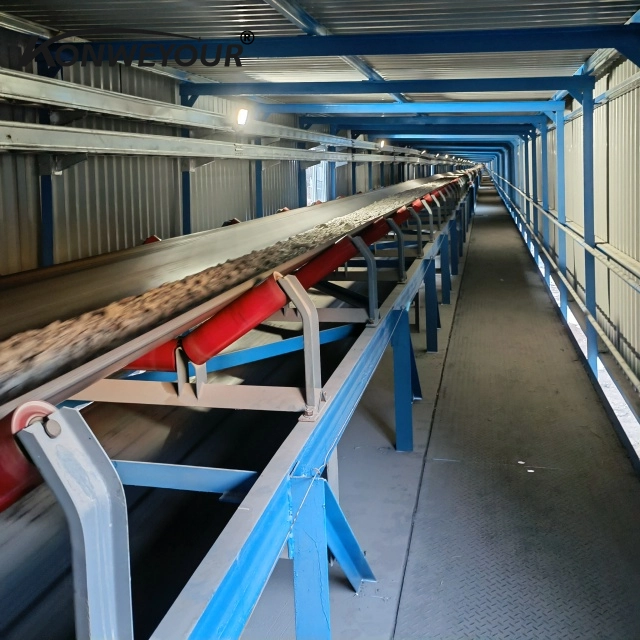
If you work around transfer points and loading zones, you already know the belt takes a beating. The
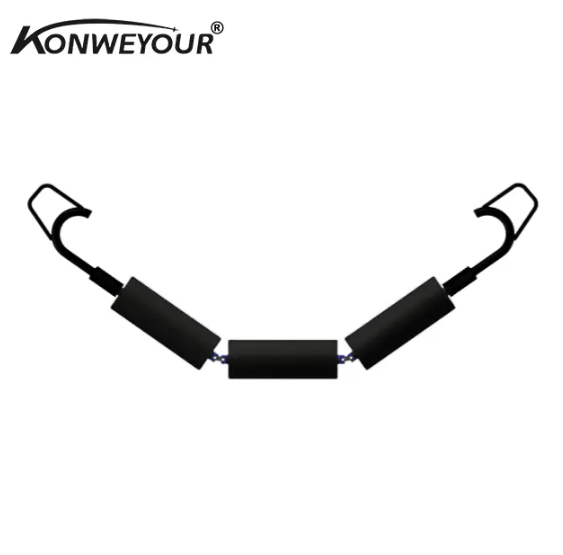
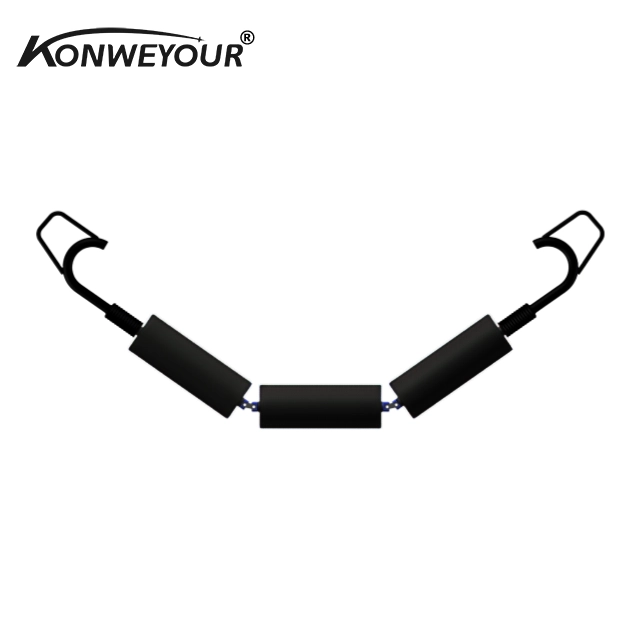
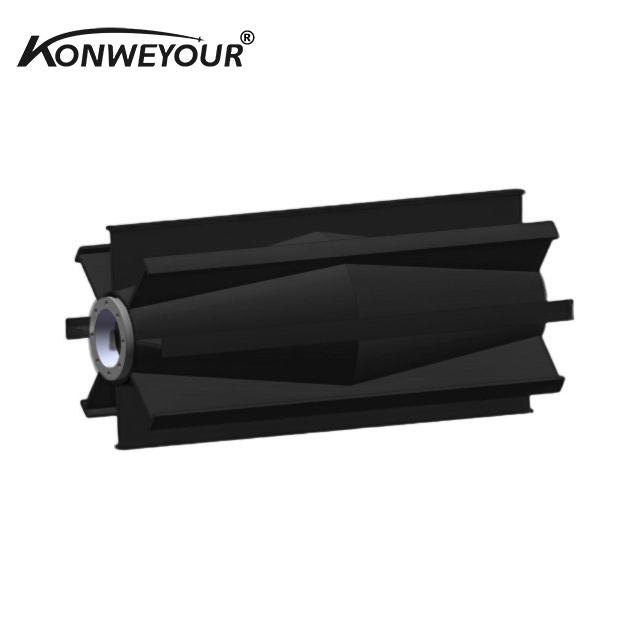
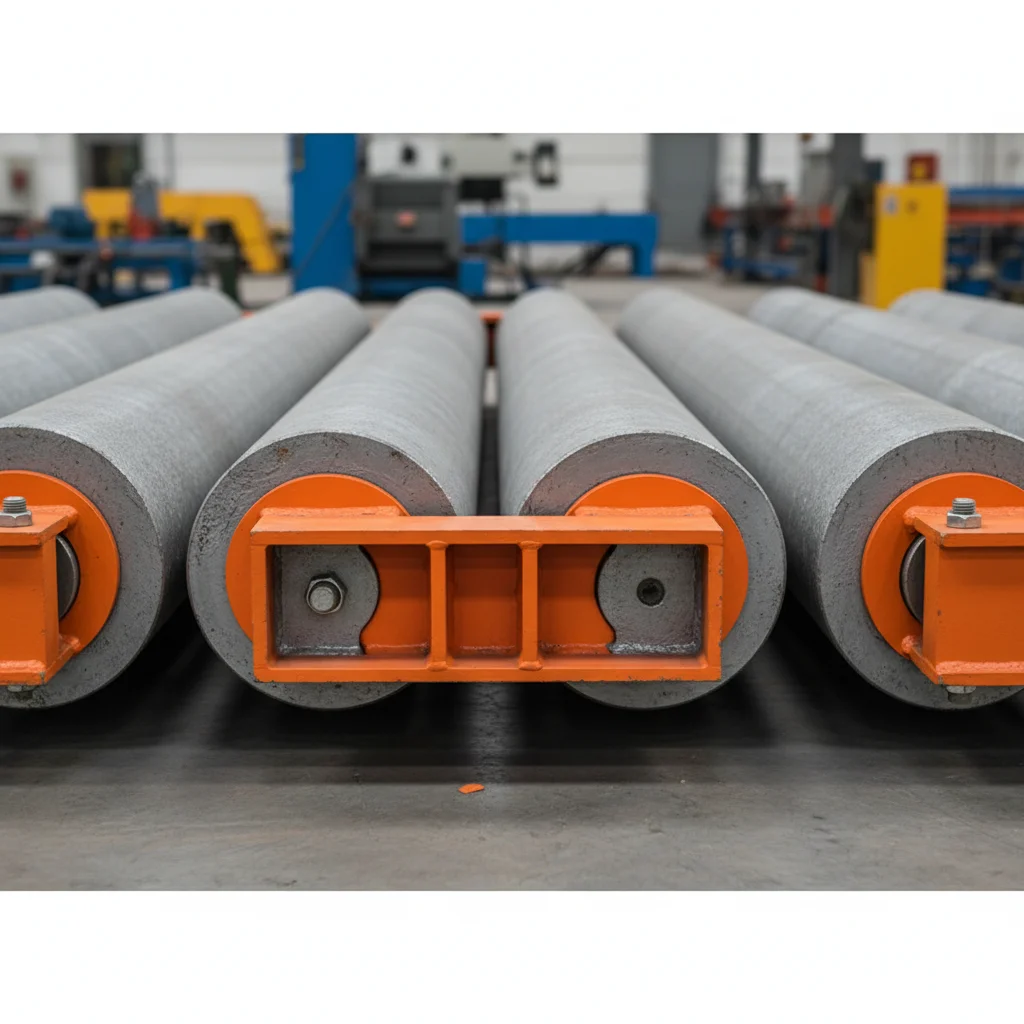
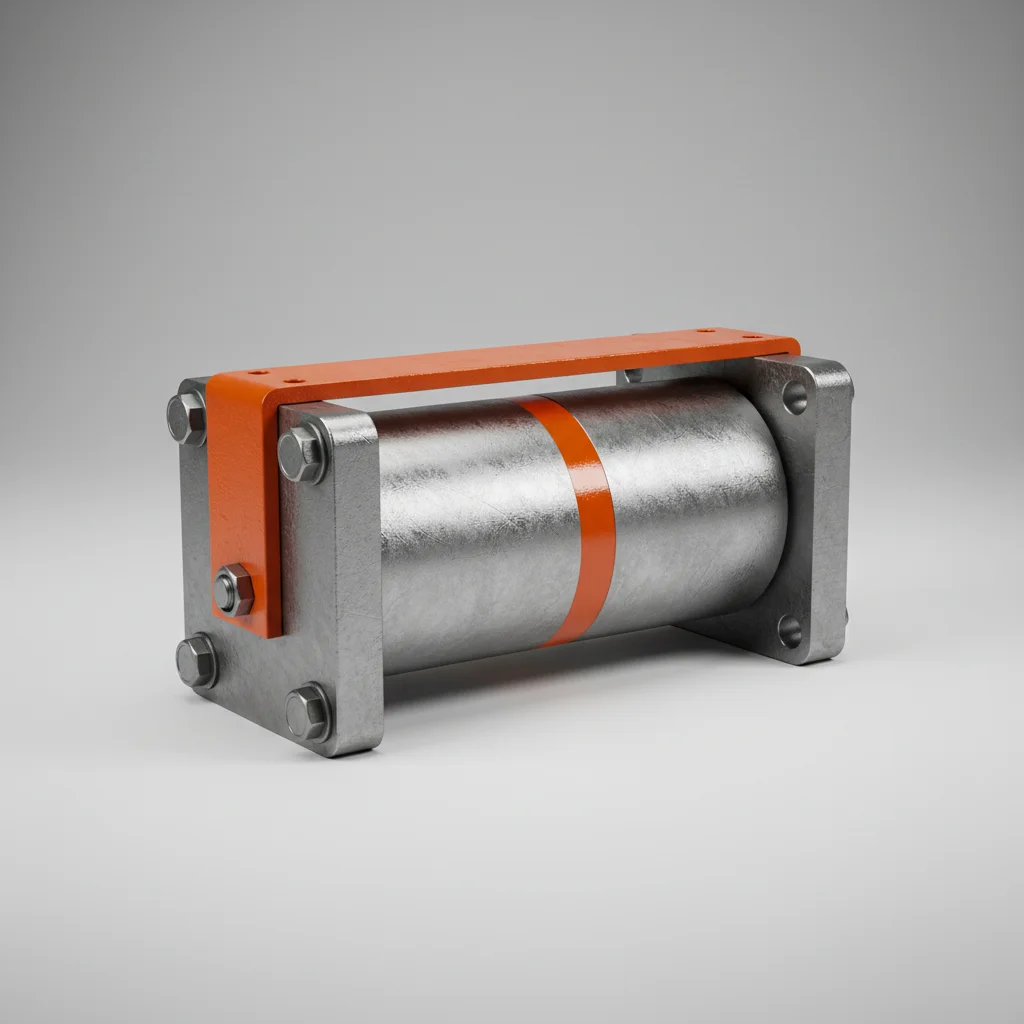
Impact Roller With Rubber Rings is that small, unsung component that quietly saves belts, idlers, and your maintenance budget. I’ve seen it in quarries where fines get everywhere, and at grain terminals where shock loads arrive in bursts. Honestly, when the ring hardness and sealing are right, downtime drops. Simple as that.
What’s trending
Industry-wise, we’re seeing thicker rubber rings, anti-tear compounds, and triple-labyrinth seals becoming standard. To be honest, it used to be about price; now, belt-protection ROI rules the conversation. Many customers say they’ll pay a bit more for Impact Roller With Rubber Rings that last through two belt campaigns instead of one.
Typical specifications
| Outer diameter |
89–159 mm (≈3.5–6.25 in) |
| Roll length |
250–1600 mm (custom on request) |
| Shaft diameter |
Ø20–Ø35 mm (CEMA B/C/D compatible) |
| Ring material |
NR/BR blend; Shore A ≈ 60–70 (real‑world use may vary) |
| Ring spacing |
10–20 mm typical; close‑pitch for severe impact |
| Sealing |
Triple‑labyrinth + contact lip, dust caps |
| Runout (TIR) |
≤ 0.7 mm on OD (typical) |
| Dynamic balance |
ISO 1940-1 Grade G40–G16 (application dependent) |
| Temperature range |
-20 to +80 °C (higher with EPDM rings) |
How they’re made (short version)
Materials: precision steel tube (Q235/EN S235), CO2 welded shafts, deep‑groove bearings (e.g., 6204/6205), and molded rubber rings. Methods: tube end forming, automatic welding, static/dynamic balancing, ring vulcanization, and press‑fit assembly. Tests: hardness (ASTM D2000), salt spray on housings (ISO 9227), sealing dust ingress, and idler runout vs. CEMA 502. Expected service life? In normal quarry duty, I’ve seen Impact Roller With Rubber Rings run 25,000–40,000 hours when seals are kept clean.
Where they shine
- Primary crushers and transfer chutes; coal, iron ore, aggregates.
- Grain terminals (surprisingly high shock at start-up), biomass lines.
- Cement plants, limestone quarries, sand and gravel pits.
Advantages you actually feel
- Shock absorption reduces belt gouging and splice stress.
- Lower noise vs. steel; better worker comfort at load zones.
- Sealing keeps fines out, bearings happy, uptime higher.
Vendor snapshot (apples-to-apples, as far as possible)
| Vendor |
Ring compound |
Sealing |
Certs |
Lead time |
| JT Conveyor (Origin: No. 13 Gongqiang Rd., Nangong EDZ, Xingtai, Hebei) |
NR/BR, Shore A 60–70 |
Triple-labyrinth + lip |
CEMA 502 alignment; ISO-oriented QA |
≈ 2–4 weeks |
| Import A (generic) |
NR, Shore A ~65 |
Dual-labyrinth |
Basic factory CoC |
3–6 weeks |
| Local Fabricator B |
NR/EPDM options |
Varies by batch |
Shop QA |
1–3 weeks |
Customization
Options include ring pitch, hardness (50–80 Shore A), hot/cold environments (EPDM/NBR), food-grade white rubber, antistatic rings for dusty zones, ceramic-coated shells at extreme wear points, and color coding by zone. I guess most buyers start with CEMA C dimensions and tweak from there.
Case in point
A limestone quarry retrofitted Impact Roller With Rubber Rings under a 1,000 mm belt at the primary drop. Results after 6 months: belt cover gouging incidents down ≈48%, idler changeouts down 35%, and transfer point noise reduced by ~4 dB(A). Not lab-perfect, but the maintenance planner told me, “We finally stopped babysitting that chute.”
Quality and test data (typical)
- Rubber hardness: 65±5 Shore A (ASTM D2000)
- Static runout: ≤0.7 mm; axial play ≤0.6 mm (per CEMA 502 guidance)
- Balance: G16 available for high-speed belts (ISO 1940-1)
- Grease purge/dust ingress: passed 24 h dust test; bearings still smooth
Note: Specifications reflect typical builds; actual configurations may vary with belt width, load class, and environment.
Authoritative references
- CEMA Standard No. 502 – Bulk Material Conveyor Idlers, Conveyor Equipment Manufacturers Association.
- ISO 1940-1 – Mechanical vibration — Balance quality requirements for rotors in a constant (rigid) state.
- ASTM D2000 – Standard Classification System for Rubber Products in Automotive Applications (widely used for ring compounding targets).