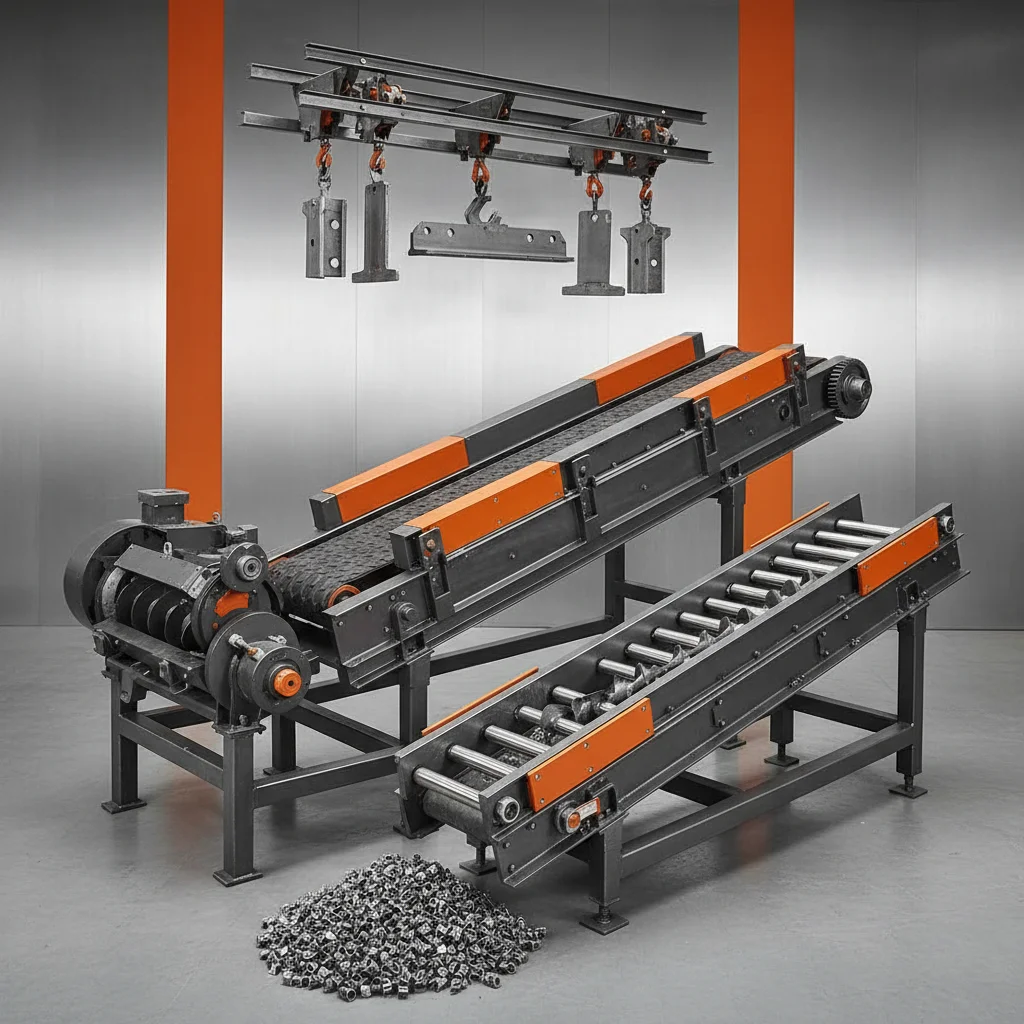
In the demanding landscape of modern industrial material handling, the screw type conveyor system stands as a cornerstone for the efficient movement of bulk solids. From pharmaceutical powders to heavy mining aggregates, these systems provide a sealed, controlled, and reliable method of transport that minimizes waste and maximizes throughput. Understanding the nuances of screw conveyance is essential for any facility looking to optimize its production line and reduce operational downtime.
Globally, the shift toward automation and stricter hygiene standards has propelled the demand for advanced screw-driven solutions. These systems are not merely tools for movement but are integrated components that often handle critical tasks such as metering, mixing, and blending simultaneously. By leveraging the mechanical simplicity of a rotating helical screw, industries can achieve precise volumetric control over their materials.
Whether integrated into a complex Conveyor System or acting as a standalone feeder, the screw type conveyor system addresses the challenge of handling abrasive, sticky, or hazardous materials that would otherwise clog traditional belt systems. Its ability to move materials vertically or horizontally makes it an indispensable asset in the pursuit of lean manufacturing and operational excellence.
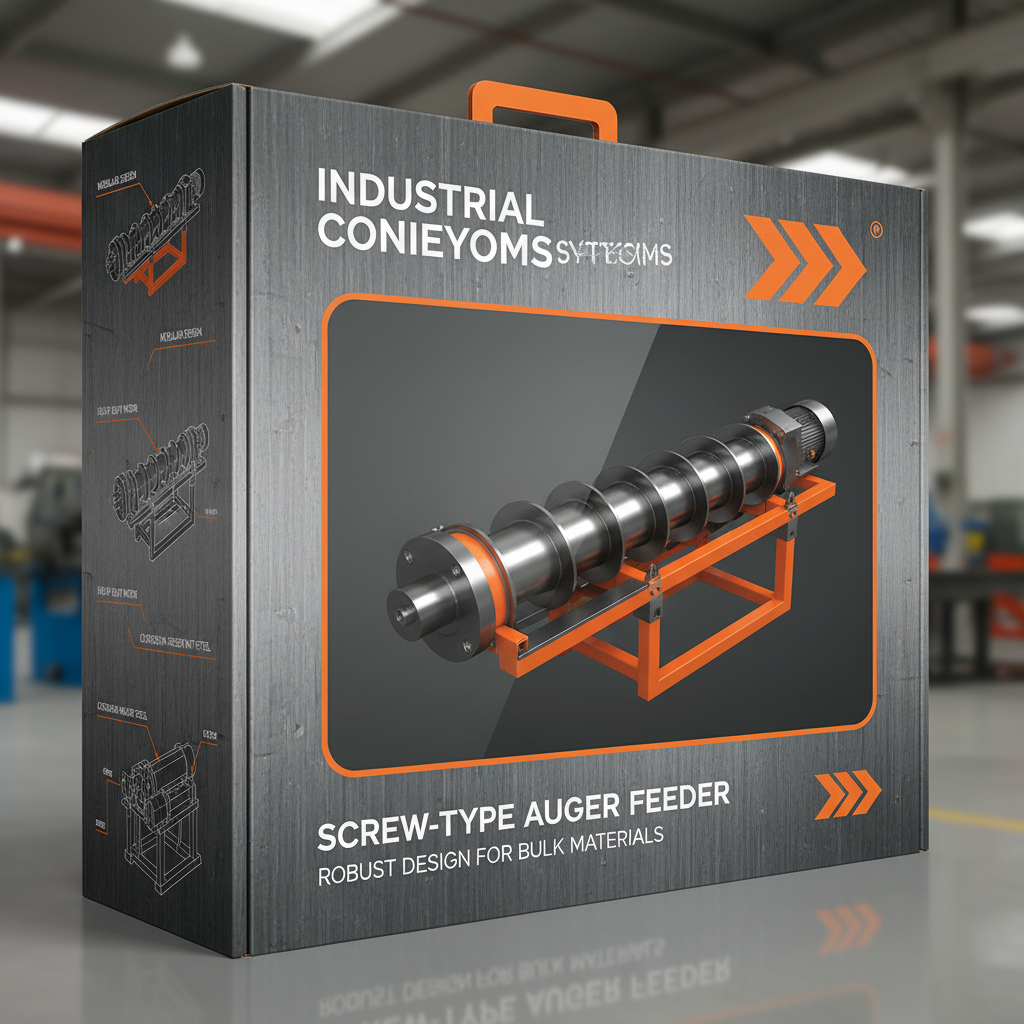
Global Industrial Relevance of Screw Conveyors
The global industrial sector relies heavily on the screw type conveyor system to maintain the flow of raw materials across diverse continents. According to international manufacturing standards and ISO guidelines, the precision of bulk material handling is directly linked to overall plant efficiency. In regions experiencing rapid industrialization, such as Southeast Asia and India, these systems are being deployed at an unprecedented rate to replace manual labor with automated, dust-free transport.
The primary challenge addressed by this technology is the containment of particulates. In sectors like food processing or chemical manufacturing, the leakage of materials is not just a financial loss but a safety hazard. By utilizing a fully enclosed trough, the screw conveyor ensures that hazardous dust is contained and purity is maintained, meeting the stringent requirements of global health and safety organizations.
Defining the Screw Type Conveyor System
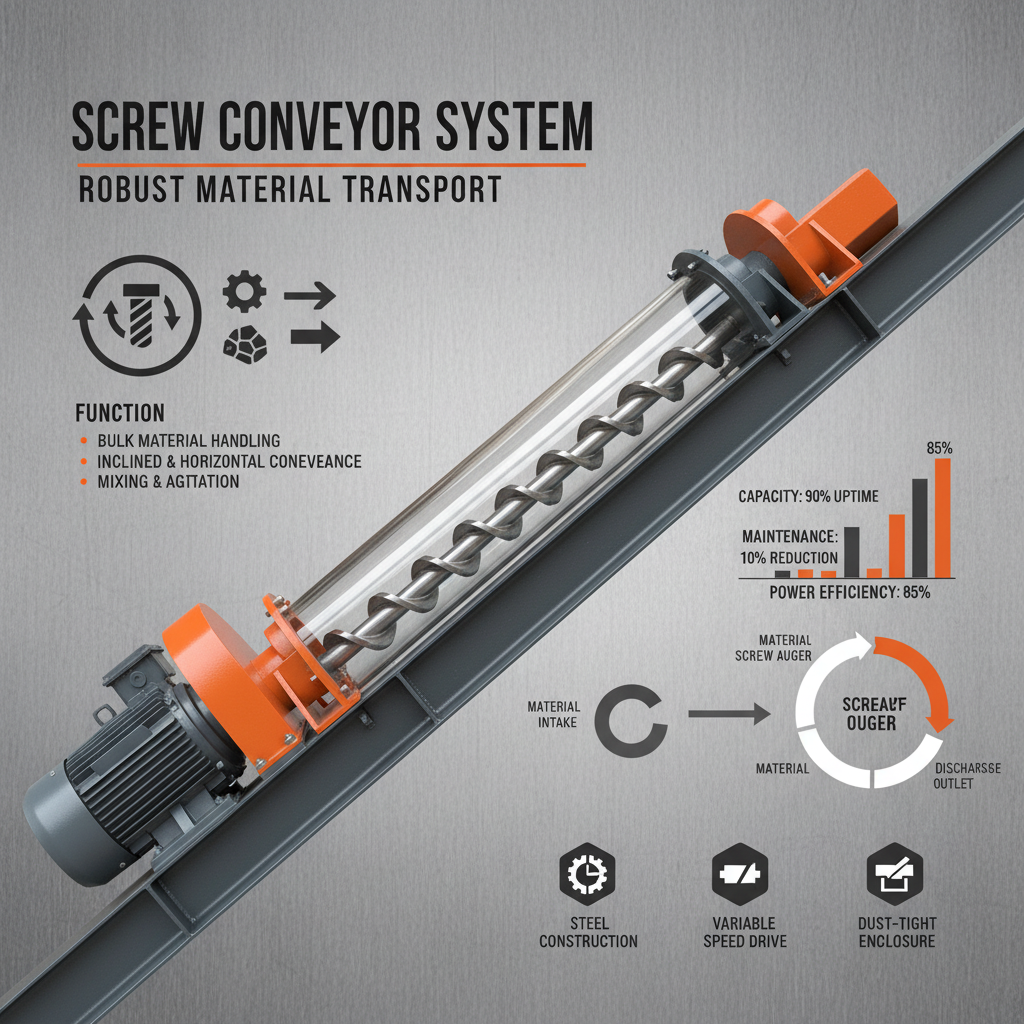
At its most fundamental level, a screw type conveyor system consists of a rotating helical screw blade (flighting) mounted within a cylindrical or U-shaped trough. As the screw rotates, it pushes the material forward along the axis of the shaft. This mechanical action is highly effective for moving granular, powdered, or chunky materials that can be pushed.
Beyond simple transport, these systems are often categorized into vertical, inclined, and horizontal configurations. The versatility of the design allows it to be integrated with other Conveyor Components, creating a seamless pipeline from the unloading dock to the processing silo. This integration is critical for modern "Just-in-Time" manufacturing where material flow must be synchronized with processing speeds.
In a broader humanitarian and industrial context, these conveyors are essential for the distribution of grains in agricultural hubs and the movement of cement in infrastructure projects. Their simplicity makes them easy to maintain in remote areas, providing a reliable backbone for essential resource distribution where complex belt systems might be overkill or too difficult to repair.
Core Components and Engineering Factors
The durability of a screw type conveyor system begins with the selection of the flighting material. Depending on the abrasiveness of the material, engineers may choose between carbon steel, stainless steel, or specialized polymers. The pitch of the screw—the distance between the flights—is carefully calculated to ensure the optimal balance between movement speed and volumetric capacity.
Another critical factor is the drive assembly, which typically involves a motor and a gearbox. The torque requirements for a screw type conveyor system are significantly higher than those for a Conveyor Roller based system, necessitating robust gear reducers that can handle the initial startup load of a full trough.
Finally, the bearing housing and seals play a pivotal role in preventing contamination. In the food and pharma industries, air-purged seals are often employed to ensure that no lubricant enters the product stream and no fine powder escapes into the environment. This attention to detail transforms a simple machine into a high-precision instrument of industrial logistics.
Performance Metrics and Efficiency Analysis
Evaluating the efficiency of a screw type conveyor system involves analyzing the relationship between screw speed, trough fill percentage, and material friction. A system running at 15% fill is typically used for light powders, while heavy aggregates may require a 45% fill to maintain stability. Optimizing these variables reduces energy consumption and extends the lifespan of the mechanical components.
When compared to other solutions like the Tubular Belt Conveyor, the screw system excels in short-distance, high-density transport and mixing. The following chart illustrates the comparative efficiency ratings based on various operational priorities, demonstrating where screw systems outperform their counterparts.
Operational Performance of Screw Type Conveyor System Variants
Global Applications and Use Cases
The versatility of the screw type conveyor system allows it to penetrate virtually every industrial sector. In the agricultural heartlands of North America and Brazil, these systems are used for the mass movement of soy and corn from silos to shipping containers. Their ability to operate in harsh, dusty environments without contaminating the product makes them a primary choice for grain elevators.
In the chemical and mining industries of Europe and Australia, screw conveyors are often used to transport caustic or volatile materials. Because the system can be completely sealed, it prevents the escape of toxic fumes and protects workers from exposure. Whether it's moving lime in a cement plant or transporting catalysts in a refinery, the screw system provides a level of containment that an open Mobile Belt Conveyor simply cannot offer.
Long-term Value and Sustainable Advantages
Investing in a high-quality screw type conveyor system offers significant long-term financial and environmental value. One of the most tangible benefits is the reduction in material waste; by eliminating spillage and dust, plants can recover a higher percentage of their raw materials, directly impacting the bottom line.
From a sustainability perspective, the energy efficiency of modern screw conveyors has improved through the use of Variable Frequency Drives (VFDs). These allow operators to adjust the flow rate in real-time, ensuring that the motor only consumes the energy required for the current load, rather than running at full power constantly.
Beyond the numbers, there is the emotional value of safety and trust. A sealed screw system reduces the risk of industrial accidents and respiratory illnesses caused by airborne particulates. This commitment to worker dignity and health fosters a more stable and loyal workforce, proving that technical innovation and social responsibility go hand-in-hand.
Future Innovations and Tech Integration
The future of the screw type conveyor system is being shaped by the "Industry 4.0" revolution. We are seeing the integration of IoT sensors directly into the bearing housings and motor mounts. These sensors can detect vibration patterns and heat signatures, allowing for predictive maintenance that identifies a failing bearing weeks before it causes a catastrophic shutdown.
Material science is also evolving, with the introduction of nano-coatings that reduce friction between the screw flight and the trough. These coatings not only increase the throughput of the screw type conveyor system but also dramatically reduce the wear and tear on the metal, extending the replacement cycle of the screw itself.
Furthermore, the shift toward green energy is leading to the development of solar-powered conveyor modules for remote mining and agricultural sites. By combining autonomous control systems with sustainable power, the next generation of screw conveyors will operate with minimal human intervention and zero carbon footprint.
Comparative Analysis of Screw Conveyor Material Specifications
| Material Type |
Wear Resistance (1-10) |
Corrosion Resistance |
Primary Use Case |
| Carbon Steel |
6 |
Low |
General Industrial/Dry Grains |
| Stainless Steel 304 |
7 |
High |
Food & Pharmaceutical |
| Stainless Steel 316 |
7 |
Very High |
Chemical & Marine Environments |
| Hardened Alloy |
10 |
Medium |
Mining & Abrasive Slurries |
| HDPE Plastic |
5 |
Very High |
Corrosive Waste/Light Powder |
| Tungsten Carbide Coated |
9 |
Medium |
Heavy Duty Quarrying |
FAQS
The primary advantage is containment. Unlike belt conveyors, which are often open and prone to dust emissions, a screw type conveyor system is fully enclosed. This prevents product loss, protects the material from environmental contamination, and ensures that hazardous dust does not enter the workspace, making it the superior choice for pharmaceutical and food-grade powders.
Lifespan depends heavily on the materials used. A standard carbon steel screw may wear out quickly, but systems utilizing hardened alloys or tungsten carbide coatings can last several years. Regular inspections of the flighting and the use of sacrificial liner plates in the trough can further extend the service life to 5-10 years depending on the throughput.
Yes, screw conveyors can be designed for vertical transport. However, vertical screwing requires higher speeds and more powerful motors to overcome gravity and friction. For very high lifts, vertical screw conveyors are often more space-efficient than bucket elevators, though they may have lower capacity per diameter ratio.
Generally, screw conveyors are most efficient for short to medium distances. For extremely long distances, the friction between the material and the trough increases significantly, leading to higher energy costs. In such cases, integrating several screw units with intermediate hoppers or switching to a belt system may be more cost-effective.
Material buildup can be prevented by choosing a shaftless design for sticky materials, applying non-stick coatings to the flights, or installing vibration motors on the trough. Ensuring the system is operated at the correct fill level also prevents "packing," where the material compresses and stalls the screw.
Integration is typically achieved through the use of VFDs and PLC controllers. By linking the screw's motor speed to the downstream processing equipment via a 4-20mA or Modbus signal, you can create a closed-loop system that automatically adjusts material flow based on real-time demand, ensuring a balanced production line.
Conclusion
The screw type conveyor system remains a pivotal technology in the world of material handling, offering a unique combination of containment, precision, and mechanical reliability. From its role in maintaining hygiene in food production to its rugged application in the mining sector, the screw conveyor's ability to handle challenging bulk solids with minimal waste makes it an essential investment for any industrial facility aiming for operational efficiency and safety.
Looking forward, the convergence of IoT-driven predictive maintenance and advanced material coatings will only enhance the value proposition of these systems. For companies seeking to modernize their infrastructure, upgrading to a smart, energy-efficient screw conveyance solution is not just a technical improvement but a strategic move toward a more sustainable and productive future. Visit our website to explore our full range of solutions: www.jtconveyor.com