

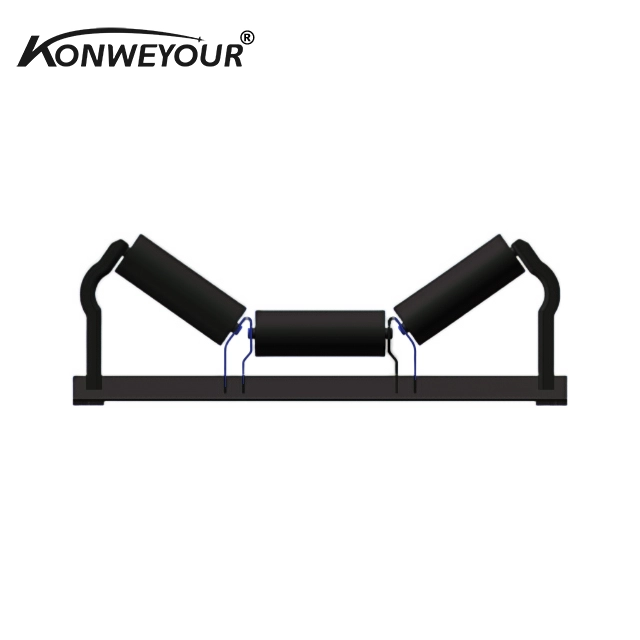
HighEfficiency mine conveyor Solutions for Chile’s Mining Sector

High-Efficiency mine conveyor Solutions for Chile's Mining Sector

Optimizing material flow across the Atacama and Andean regions with rugged, industrial-grade continuous transport technology.

High-Efficiency mine conveyor Solutions for Chile's Mining Sector

Providing Chile's copper and lithium mines with robust transport systems designed to handle extreme altitudes and abrasive mineral loads.

The Current State of Material Handling in Chile

Analyzing the challenges of high-altitude transport and seismic stability in South American mining.

Chile's mining landscape is defined by the extreme geography of the Andes and the arid conditions of the Atacama Desert. The reliance on a sophisticated conveyor system is critical for moving massive volumes of copper and lithium concentrates from deep pits to processing plants, where traditional trucking is inefficient due to altitude and fuel costs.

The environmental stress in Chile—ranging from extreme UV exposure to significant temperature fluctuations—requires specialized conveyor components that resist wear and tear. Material abrasion is a primary concern, leading to frequent belt failures and the need for high-tensile, impact-resistant materials.

Furthermore, Chile's strict seismic safety regulations necessitate that all conveyor transfer systems be engineered with flexible joints and reinforced supports to prevent catastrophic failure during tectonic events, ensuring operational continuity for the national economy.
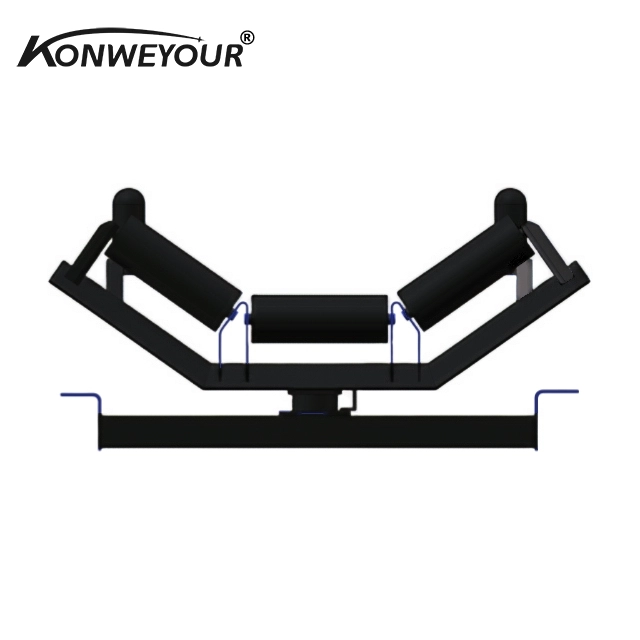
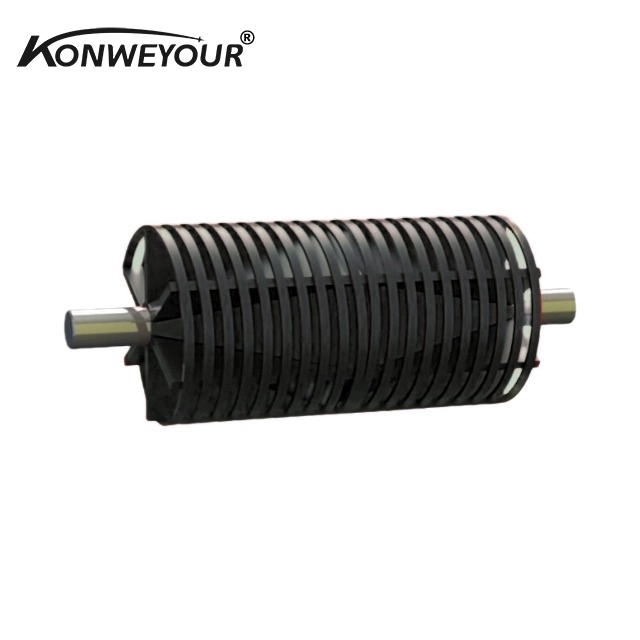
Evolution of Continuous Transport in Chile

From basic mechanical belts to intelligent, automated mineral transport pipelines.

Market Development History

In the early 20th century, Chilean mines relied on rudimentary cable-ways and simple rubber belts. By the 1970s, the industry shifted toward heavy-duty steel-cord belts to handle the increased depth of open-pit mines, marking the first wave of modernized mine conveyor adoption.

During the 1990s and 2000s, the focus transitioned to throughput optimization. The introduction of high-capacity coal mine conveyor technologies was adapted for copper mining, allowing for the movement of larger ore chunks and reducing the frequency of crushing cycles.

From 2015 to the present, the integration of IoT and real-time monitoring has revolutionized the sector. Current systems now utilize sensor-driven diagnostics to predict failure in conveyor components, drastically reducing unplanned downtime in remote Andean sites.

Future Development Trends

Autonomous Belt Monitoring

Implementation of AI-driven vision systems to detect belt tears and misalignments in real-time, reducing manual inspection risks.

Green Energy Integration

Regenerative braking systems on downhill conveyors that feed electricity back into the mine's power grid, lowering the carbon footprint.

Ultra-High Tension Materials

Transitioning to next-generation polymers and carbon-fiber reinforcements to extend the lifespan of belts in highly acidic mining environments.

Industry Trends and Future Outlook

Strategic directions for continuous transport in the Chilean mineral sector.

Predictive Maintenance 4.0
Utilizing big data to forecast the wear of conveyor components before they cause system failure.
Modular Transfer Units
Rapidly deployable conveyor transfer systems to adapt to changing pit geometries.
Dust Suppression Tech
Advanced enclosure and misting systems to meet Chile's stringent environmental air quality laws.
High-Angle Conveying
Reducing land footprint by using steep-angle conveyor system technology for mountainous terrain.

Industry Outlook

The next five years will see a massive shift toward "Intelligent Mining." In Chile, this translates to the convergence of heavy-duty hardware and digital twins, allowing operators to simulate load stresses before they occur.

As the industry moves toward deeper deposits, the demand for integrated conveyor transfer systems that can operate autonomously with minimal human intervention will become the gold standard for operational efficiency.

Localized Applications in Chile

Real-world deployments tailored to the specific geological and climatic needs of Chile.

01. Open-Pit Copper Ore Transport

Deployment of long-distance, high-capacity belts to transport raw copper ore from the pit floor to surface primary crushers in the Antofagasta region.

02. Lithium Brine Processing Lines

Specialized corrosion-resistant conveyor system setups for salt-heavy environments in the Salar de Atacama.

03. Underground Mine Waste Removal

Implementation of reinforced mine conveyor galleries for efficient waste rock removal in deep underground operations.

04. Coastal Port Bulk Loading

High-speed conveyor transfer systems designed for saltwater environments to load concentrates onto cargo ships.

05. Coal-to-Power Facility Logistics

Heavy-duty coal mine conveyor infrastructure for energy plants serving the industrial corridors of central Chile.

Brand Story

Global Development Journey of Hebei Juntong Machinery Manufacturing Co., Ltd.

Industrial Foundations

Founded on a commitment to precision engineering, we began by solving basic material flow bottlenecks for regional manufacturers.

Technological Breakthroughs

We pioneered advanced belt splicing and tensioning technologies, significantly increasing the uptime of industrial conveyor systems.

Global Expansion

Expanding into South America, we tailored our hardware to withstand the extreme altitudes and abrasive minerals of the Andes.

Mining Specialization

Developed a dedicated line of mine-specific hardware, focusing on safety, durability, and high-tonnage capacity.

The Future of Flow

Today, we lead the industry in integrating smart sensors with heavy machinery to create the "Mine of the Future."

Complete Material Handling Portfolio for Chile

End-to-end solutions from raw extraction to port loading.

Chilean Mining Logistics FAQ

Expert answers to common technical queries regarding continuous transport in South America.

How do you ensure mine conveyor stability in seismic zones like Chile?

We utilize reinforced structural supports and flexible coupling systems in our conveyor transfer systems to absorb tectonic shocks and prevent structural collapse.

What are the best conveyor components for abrasive copper ore?

We recommend high-grade ceramic lagging and reinforced steel-cord belts that offer superior abrasion resistance and higher tensile strength.

Can a coal mine conveyor be adapted for lithium extraction?

Yes, by upgrading the materials to corrosion-resistant alloys and polymers to handle the high salinity of lithium brine deposits.

How does altitude affect conveyor system motor performance?

At high altitudes, air cooling is less effective. We provide derated motors and enhanced cooling systems to ensure consistent torque and prevent overheating.

What is the typical lifespan of conveyor components in the Atacama?

With UV-stabilized belts and regular predictive maintenance, our components are designed to last 30-50% longer than standard industrial parts.

How are conveyor transfer systems optimized for energy efficiency?

We use VFD (Variable Frequency Drives) and low-friction idlers to reduce energy consumption and optimize load-based speed control.

Request a Technical Consultation

Our engineers are ready to design the perfect transport solution for your operations in Chile.

Contact Us Now

If you are interested in our products, you can choose to leave your information here, and we will be in touch with you shortly.

  • captcha