
HighPerformance conveyor transfer systems for Israel’s Industrial Sector

  • Home
  • Global Service
  • HighPerformance conveyor transfer systems for Israel’s Industrial Sector

High-Performance conveyor transfer systems for Israel's Industrial Sector

Engineering precision bulk material handling solutions tailored for the demanding geological and climatic conditions of the Israeli landscape.

High-Performance conveyor transfer systems for Israel's Industrial Sector

Integrating advanced mechanical engineering with localized environmental adaptations to optimize the movement of minerals and bulk aggregates across Israel's diverse industrial zones.

Material Handling Landscape in Israel

Analyzing the synergy between regional geography and continuous conveying requirements.

Israel's industrial sector faces unique challenges due to its arid climate and high salinity in coastal regions. The demand for a robust conveyor system is driven by the need to transport minerals and construction aggregates while minimizing dust emissions in sensitive ecological zones.

In the Negev region, the extraction of phosphate and potash requires heavy-duty equipment capable of withstanding extreme heat and abrasive dust. This necessitates specialized conveyor components made from high-grade, corrosion-resistant alloys to ensure longevity and reduce maintenance downtime.

Furthermore, the push towards "Smart Cities" and infrastructure modernization in Tel Aviv and Haifa has increased the integration of automated transfer solutions, moving away from traditional trucking to integrated belt systems to reduce carbon footprints and urban congestion.
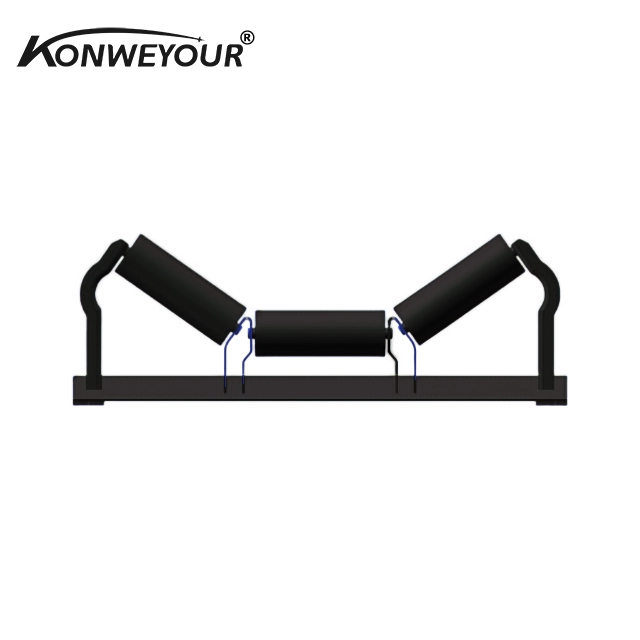
Evolution of Conveying Technology

From manual hauling to intelligent, automated bulk transport.

Market Development History

During the early industrialization phase (1950s-1980s), material handling in Israel relied heavily on basic belt conveyors and manual loading, which were prone to high wear and tear due to the abrasive nature of local ores.

From 1990 to 2010, the industry transitioned toward standardized mine conveyor designs. This era saw the introduction of reinforced rubber belts and modular drive units, significantly increasing the throughput of phosphate mining operations.

Since 2010, the focus has shifted toward digitalization. The integration of PLC controls and IoT sensors has transformed the traditional coal mine conveyor logic—even in non-coal applications—allowing for real-time tension monitoring and predictive failure analysis.

Future Development Trends

Energy-Efficient Drive Systems

Implementation of permanent magnet motors and regenerative braking to reduce energy consumption in long-distance transport.

AI-Driven Predictive Maintenance

Using machine learning to analyze vibration patterns in rollers and pulleys to prevent unscheduled shutdowns.

Sustainable Material Coatings

Development of eco-friendly, non-toxic belt coatings to prevent soil contamination in the Mediterranean basin.

Industry Trends and Future Outlook

Strategic projections for the next 3-5 years in the Israeli bulk handling market.

Autonomous Logistics
Integration of AGVs with fixed conveyor systems for seamless warehouse-to-mine connectivity.
Modular Componentry
Rapid-deploy conveyor components to reduce installation time for temporary mining sites.
Dust Mitigation Tech
Advanced enclosure and vacuum systems to meet strict Israeli environmental laws.
Smart Tensioning
Automatic hydraulic tensioning to compensate for temperature swings in the desert.

Industry Outlook

Based on regional investment trends, Israel is moving toward a "circular economy" where waste material recovery is prioritized. This will lead to an increase in complex, multi-stage conveyor system installations in recycling plants.

The synergy of Israeli software innovation and heavy machinery will likely result in the world's first fully "self-healing" conveyor networks, where sensors trigger automatic belt splicing or roller replacement via robotic arms.

Local Application Scenarios in Israel

Real-world deployment of continuous conveying solutions across diverse Israeli sectors.

1. Dead Sea Potash Extraction

Deploying high-corrosion resistance mine conveyor units to handle salt-saturated minerals in extreme humidity and heat.

2. Negev Desert Aggregate Mining

Long-distance overland conveyor systems designed to move crushed rock across sandy terrain with minimal environmental impact.

3. Haifa Port Bulk Terminal

Implementing high-capacity conveyor transfer systems for the rapid unloading and storage of imported grains and ores.

4. Central District Recycling Hubs

Modular conveyor belts integrated with optical sorters for the automated processing of urban municipal waste.

5. Phosphate Processing Plants

Heavy-duty coal mine conveyor style belts modified for phosphate transport, focusing on high-torque drive units and abrasion-resistant liners.

Brand Story

Global Development History of Hebei Juntong Machinery Manufacturing Co., Ltd.

Foundation of Excellence

Established with a vision to revolutionize bulk material handling, focusing on high-durability steel structures and precision engineering.

Technological Breakthroughs

Pioneered the development of low-friction roller systems that reduced energy consumption by 15% for global mining clients.

Global Market Expansion

Expanded operations into the Middle East and Asia, tailoring equipment to survive extreme temperatures and salinity.

Quality Certification

Achieved international ISO and CE certifications, ensuring that every component meets the strictest safety and performance standards.

Vision for the Future

Committing to carbon-neutral manufacturing and the integration of AI into every conveying system we deliver worldwide.

Comprehensive Product Portfolio for the Israeli Market

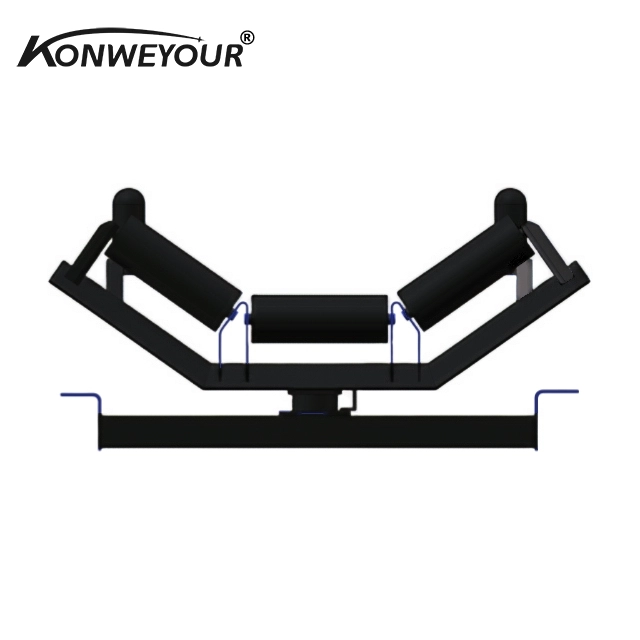
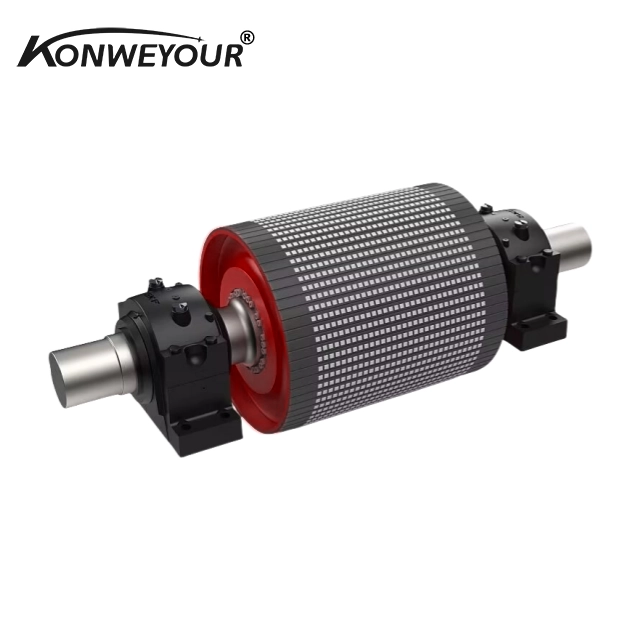
A complete range of equipment from heavy-duty belts to precision-engineered components.

Local FAQ for Conveying Solutions in Israel

Answers to the most common technical and logistical queries from our regional partners.

How do you handle corrosion in coastal Israeli conveyor systems?

We use specialized galvanization and marine-grade epoxy coatings on all structural frames and high-grade stainless steel for conveyor components to prevent salt-air oxidation.

What is the best mine conveyor belt for phosphate transport?

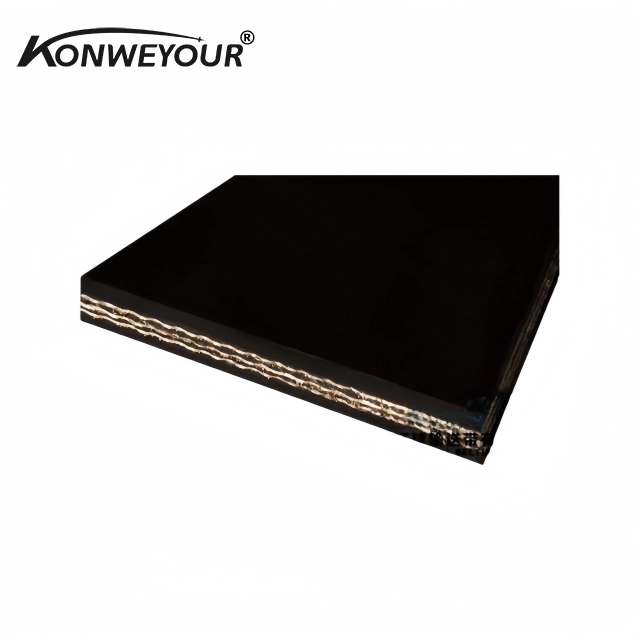
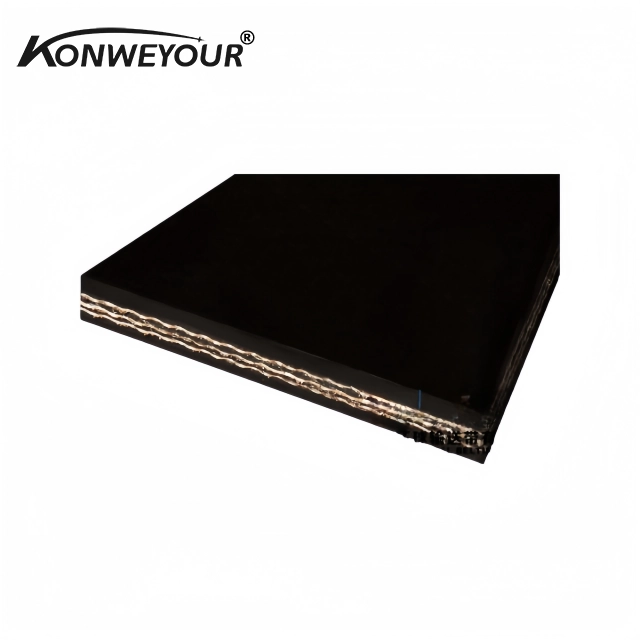
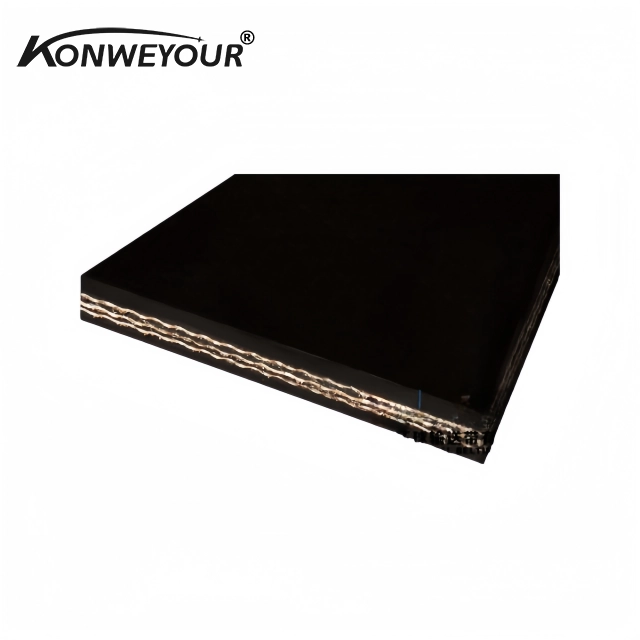
For phosphate, we recommend steel-cord reinforced belts with a high-abrasion resistant top cover to withstand the sharp edges of the mineral.

Can your conveyor transfer systems be integrated with existing PLC software?

Yes, our systems are designed with open-protocol communication, making them fully compatible with Siemens, Rockwell, and Schneider electric control systems.

How do you manage dust in a coal mine conveyor setup?

We implement a combination of enclosed galleries, ultrasonic misting systems at transfer points, and high-efficiency skirt rubber seals.

What is the lead time for custom conveyor components delivered to Haifa?

Depending on the complexity, custom parts are typically manufactured within 15-30 days and shipped via optimized maritime routes to ensure rapid delivery.

Do you provide on-site installation for a full conveyor system in the Negev?

Absolutely. We provide a full turn-key service including site survey, engineering, shipment, and expert on-site installation and commissioning.

Request an Engineering Consultation

Ready to optimize your material flow? Our experts are available to design custom solutions for your projects in Israel.

Contact Us Now

If you are interested in our products, you can choose to leave your information here, and we will be in touch with you shortly.

  • captcha