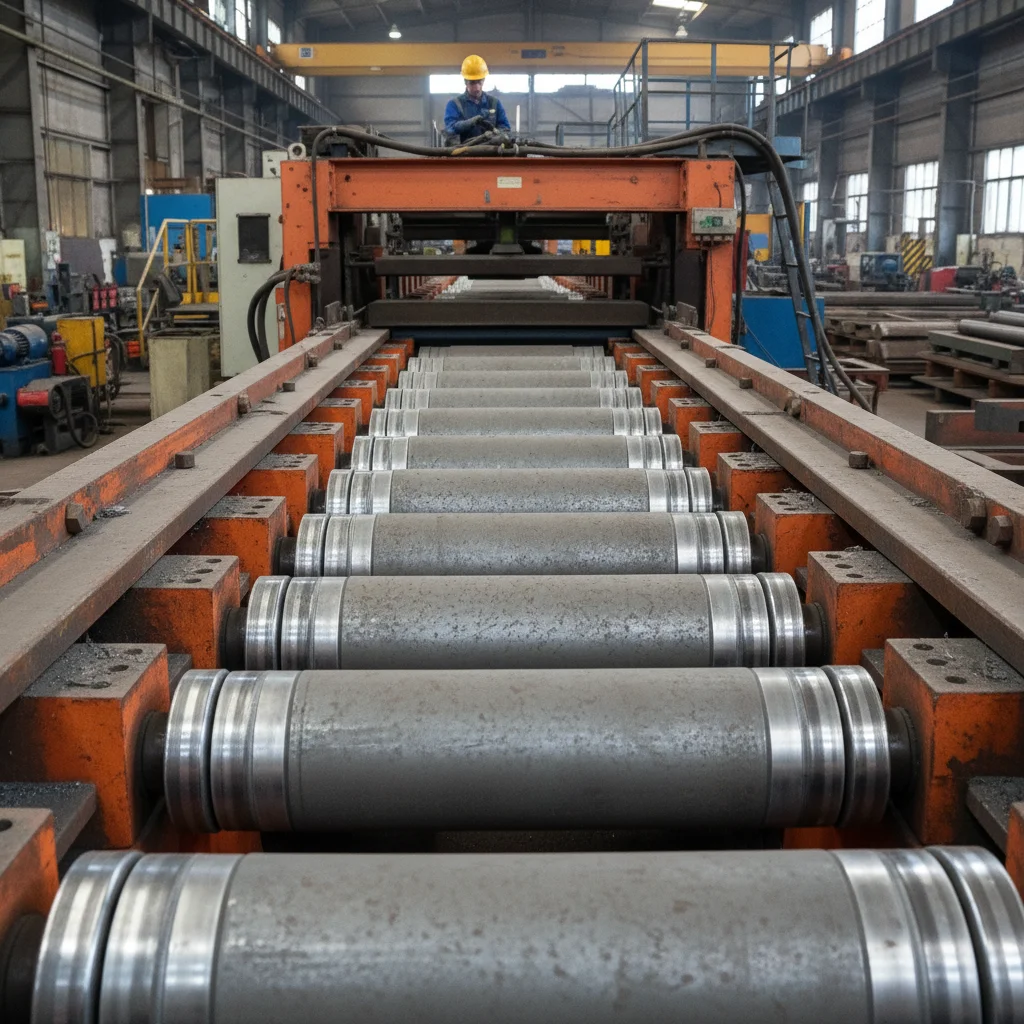
Conveyor Rollers and Idlers: A Comprehensive Guide
Efficient material handling is the backbone of countless industries, and at the heart of many systems lie conveyor rollers and idlers. These seemingly simple components play a crucial role in ensuring smooth, reliable, and cost-effective conveyance of goods. This article provides a detailed overview of conveyor rollers and idlers, exploring their types, applications, selection criteria, and maintenance tips. Understanding these elements is essential for optimizing your conveyor systems and maximizing operational efficiency. We'll delve into the specifics to help you make informed decisions for your business.
Understanding Conveyor Rollers and Idlers
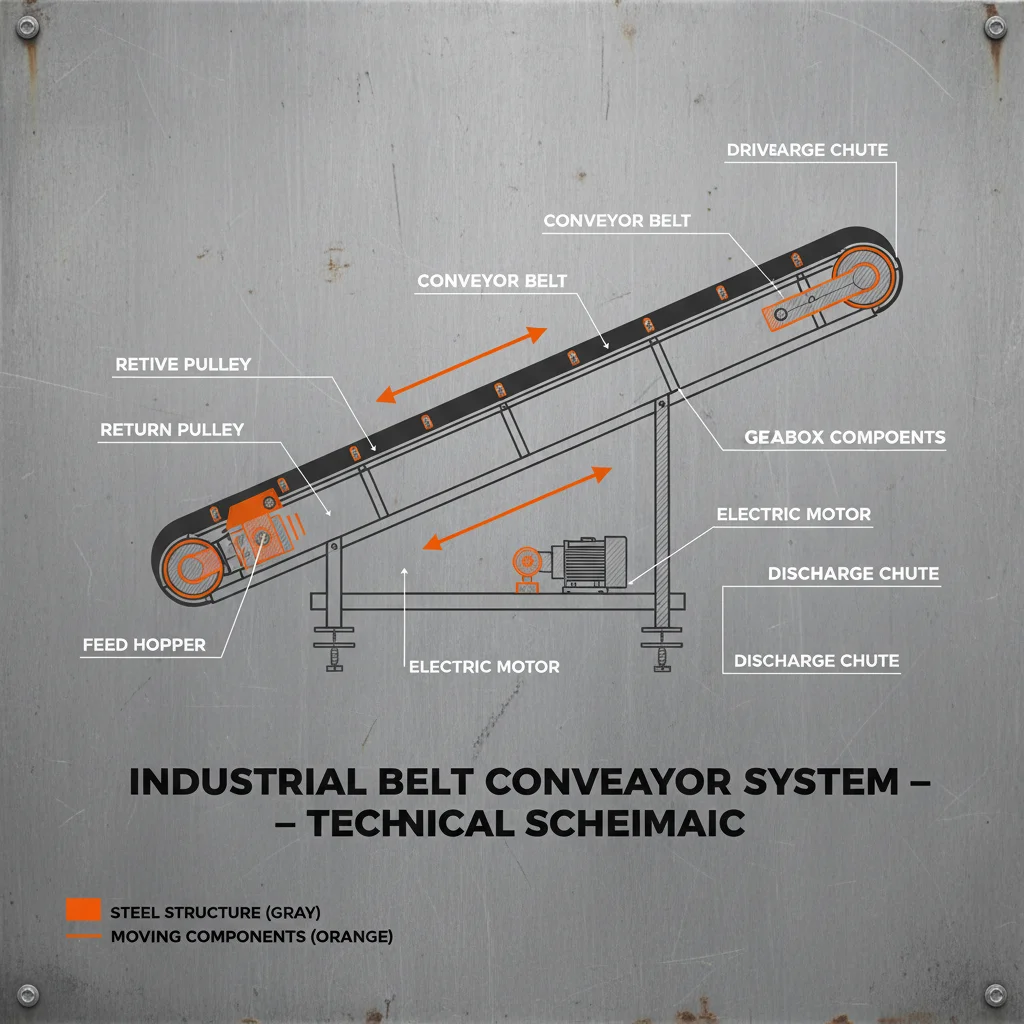
Conveyor rollers and idlers are fundamentally support components that enable a conveyor belt to move smoothly. They reduce friction between the belt and the conveyor frame, minimizing wear and energy consumption. Rollers are typically driven, providing the motive force for the belt, while idlers are free-moving, supporting the load and maintaining belt alignment. The selection of appropriate rollers and idlers is critical, as it directly impacts the system’s capacity, speed, and lifespan. There are various types available, each suited to specific applications and material characteristics. Choosing the right type for your specific needs will lead to increased efficiency and reduced downtime.
Types of Conveyor Rollers
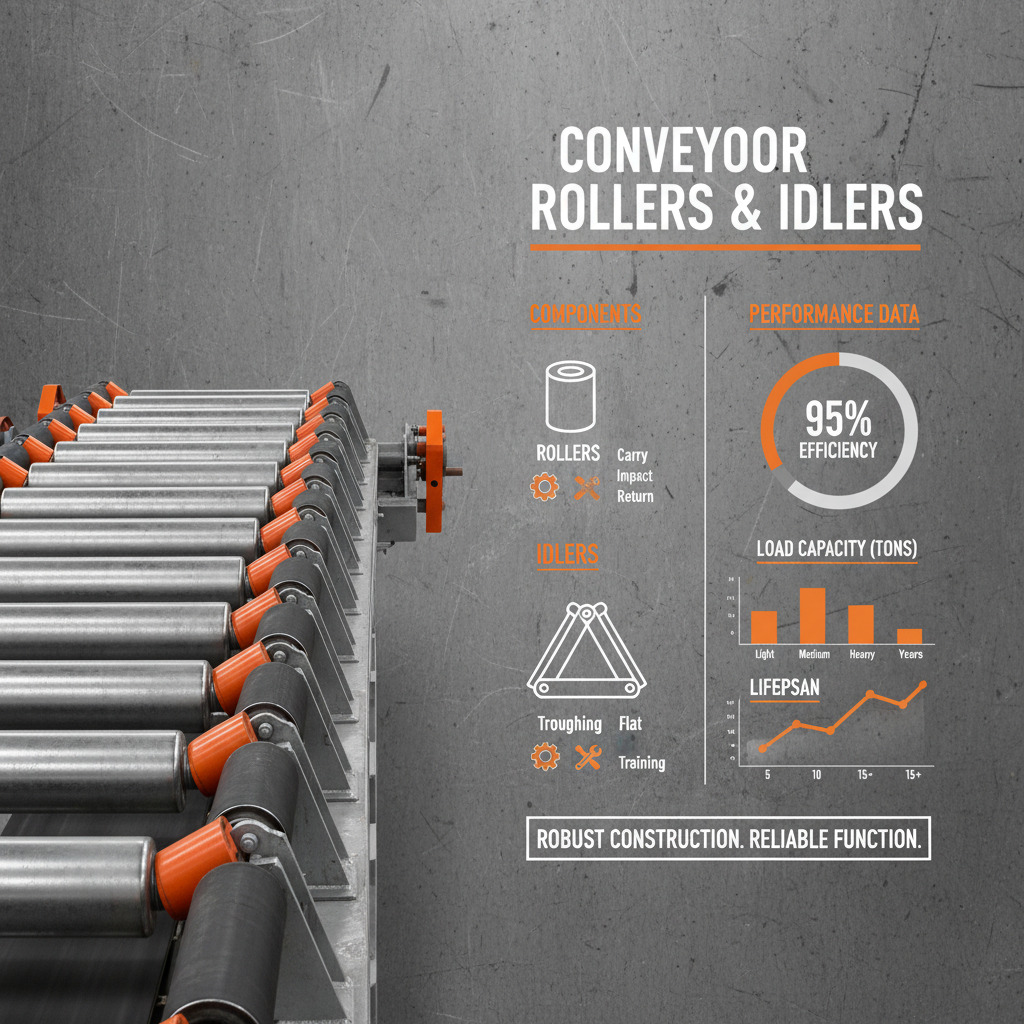
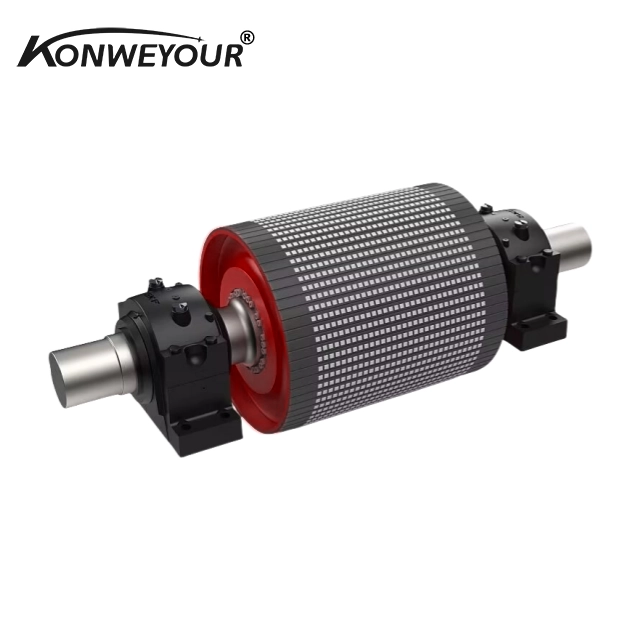
Several types of conveyor rollers cater to diverse applications. Carrying rollers support the weight of the conveyed material. Return rollers, located on the underside of the belt, help to guide the belt back to the loading point. Snub rollers, strategically positioned, prevent belt slippage. Impact rollers, built with robust materials, absorb the force of heavy loads at the loading zone. Finally, bend rollers facilitate the directional change of the conveyor belt. JT Conveyor offers a comprehensive range of rollers designed to meet varying operational demands.
Key Roller Types: Carrying, Return, Snub, Impact, and Bend rollers all play specific roles in conveyor system function.
Conveyor Idlers: Supporting the Load
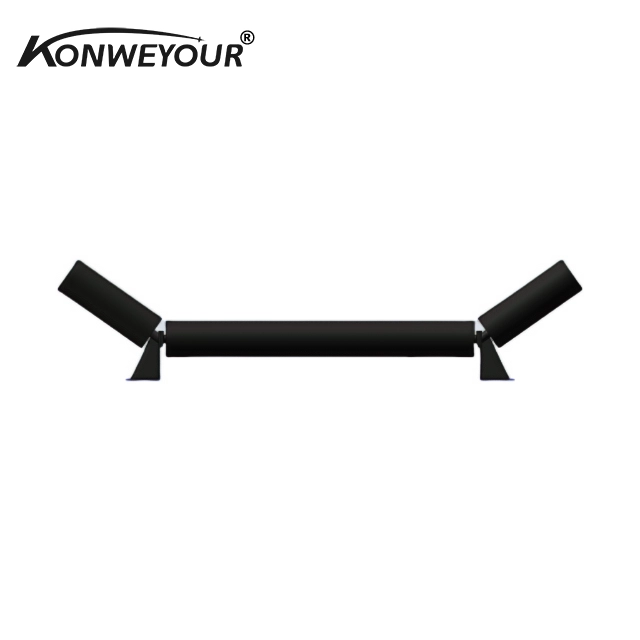
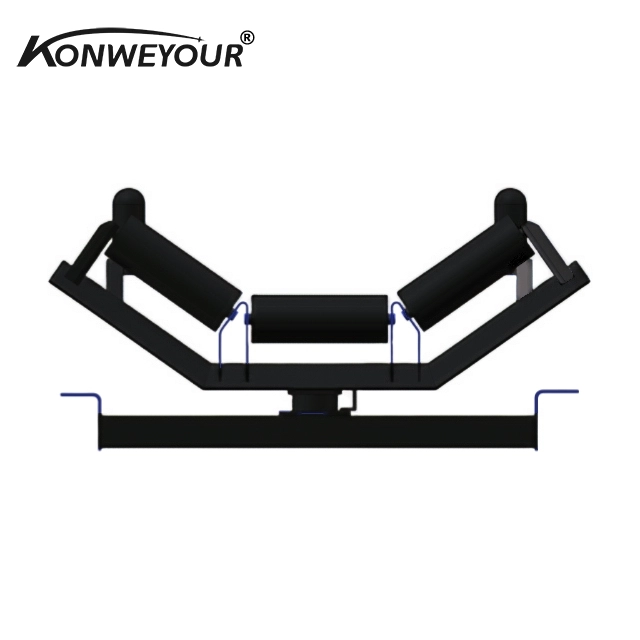
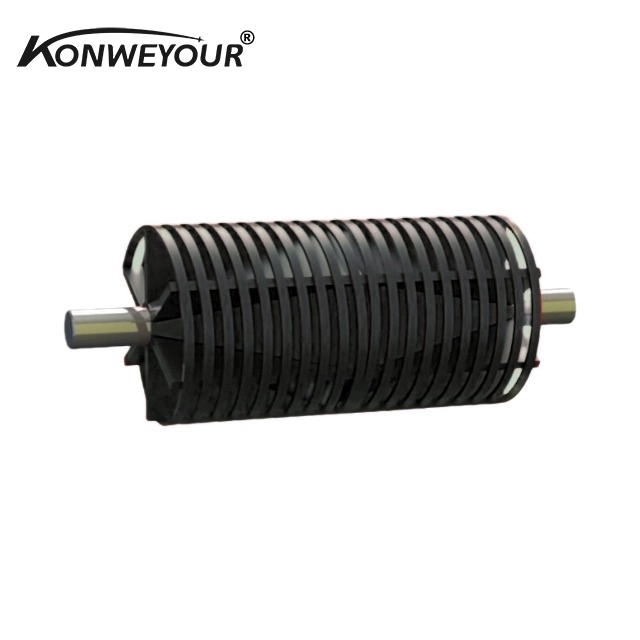
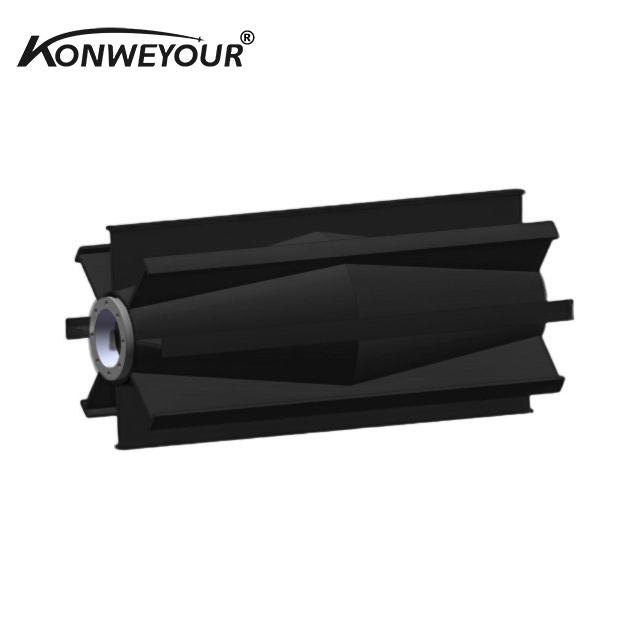
Conveyor idlers are non-powered rollers that support the conveyor belt and the conveyed material. They are essential for maintaining belt stability and preventing sagging. Similar to rollers, idlers come in different configurations. Wing idlers feature side wings to guide the belt and prevent material buildup. Self-centering idlers automatically adjust to belt misalignment, minimizing tracking issues. Spiral idlers are employed in cleaning applications, removing debris from the belt. The proper selection and placement of idlers are crucial for ensuring smooth and efficient material handling. JT Conveyor’s idlers are engineered for durability and reliable performance.
Idler Benefits:
• Supports the conveyor belt and material.
• Maintains belt alignment.
• Reduces friction and wear.
• Available in wing, self-centering, and spiral designs.
Roller and Idler Materials: A Comparative Overview
The material composition of conveyor rollers and idlers significantly impacts their performance and longevity. Steel rollers are commonly used for heavy-duty applications, offering excellent strength and durability. Polypropylene rollers are lightweight and corrosion-resistant, ideal for environments where moisture is present. Stainless steel rollers provide superior corrosion resistance, making them suitable for food processing or pharmaceutical applications. Understanding these material properties is crucial for selecting the optimal components for your specific requirements. JT Conveyor utilizes high-quality materials to ensure reliable performance in demanding environments.
| Material |
Strength |
Corrosion Resistance |
Application |
| Steel |
High |
Moderate (requires coating) |
Heavy-duty applications |
| Polypropylene |
Moderate |
Excellent |
Moist environments |
| Stainless Steel |
High |
Superior |
Food processing, pharmaceuticals |
Maintenance and Longevity
Regular maintenance is essential for maximizing the lifespan and performance of conveyor rollers and idlers. Routine inspections should include checking for bearing wear, seal damage, and structural integrity. Lubrication is critical for reducing friction and preventing premature failure. Prompt replacement of worn or damaged components minimizes downtime and prevents more costly repairs. Following a preventative maintenance schedule will ensure the continued smooth operation of your conveyor system. JT Conveyor provides expert guidance on maintenance practices and offers high-quality replacement parts.
Conclusion: Optimizing Your Conveyor System
Conveyor rollers and idlers are indispensable components of efficient material handling systems. Understanding their types, materials, and maintenance requirements is crucial for optimizing performance and minimizing downtime. By selecting high-quality components from a reputable supplier like JT Conveyor, you can ensure a reliable and cost-effective conveying solution. Investing in the right rollers and idlers will significantly contribute to the overall productivity and success of your operation.
Frequently Asked Questions (FAQs)
What is the typical lifespan of a conveyor idler?
The lifespan of a conveyor idler depends heavily on the application, load, and maintenance schedule. Generally, idlers can last between 3 to 7 years. However, in harsh environments with abrasive materials or heavy loads, they may need replacement sooner. Regular inspections for bearing wear and seal damage are critical. Implementing a proactive lubrication program can significantly extend their life. Factors like proper alignment and avoiding overloading also contribute to longevity. Replacing idlers before they fail prevents catastrophic system breakdowns and costly downtime.
How do I choose the right roller diameter?
Choosing the correct roller diameter is crucial for optimal conveyor performance. Larger diameter rollers are better suited for heavier loads and faster conveyor speeds, as they offer greater support and reduced deflection. Smaller diameter rollers are often used for lighter loads and lower speeds. The material being conveyed, the belt width, and the conveyor length also influence the ideal roller diameter. A general rule of thumb is to select a roller diameter that is at least 1/10 of the loaded belt width. Consulting with a conveyor specialist, like the team at JT Conveyor, can ensure you make the right choice.
What are the benefits of self-centering idlers?
Self-centering idlers automatically adjust to belt misalignment, preventing the belt from tracking off-center. This significantly reduces belt wear, minimizes spillage, and lowers energy consumption. They eliminate the need for manual adjustments, saving time and labor costs. Self-centering idlers are particularly beneficial in applications where the belt is prone to misalignment due to uneven loading or environmental factors. They are a valuable investment for improving conveyor system reliability and efficiency.
How often should I lubricate conveyor rollers and idlers?
The lubrication frequency depends on the operating conditions and the type of bearings used. As a general guideline, conveyor rollers and idlers should be lubricated every 3-6 months. However, in dusty or harsh environments, more frequent lubrication may be necessary. Using the correct type of lubricant is also crucial – consult the manufacturer's recommendations. Over-lubrication can attract dirt and debris, while under-lubrication can lead to premature bearing failure. Regular lubrication extends the lifespan of the components and ensures smooth operation.