Understanding Roller Conveyor Rollers: A Comprehensive Guide
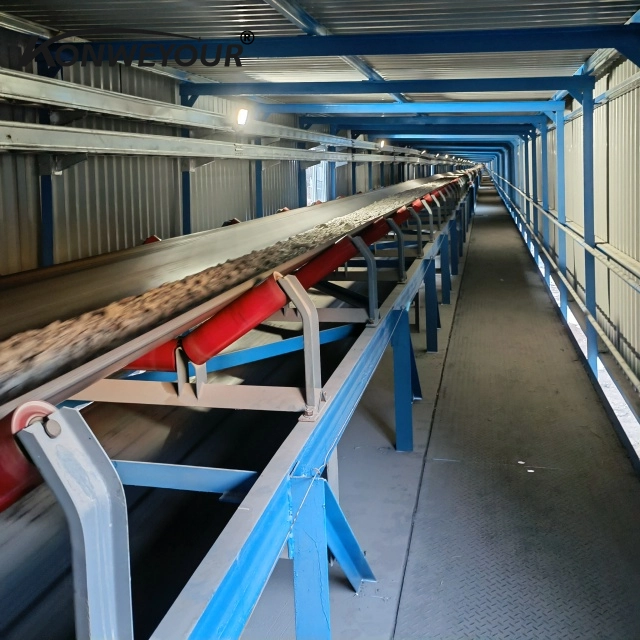
Roller conveyor rollers are the unsung heroes of countless industrial and logistical operations. These seemingly simple components are crucial for efficient material handling, streamlining processes, and boosting productivity. At JT Conveyor, we specialize in providing high-quality roller conveyor rollers tailored to diverse applications. This article will delve into the types, materials, applications, and key considerations for selecting the right rollers for your specific needs. Whether you're optimizing a warehouse, manufacturing line, or distribution center, understanding roller conveyor rollers is essential for maximizing efficiency.
Types of Roller Conveyor Rollers
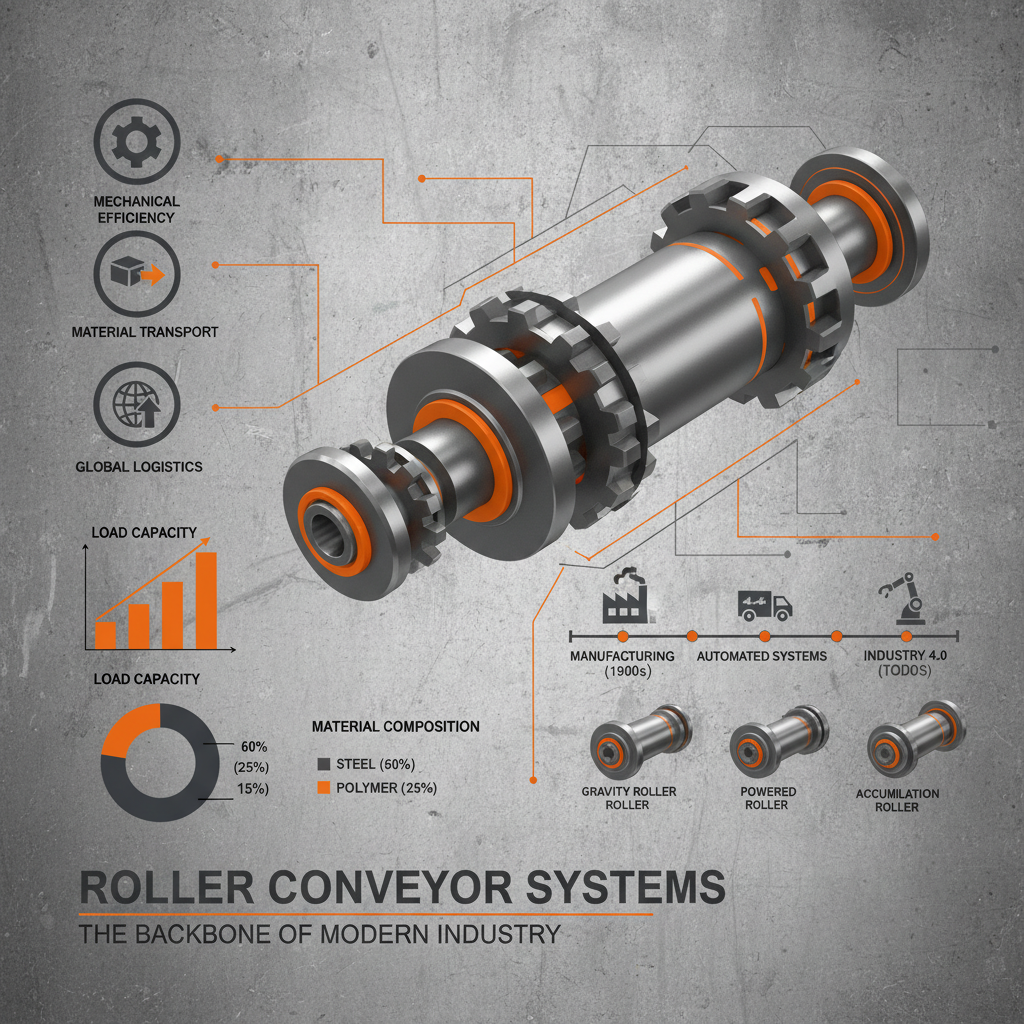
Roller conveyor rollers aren’t one-size-fits-all. They come in various types, each designed for specific applications and load capacities. The most common types include:
- Powered Rollers: These rollers are driven by a motor, providing controlled movement of the conveyed materials. Ideal for applications requiring precise positioning or accumulation.
- Non-Powered (Gravity) Rollers: Rely on gravity to move items along the conveyor. Simple, cost-effective, and suitable for lighter loads and declining slopes.
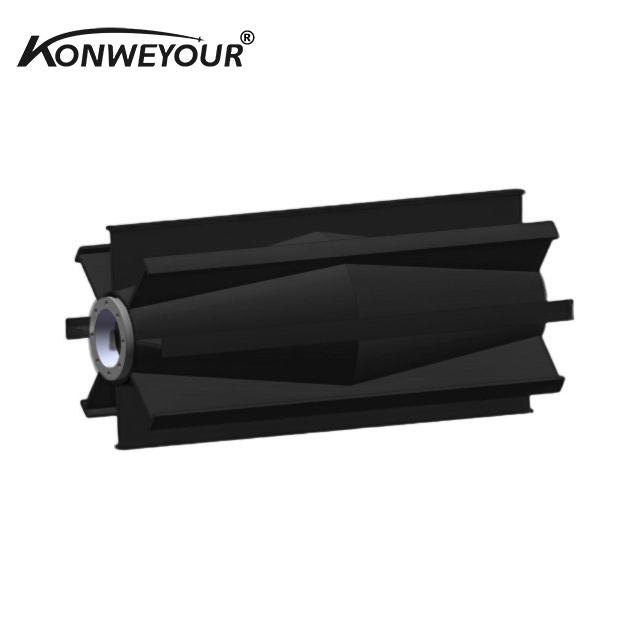
- Tapered Rollers: Designed for curving or redirecting the flow of materials. The taper allows for smooth transitions around bends.
- Spherical Rollers: Offer omnidirectional movement, making them suitable for sorting and diverting applications.
Choosing the correct type depends on your specific needs, including the weight of the conveyed materials, the distance traveled, and the required level of control. JT Conveyor offers expert guidance to help you select the optimal roller type for your application.
Key Takeaway: Properly selecting the roller type is critical for ensuring the efficiency and reliability of your conveyor system.
Material Considerations for Roller Conveyor Rollers
The material of the roller significantly impacts its durability, load capacity, and suitability for different environments. Common materials include:
- Steel: Offers high strength and durability, ideal for heavy-duty applications.
- Stainless Steel: Provides excellent corrosion resistance, making it suitable for harsh environments or applications involving wet or corrosive materials.
- PVC: Lightweight and cost-effective, often used for lighter loads and applications where noise reduction is important.
- Polypropylene: Offers good chemical resistance and is suitable for food-grade applications.
The choice of material should align with the type of materials being conveyed and the operating environment. Consider factors like temperature, humidity, and potential exposure to chemicals. JT Conveyor provides rollers in a variety of materials to meet your specific requirements.
Material Selection Guide:
• Heavy Loads: Steel or Stainless Steel
• Corrosive Environments: Stainless Steel
• Light Loads & Noise Reduction: PVC
• Food-Grade Applications: Polypropylene
Roller Conveyor Rollers: Key Applications
Roller conveyor rollers find application across a wide spectrum of industries. Here are a few prominent examples:
- Warehousing and Distribution: For moving boxes, pallets, and other goods throughout the facility.
- Manufacturing: Used in assembly lines, packaging processes, and material handling systems.
- Airport Baggage Handling: Transporting luggage efficiently and reliably.
- Postal Services: Sorting and routing packages and mail.
- Retail: Used in loading docks and back-of-house operations.
The versatility of roller conveyor rollers makes them a fundamental component of modern material handling systems. JT Conveyor provides solutions for all these applications and more.
| Application |
Roller Type |
Material |
| Warehouse Pallet Conveying |
Powered or Non-Powered |
Steel |
| Lightweight Packaging Sorting |
Spherical or Tapered |
PVC |
| Food Processing Conveying |
Non-Powered |
Polypropylene |
Factors to Consider When Selecting Roller Conveyor Rollers
Choosing the right roller conveyor rollers involves careful consideration of several factors:
- Load Capacity: Determine the maximum weight the rollers will need to support.
- Conveyor Length & Inclination: Longer conveyors and inclines require rollers with appropriate drive mechanisms.
- Environmental Conditions: Consider temperature, humidity, and potential exposure to chemicals.
- Maintenance Requirements: Some roller types require more maintenance than others.
- Budget: Roller prices vary depending on material, type, and features.
A thorough assessment of these factors will ensure you select rollers that meet your specific needs and provide long-lasting performance. JT Conveyor offers expert consultation to help you navigate these considerations.
Conclusion: Optimizing Your Operations with the Right Rollers
Investing in Quality Roller Conveyor Rollers
Selecting the right roller conveyor rollers is a crucial investment that directly impacts the efficiency, reliability, and safety of your operations. JT Conveyor provides a comprehensive range of high-quality rollers, expert guidance, and reliable support to help you optimize your material handling processes. Don’t compromise on quality – choose JT Conveyor for a smoother, more efficient future.
Frequently Asked Questions (FAQs)
What is the typical lifespan of a roller conveyor roller?
The lifespan of a roller conveyor roller depends greatly on its usage, load, maintenance, and environmental conditions. Generally, well-maintained steel rollers can last for 5-10 years or more. PVC rollers typically have a shorter lifespan, around 3-5 years, due to their susceptibility to wear and tear. Regular inspection and lubrication are crucial for maximizing roller lifespan. Factors like excessive load, contamination, and impact damage can significantly reduce their service life. JT Conveyor provides durable rollers designed for long-term performance and offers maintenance guidance to help you extend their lifespan.
How do I determine the correct load capacity for my rollers?
Determining the correct load capacity involves considering the maximum weight of the heaviest item you’ll be conveying, plus a safety factor. A good rule of thumb is to add 20-25% to the maximum weight to account for dynamic loads and potential imbalances. Also, consider the number of rollers supporting the load; distributing the weight across more rollers reduces the load on each individual roller. JT Conveyor’s team of experts can help you calculate the appropriate load capacity for your specific application and recommend the rollers best suited to handle the weight.
What maintenance is required for roller conveyor rollers?
Regular maintenance is essential for ensuring optimal performance and extending the lifespan of your rollers. This includes periodic inspection for wear and tear, cleaning to remove debris and contaminants, and lubrication of bearings. Look for signs of damage, such as cracks, dents, or flat spots. Proper lubrication reduces friction and prevents premature failure. The frequency of maintenance will depend on the operating environment and the load being conveyed. JT Conveyor offers maintenance services and can provide guidance on best practices for roller care.