Belt conveyors are fundamental to modern material handling, playing a critical role in industries ranging from agriculture and mining to logistics and manufacturing. Their ability to efficiently transport bulk materials over varying distances and terrains makes them indispensable for global trade and production. The increasing demands of e-commerce and industrial automation are driving significant growth in the belt conveyor market.
Globally, the reliance on efficient logistics is ever-increasing. According to the UN Conference on Trade and Development (UNCTAD), over 80% of global trade is carried by sea, and a substantial portion of port operations rely on conveyor systems for loading and unloading. This underscores the critical importance of robust and reliable belt conveyors in maintaining supply chain integrity. Furthermore, the World Bank estimates that infrastructure investments, including conveyor systems in resource extraction and processing, are vital for economic development in emerging economies.
The challenge lies in optimizing conveyor systems for increasing throughput, minimizing downtime, and enhancing energy efficiency. Addressing these needs requires continuous innovation in conveyor design, materials, and control systems, ultimately driving down operational costs and maximizing productivity for businesses worldwide.
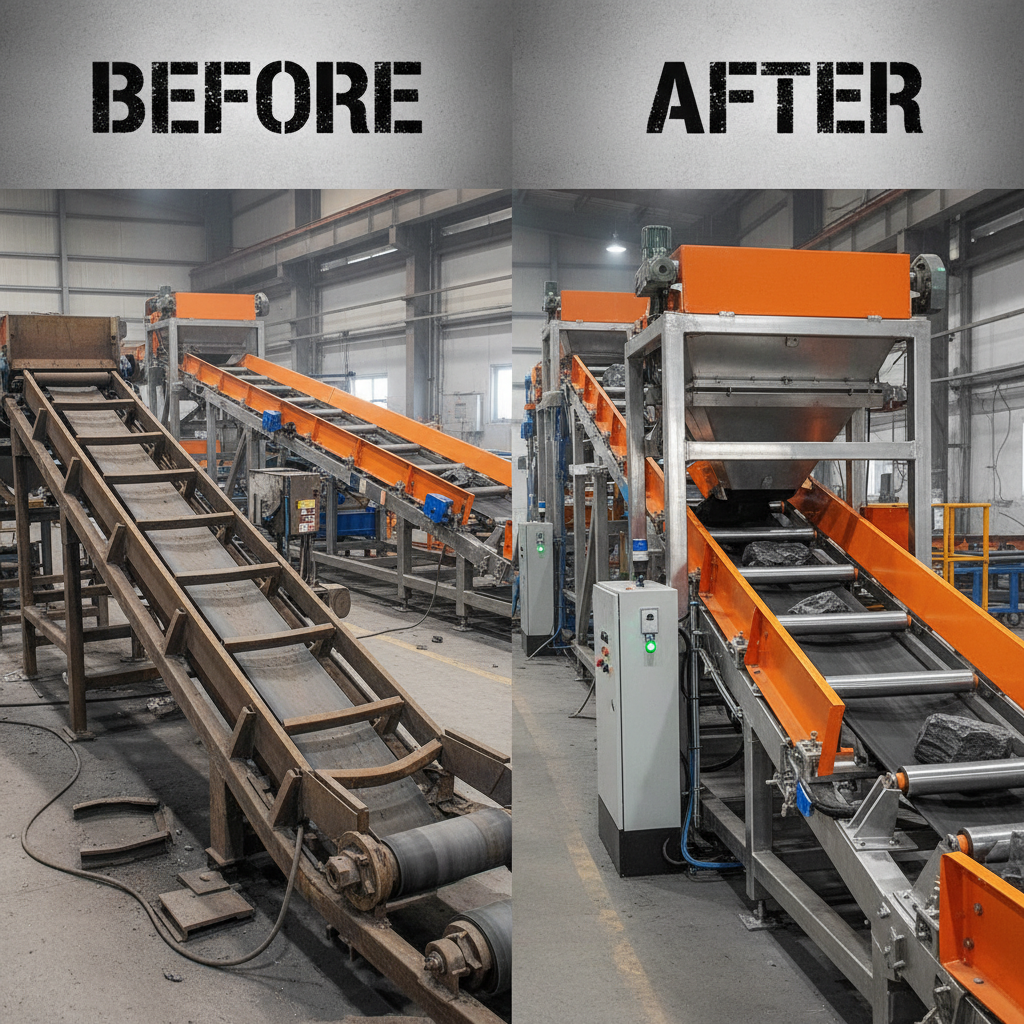
Introduction to Belt Conveyors
Belt conveyors represent a sophisticated and adaptable solution for the continuous transportation of materials. They are engineered to handle a wide spectrum of bulk materials, ranging from aggregates and grains to packaged goods and minerals. The simplicity of their core design – a moving belt supported by rollers – belies their capacity for complex integration into automated systems.
Their widespread adoption is a testament to their efficiency, reliability, and cost-effectiveness compared to other material handling methods. Furthermore, advancements in materials science and engineering continue to enhance their performance and durability, making them an increasingly vital component of modern industrial infrastructure.
Defining Belt Conveyors
At their most basic, belt conveyors are mechanical systems used for moving materials horizontally, or at an incline, from one point to another. They consist of two or more pulleys (typically a drive pulley and an idler pulley) around which a continuous loop of belt material travels. The material to be transported is placed directly onto the belt and carried along as the belt moves.
Unlike other material handling systems that rely on intermittent movement, belt conveyors offer continuous, high-volume transport, making them ideal for applications where consistent flow is crucial. They've evolved from simple, manually operated devices to highly automated, computer-controlled systems capable of handling enormous payloads with precision.
The integration of belt conveyors into modern logistics and manufacturing directly addresses the need for efficient material flow, contributing to streamlined operations and reduced handling costs across various industries.
Key Components of Belt Conveyors
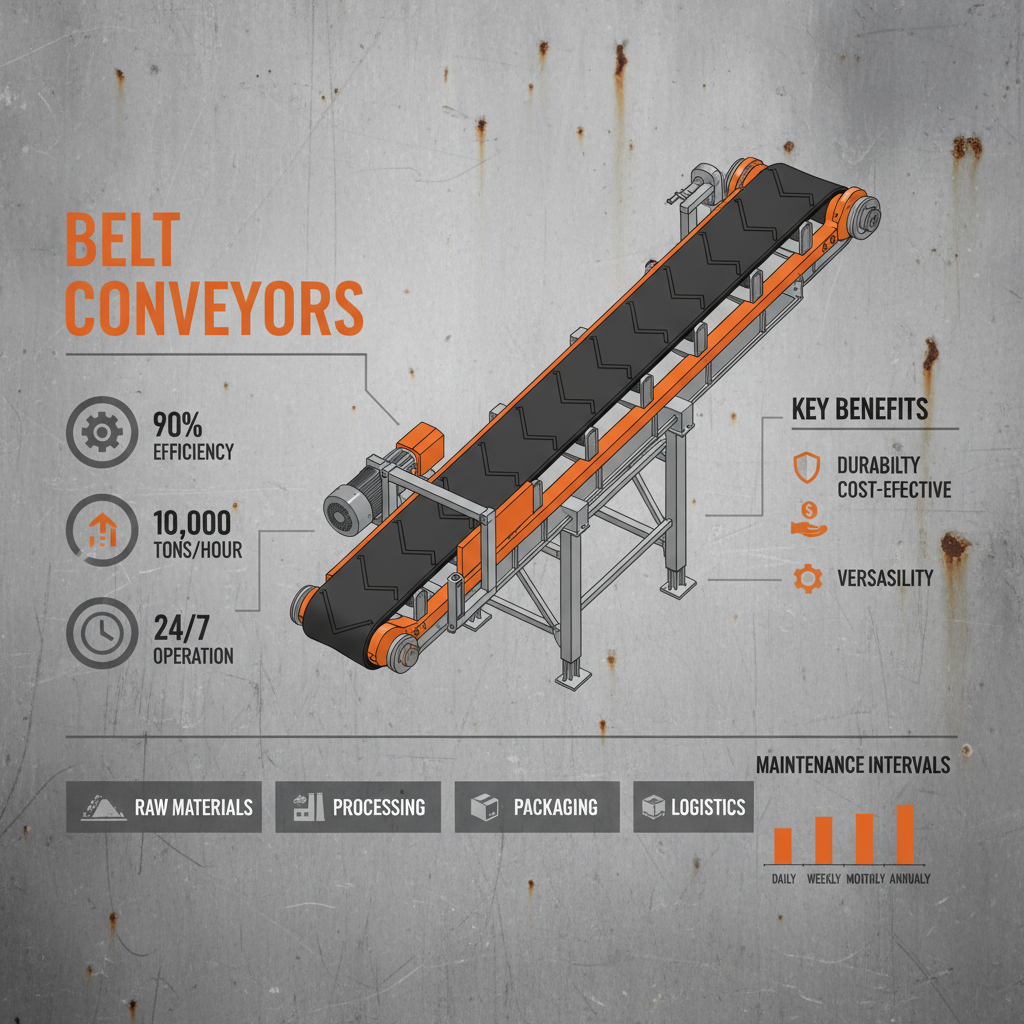
Understanding the core components is vital to appreciating the functionality of belt conveyors. The belt itself is the central element, typically constructed from materials like rubber, PVC, or polyurethane, chosen based on the material being conveyed and the operating environment. Its strength and resistance to abrasion are critical factors influencing system lifespan.
Supporting the belt are rollers (or idlers) which minimize friction and maintain belt alignment. The drive pulley, powered by an electric motor, provides the necessary traction to move the belt. Furthermore, critical safety components like emergency stop mechanisms and belt speed sensors ensure safe and reliable operation. The framework, built from steel, provides structural support and stability for the entire system.
Beyond these main elements, other components like scrapers, cleaners, and take-up systems contribute to the overall efficiency and longevity of the belt conveyor. Scrapers remove excess material buildup, cleaners maintain belt integrity, and take-up systems adjust belt tension to prevent slippage and ensure consistent performance.
Advantages of Utilizing Belt Conveyors
The benefits of implementing belt conveyors are numerous. Perhaps the most significant is their cost-effectiveness. Compared to other material handling solutions like trucks or forklifts, conveyors require less labor and have lower operational expenses over their lifespan.
Beyond cost, belt conveyors offer significant improvements in safety. By automating the movement of materials, they reduce the risk of worker injuries associated with manual handling. This translates into a healthier and more productive workforce, and helps organizations avoid costly accidents and downtime.
Belt Conveyor Performance Metrics
Global Applications of Belt Conveyors
Belt conveyors find application in a remarkably diverse range of industries worldwide. In the mining sector, they are essential for transporting ore from excavation sites to processing facilities. Agriculture relies on them for handling grain, fertilizer, and other bulk materials.
Within logistics and distribution centers, they play a crucial role in sorting and moving packages. In remote industrial zones, such as oil and gas fields, they enable the efficient transportation of materials to and from processing sites. Even in food processing, belt conveyors ensure the hygienic and efficient movement of products through various stages of production.
In post-disaster relief operations, portable belt conveyors can be rapidly deployed to move supplies and debris, aiding in recovery efforts. These adaptable systems are a cornerstone of infrastructure in countless regions.
Long-Term Value and Sustainability
Investing in belt conveyors delivers long-term value by reducing operational costs, enhancing efficiency, and improving workplace safety. The durability of modern conveyor systems, combined with minimal maintenance requirements, results in a substantial return on investment over their lifespan.
Furthermore, the increasing focus on sustainability drives the adoption of energy-efficient conveyor designs. By minimizing energy consumption and reducing waste, these systems contribute to a smaller environmental footprint. Responsible sourcing of materials and optimized designs further enhance their sustainability profile.
This blend of economic benefits, coupled with environmental responsibility, positions belt conveyors as a crucial component of a sustainable and efficient industrial future.
Future Trends in Belt Conveyor Technology
The future of belt conveyors is being shaped by several key innovations. The integration of the Industrial Internet of Things (IIoT) is enabling real-time monitoring of conveyor performance, predictive maintenance, and optimized control systems. Automation, including the use of robotics for material loading and unloading, is further streamlining operations.
Material science advancements are leading to the development of stronger, more durable, and lightweight belt materials. These new materials enhance conveyor capacity and reduce energy consumption. The pursuit of 'green' conveyor systems, powered by renewable energy sources, is gaining momentum.
Digital twin technology is also being employed to simulate and optimize conveyor system designs before physical implementation, reducing risks and improving overall performance.
Summary of Belt Conveyor Maintenance Strategies
| Maintenance Type |
Frequency |
Key Activities |
Estimated Cost (USD) |
| Preventive Maintenance |
Monthly |
Belt inspection, roller lubrication, tension adjustment, cleaning |
$200 - $500 |
| Corrective Maintenance |
As Needed |
Belt repair/replacement, motor repair, component replacement |
$500 - $2000 |
| Predictive Maintenance |
Quarterly |
Vibration analysis, thermal imaging, oil analysis |
$300 - $800 |
| Emergency Maintenance |
Unscheduled |
Immediate repair of critical failures |
$1000+ |
| Belt Cleaning System Maintenance |
Bi-Annually |
Blade replacement, scraper adjustment |
$100 - $300 |
| Drive System Inspection |
Annually |
Gearbox oil change, motor bearing check |
$400 - $700 |
FAQS
Regular maintenance is critical for maximizing the lifespan and efficiency of your belt conveyor. This includes routine belt inspections for wear and tear, lubricating rollers and bearings to minimize friction, regularly cleaning the belt to prevent material buildup, and ensuring proper belt tension. Ignoring these aspects can lead to premature failure and costly downtime.
Selecting the appropriate belt material depends on the type of material being conveyed, the operating environment, and the desired conveyor capacity. Rubber belts are versatile and suitable for many applications, while PVC belts offer greater resistance to chemicals and abrasion. Polyurethane belts are ideal for applications requiring high strength and flexibility. A careful assessment of your specific needs is essential.
Belt slippage can stem from several factors, including insufficient belt tension, a contaminated belt surface, or a worn drive pulley. Ensuring proper belt tension and maintaining a clean belt surface are crucial preventive measures. Regularly inspect the drive pulley for wear and tear, and replace it if necessary. Additionally, environmental factors like moisture or grease can contribute to slippage.
Improving energy efficiency can be achieved through several strategies. Ensure proper alignment of rollers to minimize friction. Use variable frequency drives (VFDs) to adjust motor speed based on demand. Regularly clean the belt to reduce drag. Consider using energy-efficient motors and implementing a preventative maintenance program to keep all components operating optimally.
Safety is paramount. Install emergency stop buttons within easy reach of operators. Implement guarding to prevent access to moving parts. Provide proper training for all personnel involved in the operation and maintenance of the belt conveyor. Regularly inspect safety devices to ensure they are functioning correctly.
With diligent maintenance, a belt conveyor can reliably operate for 10-20 years or even longer. However, the specific lifespan depends on the intensity of use, the materials being conveyed, and the operating environment. Regular inspections, timely repairs, and preventive maintenance are all crucial factors in maximizing the system’s longevity.
Conclusion
Belt conveyors are indispensable components of modern industry, driving efficiency, reducing costs, and enhancing safety across a diverse range of applications. Their adaptability, coupled with continuous innovation in materials and technology, ensures their continued relevance in an increasingly demanding global landscape. Understanding the core principles, advantages, and future trends surrounding these systems is crucial for optimizing operations and maximizing return on investment.
Looking ahead, embracing new technologies like IIoT and automation will further unlock the potential of belt conveyors, creating smarter, more efficient, and sustainable material handling solutions. By prioritizing preventative maintenance, responsible material sourcing, and continuous improvement, businesses can leverage the long-term value of these essential systems. Visit our website at www.jtconveyor.com to learn more about how we can help you optimize your material handling needs.