Understanding Conveyor Belt Rollers: A Comprehensive Guide
Conveyor belt rollers are fundamental components in material handling systems, playing a crucial role in the efficient and reliable movement of goods. These seemingly simple components are engineered with precision to ensure smooth operation, minimize friction, and withstand demanding industrial environments. This article will delve into the different types of conveyor belt rollers, their applications, key considerations for selection, and best practices for maintenance. Choosing the right rollers can significantly impact your system’s performance and longevity.
Types of Conveyor Belt Rollers
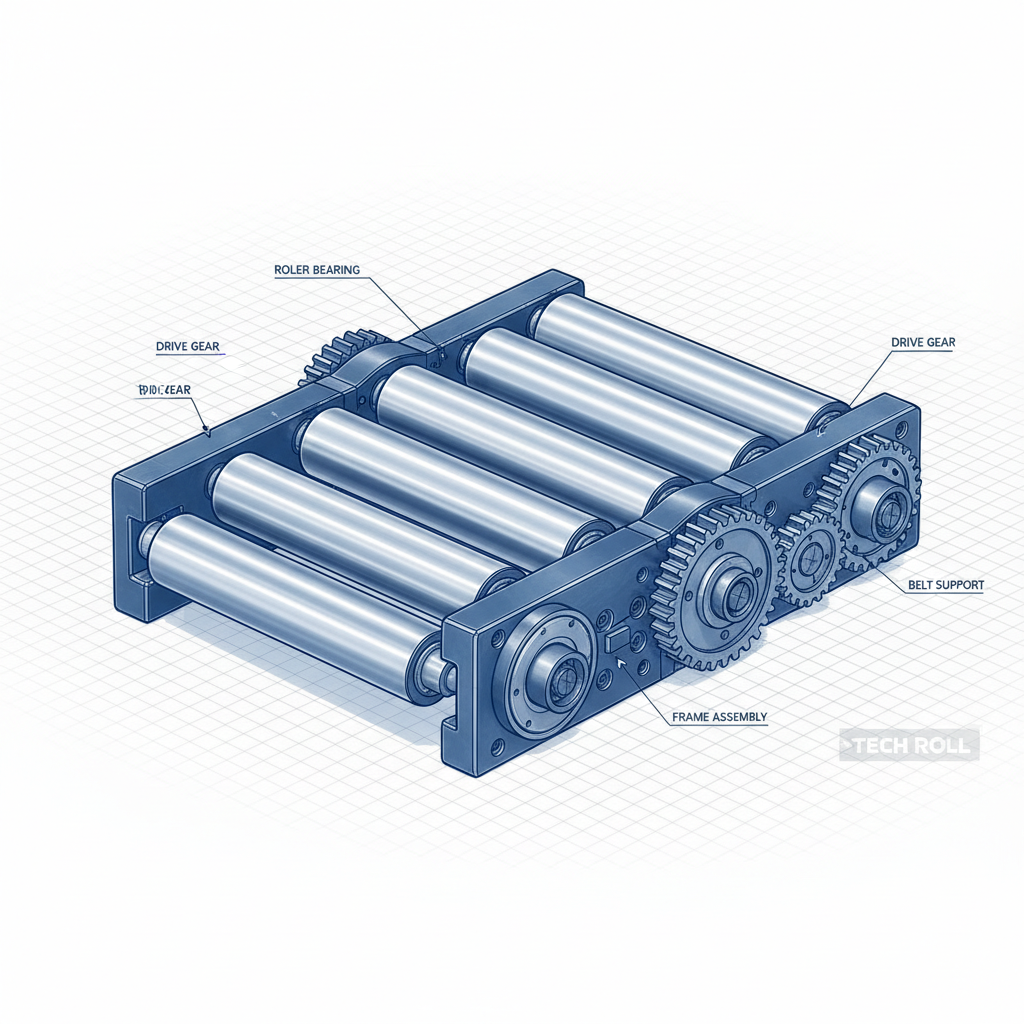
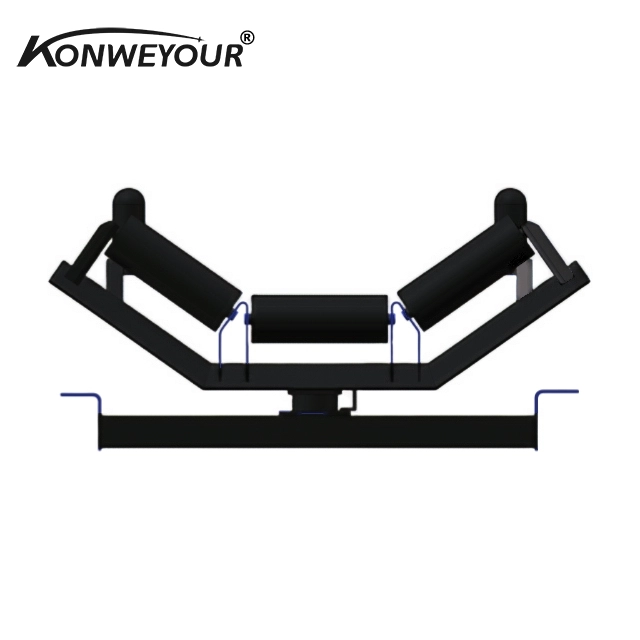
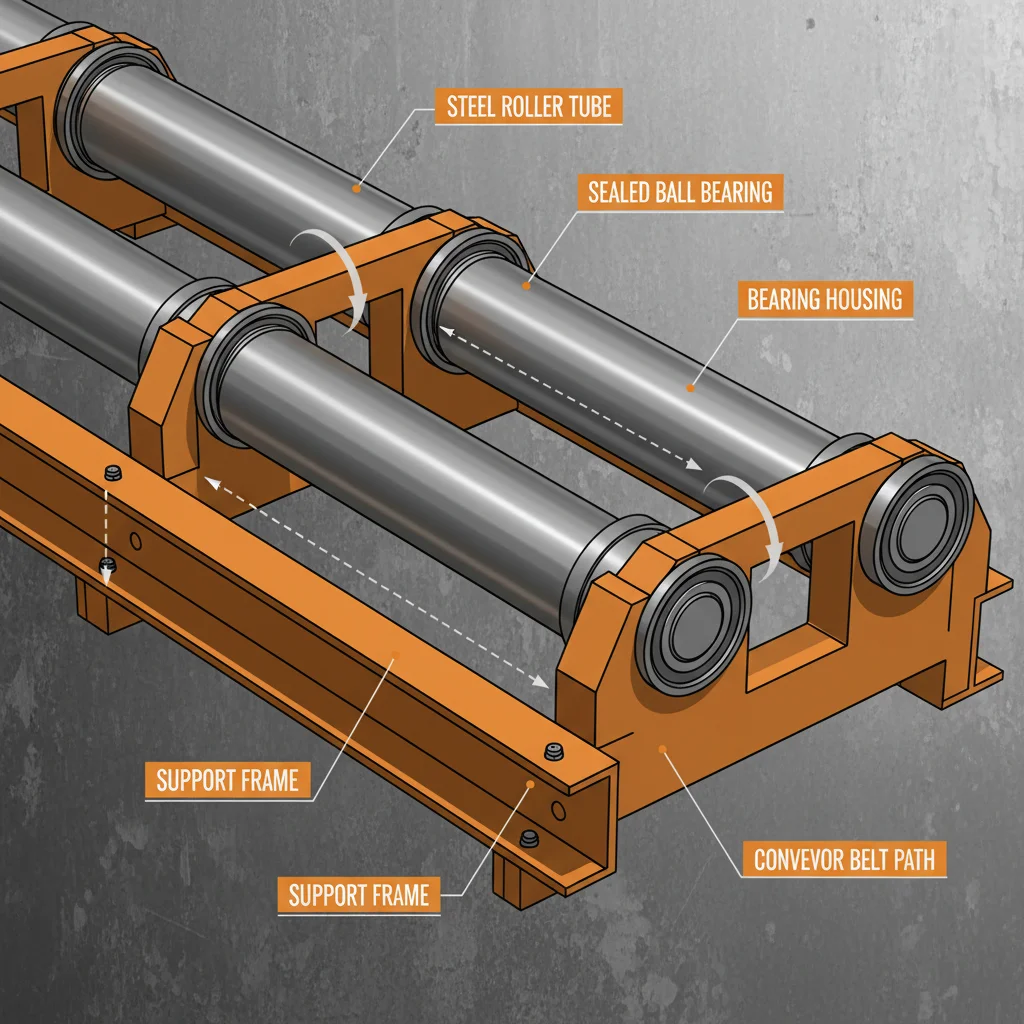
Conveyor belt rollers are available in a variety of designs, each suited to specific applications and load requirements. The most common types include:
- Carrying Rollers: Support the conveyor belt and the carried material.
- Return Rollers: Support the returning side of the conveyor belt.
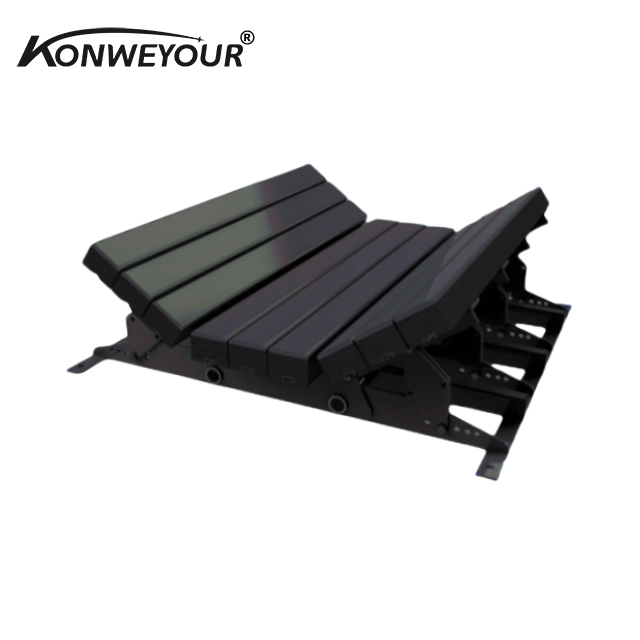
- Impact Rollers: Designed to absorb the impact of falling materials, typically used at loading points.
- Tapered Rollers: Used to assist in belt tracking and alignment.
- Wing Rollers: Feature wings that help to center the belt and prevent it from wandering.
The material of the rollers also varies depending on the application, with options including steel, stainless steel, PVC, and polyurethane. Selecting the appropriate material is critical for ensuring durability and preventing contamination.
Choosing the Right Conveyor Belt Rollers for Your Application
Selecting the optimal conveyor belt rollers requires a careful assessment of several factors. These include the type of material being conveyed, the weight of the load, the conveyor speed, and the environmental conditions. For example, abrasive materials necessitate rollers made from durable materials like steel or stainless steel, while corrosive environments demand corrosion-resistant options.
Key Considerations: Load capacity, material compatibility, environmental factors, and conveyor speed are all vital elements to consider when choosing conveyor belt rollers.
Impact of Roller Quality on Conveyor System Performance
The quality of conveyor belt rollers directly impacts the overall performance and lifespan of your conveyor system. High-quality rollers contribute to reduced friction, smoother operation, and minimized wear and tear on the belt. Inferior rollers can lead to increased energy consumption, belt misalignment, and premature failure. Investing in durable, well-engineered rollers is a cost-effective strategy in the long run.
Benefits of High-Quality Rollers:
• Reduced friction and energy consumption
• Smoother material handling
• Extended belt lifespan
• Minimized downtime and maintenance
Comparing Roller Materials: Steel vs. PVC vs. Stainless Steel
Choosing the right roller material is crucial. Here's a comparison:
| Material |
Pros |
Cons |
Typical Applications |
| Steel |
High load capacity, durable, cost-effective |
Prone to corrosion, can be noisy |
Heavy-duty applications, mining, aggregate |
| PVC |
Quiet operation, lightweight, corrosion-resistant |
Lower load capacity, less durable than steel |
Food processing, packaging, light-duty applications |
| Stainless Steel |
Corrosion-resistant, hygienic, durable |
More expensive than steel or PVC |
Food processing, pharmaceutical, chemical industries |
Proper Maintenance for Extended Roller Lifespan
Regular maintenance is essential for maximizing the lifespan of your conveyor belt rollers. This includes routine inspections for wear and tear, lubrication of bearings, and alignment checks. Addressing issues promptly can prevent costly downtime and ensure the continued efficient operation of your system. JT Conveyor offers a range of maintenance services to help you keep your rollers in optimal condition.
Conclusion: Investing in Quality and Maintenance
Selecting the right conveyor belt rollers is a critical decision that impacts your system’s efficiency, reliability, and long-term cost-effectiveness. By carefully considering the application requirements, material options, and the importance of regular maintenance, you can ensure optimal performance and minimize downtime. JT Conveyor provides a comprehensive range of high-quality rollers and expert support to meet your specific needs.
Frequently Asked Questions (FAQs)
What is the typical lifespan of a conveyor belt roller?
The lifespan of a conveyor belt roller varies greatly depending on operating conditions, load, maintenance, and the quality of the roller itself. Generally, well-maintained steel rollers can last 5-10 years, while PVC rollers might have a lifespan of 3-7 years. Stainless steel rollers, due to their corrosion resistance, often have the longest lifespan, potentially exceeding 10 years. Regular inspections and lubrication are crucial for extending the life of any roller type. Factors like exposure to abrasive materials, extreme temperatures, and improper alignment can significantly reduce lifespan.
How often should conveyor belt rollers be lubricated?
The frequency of lubrication depends on the roller type and operating conditions. As a general guideline, lubricate steel rollers every 3-6 months, or more frequently in dusty or harsh environments. Sealed-for-life rollers require no lubrication. Using the correct type of lubricant is also critical – consult the roller manufacturer's recommendations. Proper lubrication reduces friction, minimizes wear, and extends roller lifespan. A maintenance schedule should be established and consistently followed.
What are the signs that a conveyor belt roller needs to be replaced?
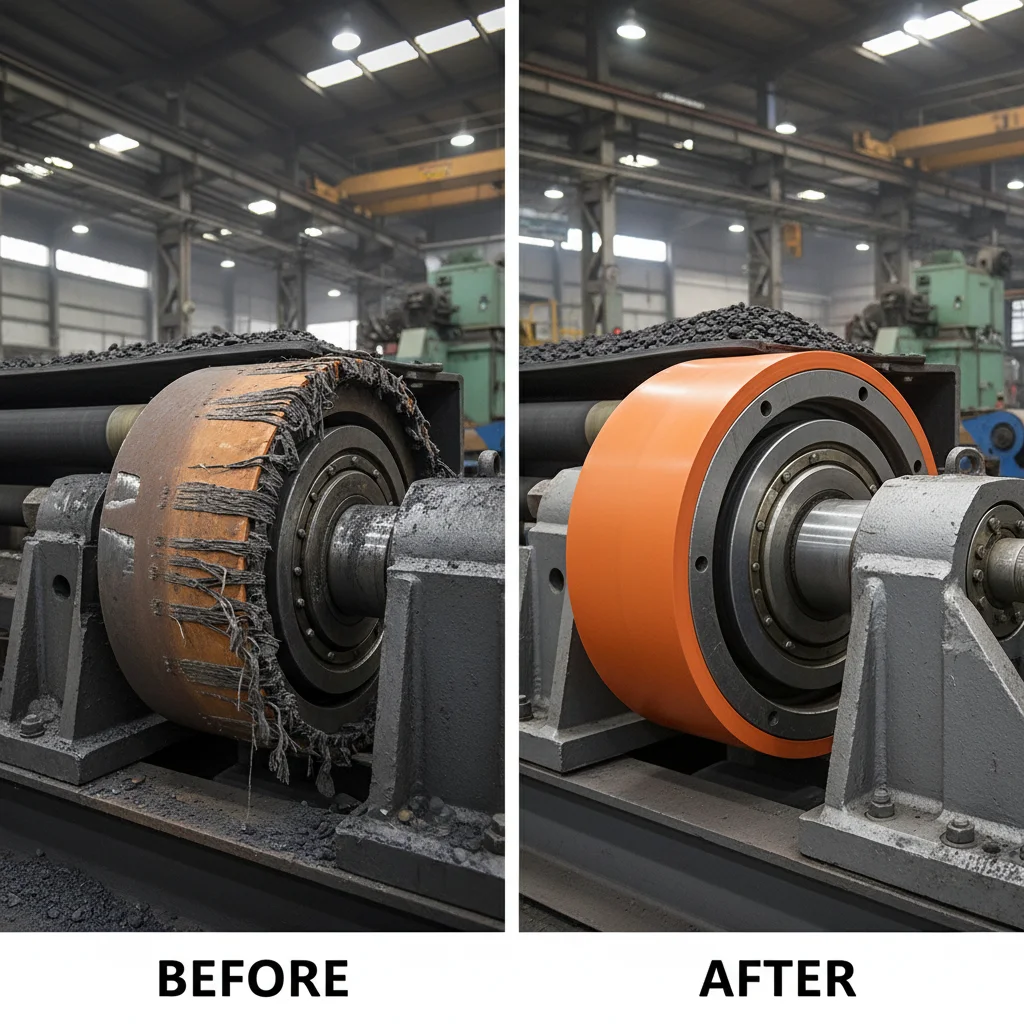
Several signs indicate a roller needs replacing. These include unusual noises (squealing, grinding), visible wear or damage (cracks, dents), difficulty in rotation, excessive vibration, and evidence of bearing failure. If a roller is causing belt misalignment or uneven load distribution, it should be inspected and replaced if necessary. Ignoring these signs can lead to more significant system failures and costly downtime. Regular visual inspections are key.