Conveyor Belt Rollers for Sale: A Comprehensive Guide
Finding the right conveyor belt rollers for sale is crucial for maintaining a smooth and efficient material handling system. Whether you need replacement rollers or are setting up a new conveyor line, understanding your options and choosing quality components is essential. This guide will explore different types of conveyor rollers, key considerations when purchasing, and how JT Conveyor can meet your specific needs. Investing in the right rollers minimizes downtime, reduces maintenance costs, and ensures the longevity of your conveyor system.
Types of Conveyor Belt Rollers
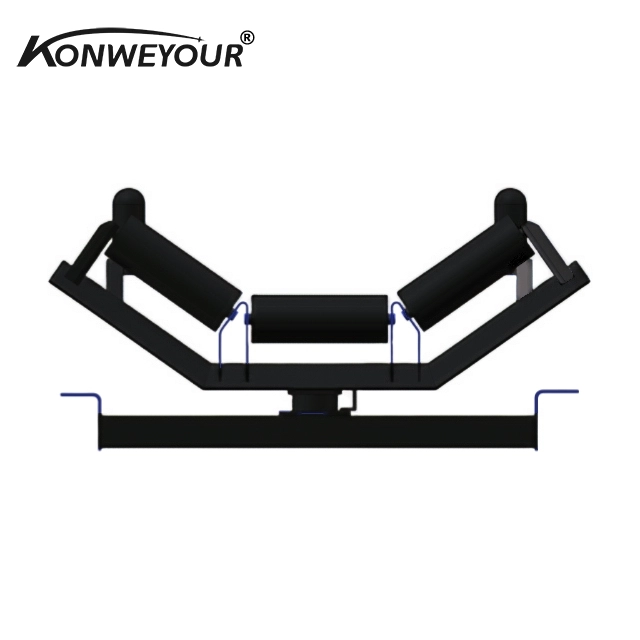
Conveyor belt rollers come in a variety of types, each designed for specific applications and load requirements. Some of the most common types include:
- Carrying Rollers: Support the conveyor belt and the materials being carried.
- Return Rollers: Support the return side of the conveyor belt.
- Idler Rollers: Guide the belt and help maintain its alignment.
- Tapered Rollers: Used for curving or directing the conveyor belt.
- Impact Rollers: Designed to withstand the impact of heavy materials being loaded onto the belt.
- Rubber Lagging Rollers: Feature a rubber coating to increase friction and prevent slippage.
Before purchasing conveyor rollers, several factors should be considered to ensure optimal performance and longevity. These include the load capacity, belt speed, material being conveyed, operating environment, and roller diameter. Choosing the correct roller type and specifications can significantly impact the efficiency and reliability of your conveyor system. It's also vital to consider the bearing type and seal quality to ensure durability and reduce maintenance requirements.
Key Highlights: Proper roller selection minimizes downtime, reduces maintenance, and extends the life of your conveyor system.
Material and Construction of Conveyor Rollers
Conveyor rollers are typically constructed from steel, often with a protective coating to resist corrosion and wear. The type of steel and coating will vary depending on the application and operating environment. Common materials include carbon steel, stainless steel, and galvanized steel. The bearings used within the rollers are also crucial; sealed ball bearings are a popular choice due to their durability and low maintenance. Choosing the right materials ensures that the rollers can withstand the demands of your specific application and provide reliable performance over time.
Material Considerations:
• Carbon Steel: Cost-effective, suitable for general applications.
• Stainless Steel: Excellent corrosion resistance, ideal for harsh environments.
• Galvanized Steel: Offers good corrosion resistance at a lower cost than stainless steel.
Comparing Roller Types: A Detailed Overview
Choosing the optimal roller type requires understanding their strengths and weaknesses. Here's a comparison table to help you make an informed decision:
| Roller Type |
Load Capacity |
Application |
Cost |
| Carrying Roller |
High |
General material handling |
Moderate |
| Return Roller |
Moderate |
Supporting return belt |
Low |
| Impact Roller |
Very High |
Loading zones |
High |
| Tapered Roller |
Moderate |
Curving Conveyors |
Moderate |
Why Choose JT Conveyor for Your Roller Needs?
JT Conveyor is a leading supplier of high-quality conveyor belt rollers. We offer a wide selection of rollers to suit various applications and budgets. Our commitment to quality, competitive pricing, and excellent customer service sets us apart. We provide expert advice to help you choose the right rollers for your specific needs and ensure a seamless installation process. We also offer custom roller solutions for unique applications. Contact us today to discuss your project.
Conclusion: Ensuring Smooth Operations with Quality Rollers
Investing in high-quality conveyor belt rollers from a trusted supplier like JT Conveyor is essential for maintaining a reliable and efficient material handling system. By understanding your specific needs and choosing the right roller type, you can minimize downtime, reduce maintenance costs, and ensure long-term performance. Don't compromise on quality – choose JT Conveyor for all your roller requirements.
Frequently Asked Questions (FAQs)
What is the typical lifespan of a conveyor roller?
The lifespan of a conveyor roller varies depending on factors such as load, speed, operating environment, and maintenance. Generally, well-maintained rollers can last between 5 to 10 years. However, in harsh conditions or with heavy loads, they may need replacement sooner. Regular inspections for wear and tear, lubrication of bearings, and proper alignment are crucial for extending their lifespan. JT Conveyor offers durable rollers designed for long-term performance, and our team can provide guidance on optimal maintenance practices.
What factors affect the load capacity of a conveyor roller?
Several factors influence the load capacity of a conveyor roller, including the roller's diameter, material, and bearing type. Larger diameter rollers generally have higher load capacities. The type of steel used also plays a role; stronger materials can withstand heavier loads. Additionally, the quality and type of bearings impact the roller's ability to support weight. Proper roller spacing and belt tension are also critical for distributing the load effectively. JT Conveyor can help you select rollers with the appropriate load capacity for your specific application.
Does JT Conveyor offer custom conveyor roller solutions?
Yes, JT Conveyor specializes in providing custom conveyor roller solutions to meet unique application requirements. We can manufacture rollers to specific dimensions, materials, and bearing configurations. Our engineering team can work with you to design and fabricate rollers that perfectly fit your needs, whether it's for a specialized conveyor system or a challenging operating environment. Contact our team to discuss your custom roller project.
How often should conveyor rollers be inspected?
Conveyor rollers should be inspected regularly, ideally as part of a routine maintenance schedule. A thorough inspection should be performed at least monthly, or more frequently in demanding applications. Check for signs of wear, such as damaged bearings, cracks in the shell, or misalignment. Lubricate bearings as needed and replace any rollers that show signs of significant damage. Regular inspections can help prevent unexpected downtime and costly repairs.