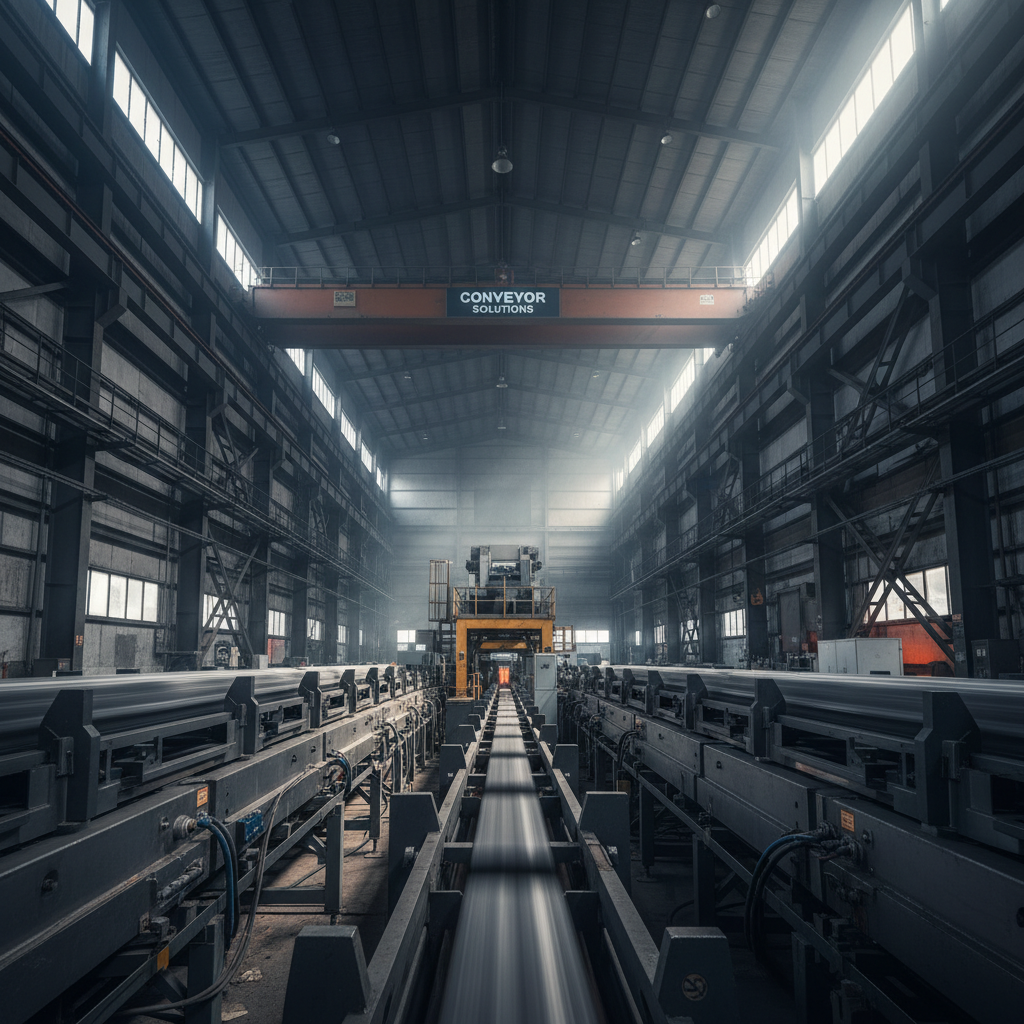
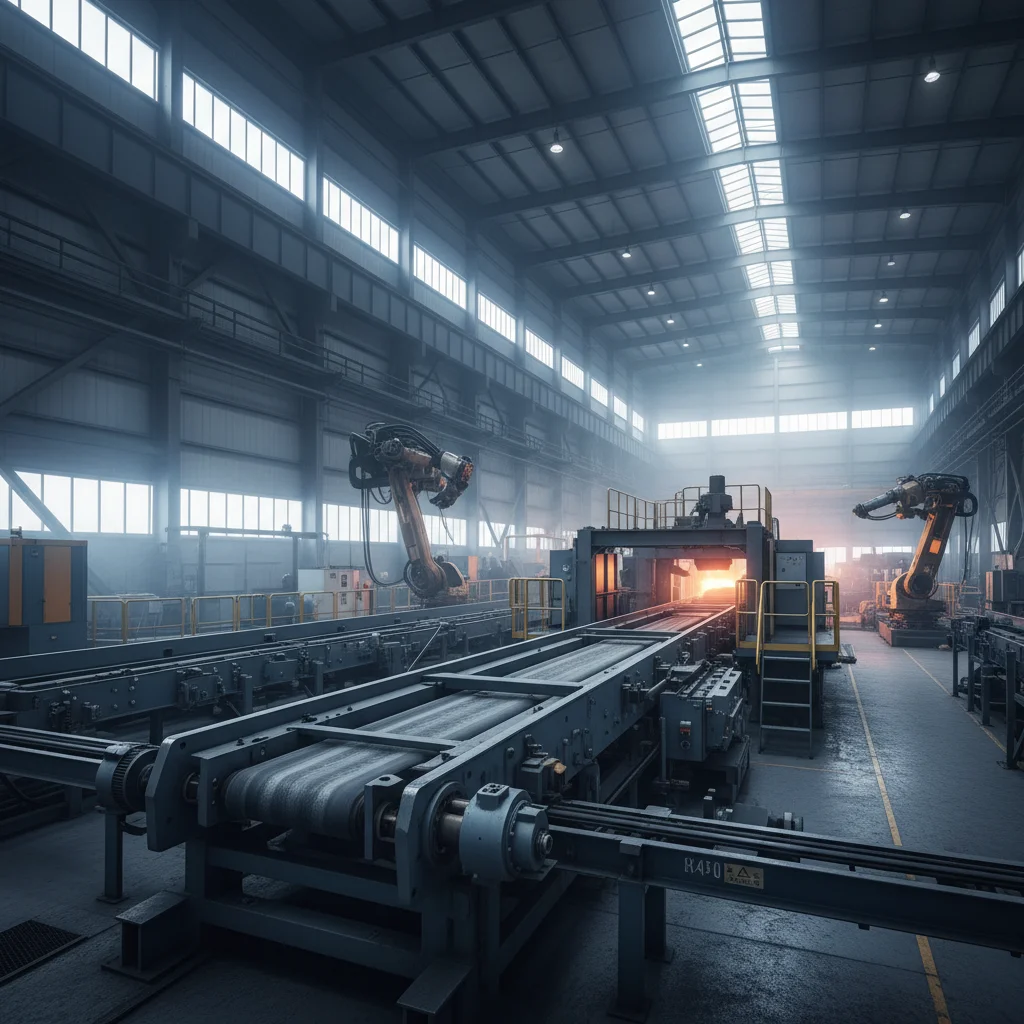
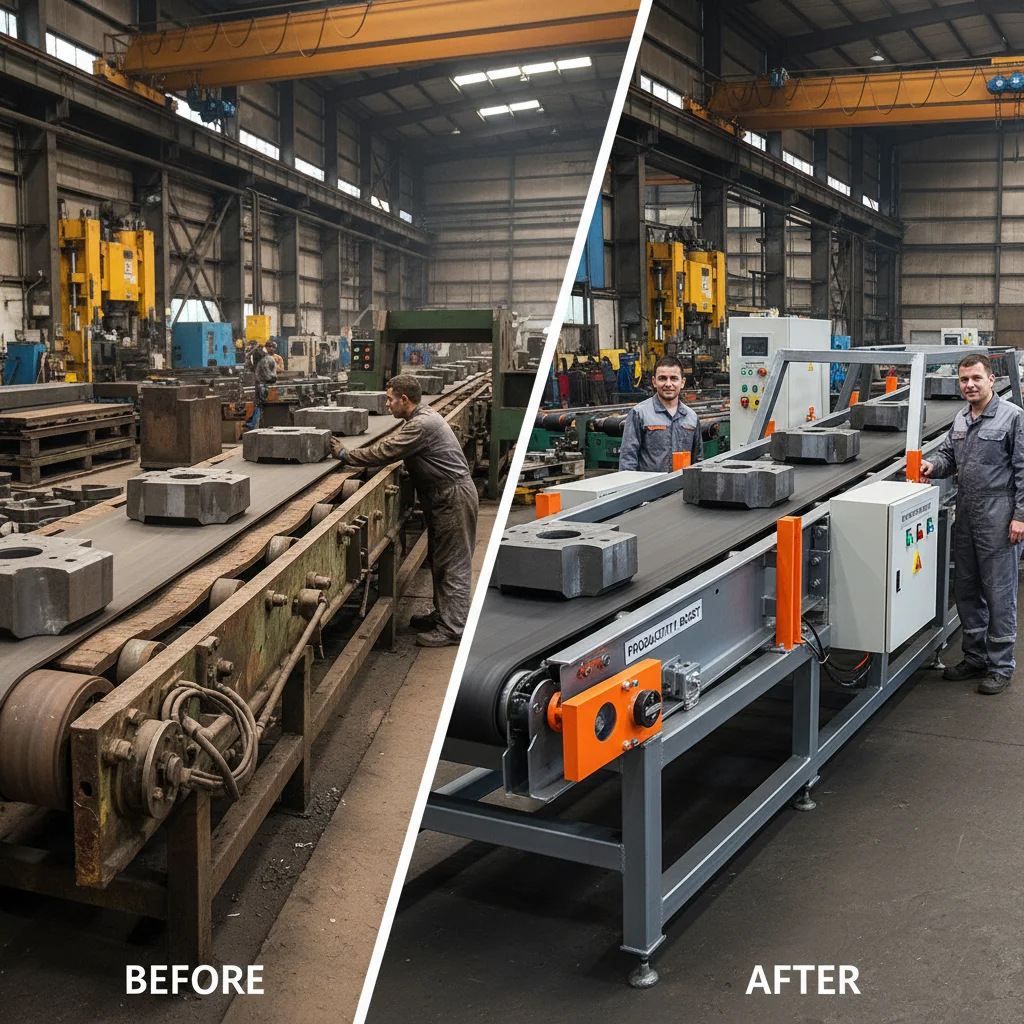
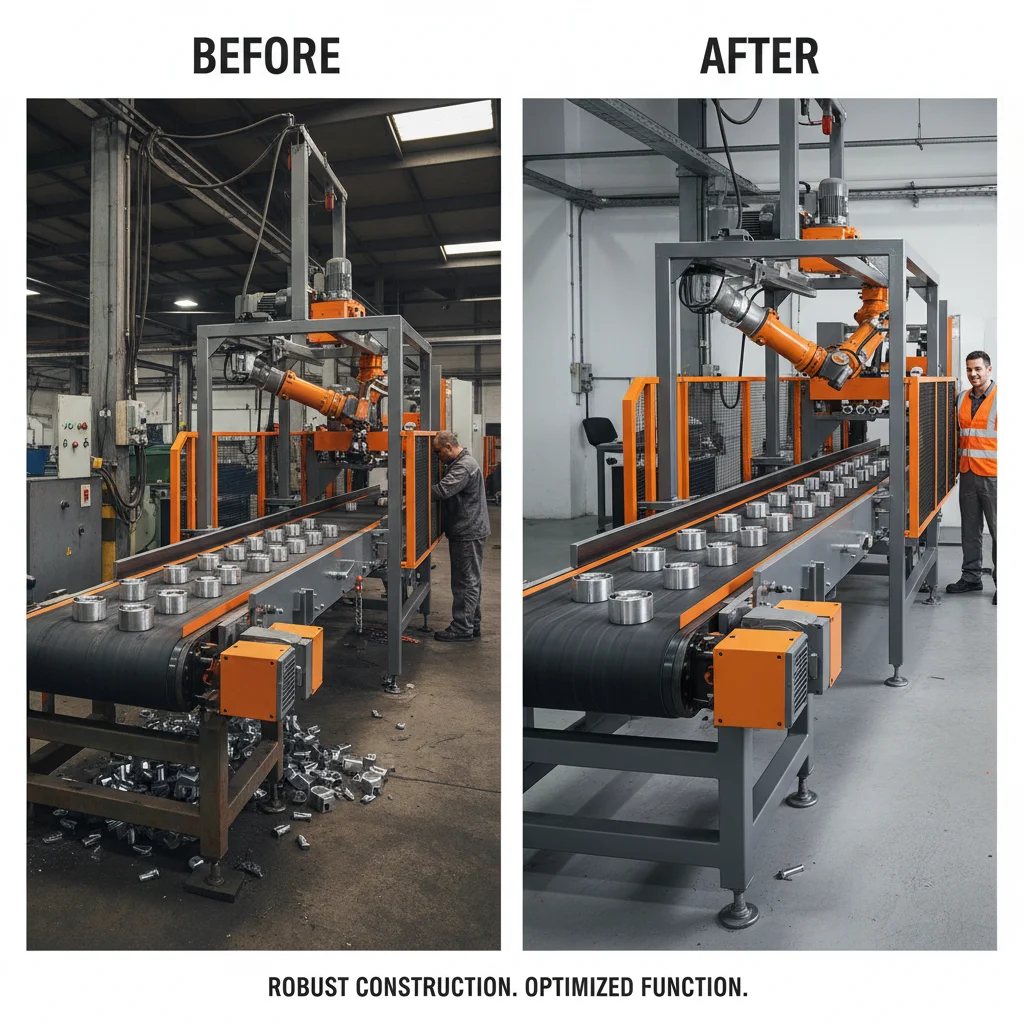
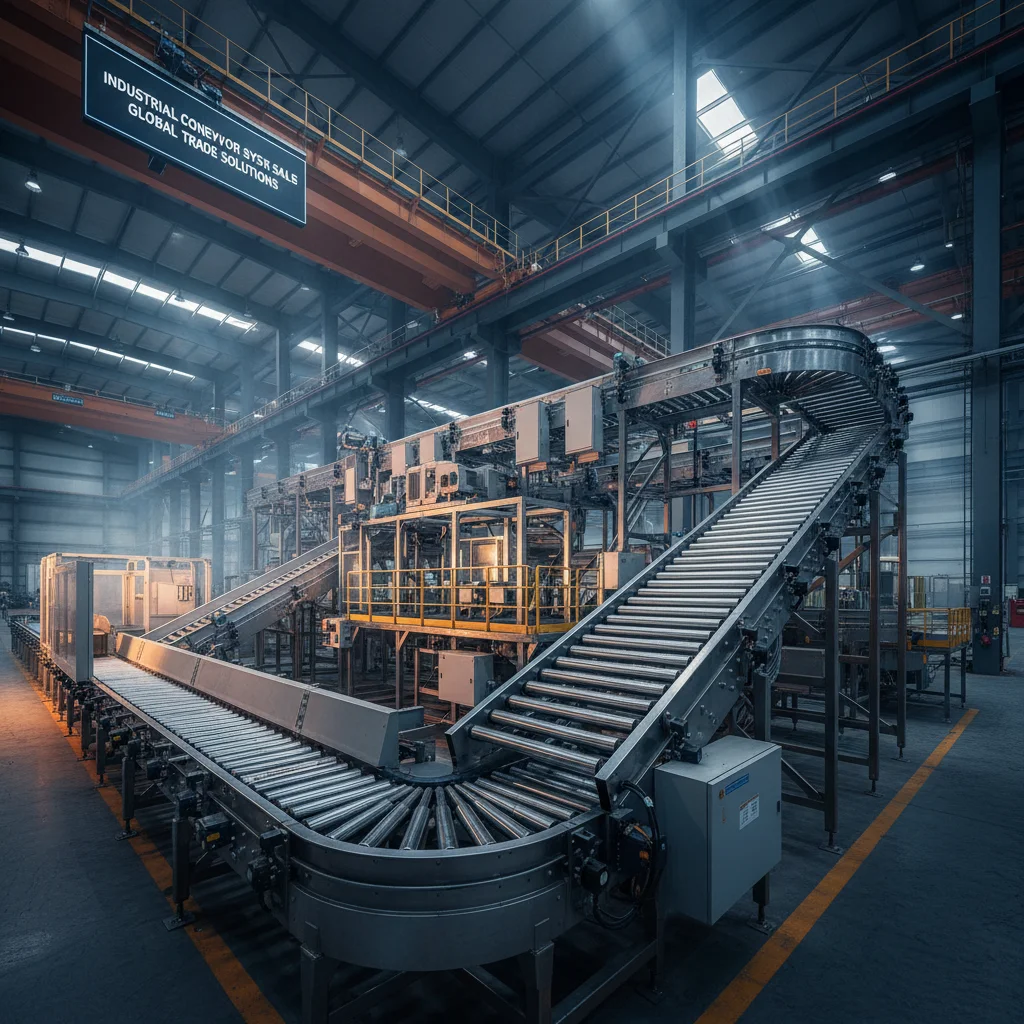
Conveyor design companies are fundamental to the smooth operation of countless industries worldwide, from manufacturing and logistics to agriculture and mining. Their expertise ensures the efficient and reliable movement of materials, boosting productivity and reducing operational costs. As global trade continues to expand and supply chains become increasingly complex, the demand for innovative and adaptable conveyor systems is constantly rising, making skilled conveyor design companies more vital than ever. This has a ripple effect, influencing everything from warehouse automation to large-scale infrastructure projects.
The importance of these companies extends beyond mere efficiency. Well-designed conveyor systems enhance workplace safety by minimizing manual handling and reducing the risk of accidents. Furthermore, optimized material flow contributes to sustainable practices by reducing energy consumption and waste. The United Nations Sustainable Development Goals, particularly those related to responsible consumption and production (Goal 12) and decent work and economic growth (Goal 8), are directly impacted by the quality of conveyor systems implemented globally.
Investing in robust conveyor design is not simply a capital expenditure; it’s a strategic investment that yields long-term benefits, contributing to economic growth, enhanced safety, and environmental sustainability. As such, understanding the capabilities and offerings of leading conveyor design companies is crucial for businesses seeking to optimize their operations and remain competitive in the global market.
Introduction: The Role of conveyor design companies
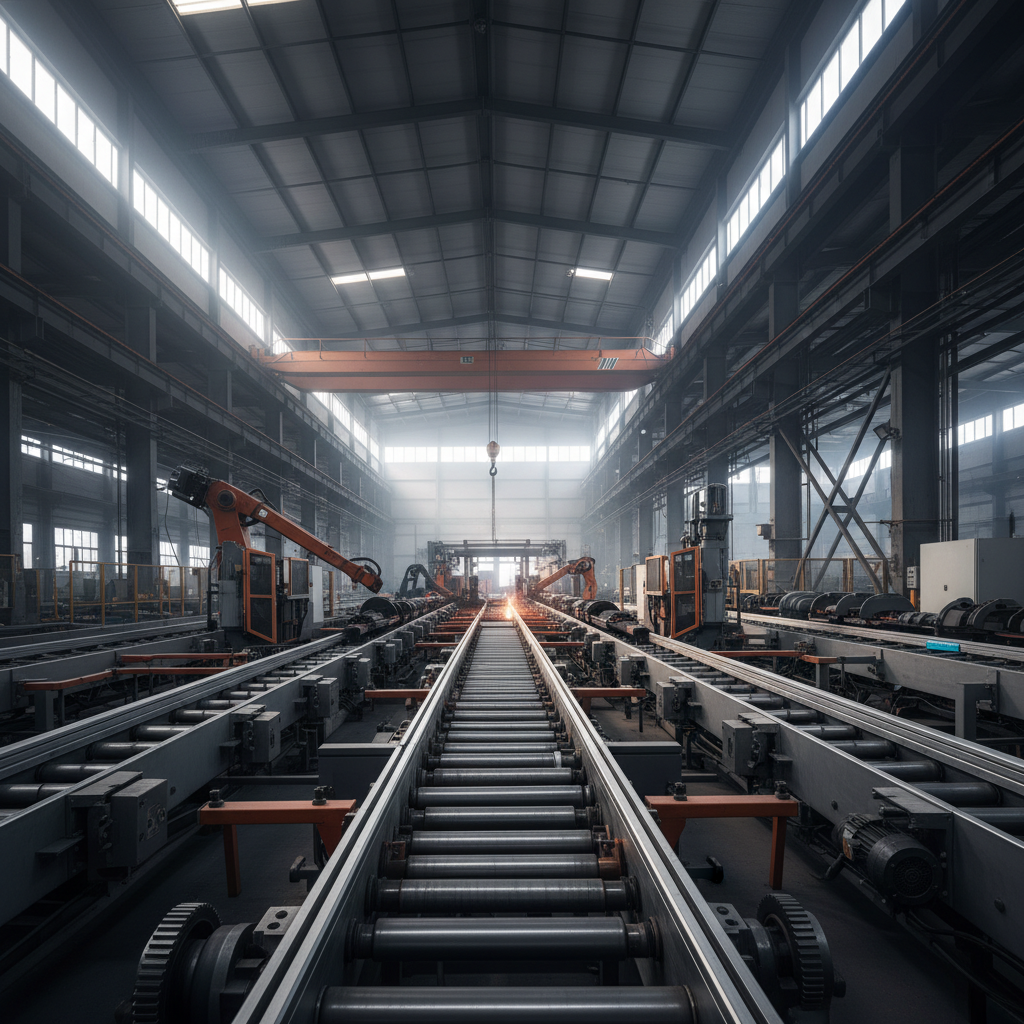
Conveyor design companies act as the backbone of material handling solutions across a vast spectrum of industries. They don’t simply sell equipment; they engineer integrated systems tailored to specific client needs, factoring in everything from product characteristics and throughput requirements to facility layout and safety regulations. Their expertise encompasses not only the design and fabrication of conveyors but also their installation, maintenance, and ongoing support.
The impact of effective conveyor systems is often underestimated. A well-designed system can dramatically reduce labor costs, minimize product damage, improve inventory control, and enhance overall operational efficiency. These benefits translate into significant competitive advantages for businesses in today's demanding marketplace. Consequently, selecting the right conveyor design companies is a critical decision with far-reaching implications.
Defining conveyor design companies
At its core, a conveyor design company specializes in the conceptualization, engineering, and implementation of systems that automatically transport materials from one location to another. This encompasses a wide range of conveyor types, including belt conveyors, roller conveyors, chain conveyors, pneumatic conveyors, and more, each suited for different materials and applications. However, the role extends beyond just selecting the appropriate conveyor type.
These companies provide comprehensive services, including site assessments, system layout design, detailed engineering drawings, component sourcing, fabrication, installation supervision, and ongoing maintenance support. They work closely with clients to understand their specific needs and develop customized solutions that optimize material flow and improve operational efficiency. The scope of work can vary from simple, standalone conveyor systems to complex, integrated automation solutions.
Essentially, a conveyor design companies bridges the gap between material handling challenges and efficient, reliable solutions, playing a vital role in modern industrial and logistical operations.
Core Components of Effective Conveyor Design
Effective conveyor design relies on a combination of critical components. Durability is paramount; systems must withstand continuous operation and the wear and tear associated with the materials being conveyed. This requires careful selection of materials, robust construction techniques, and consideration of environmental factors. Scalability is also vital, allowing systems to adapt to changing production demands or future expansion.
Cost efficiency is a significant consideration, encompassing not only the initial investment but also ongoing maintenance and energy consumption. Intelligent design minimizes wasted materials and optimizes energy usage. Integration is another key element – the conveyor system must seamlessly integrate with existing processes and automation systems. Finally, safety features, adhering to stringent industry standards, are non-negotiable, protecting workers and preventing accidents.
These components are not independent; they are interconnected and must be balanced to achieve an optimal solution. For example, prioritizing durability may increase initial costs but could lead to lower long-term maintenance expenses. Similarly, focusing solely on cost efficiency might compromise scalability or safety. A skilled conveyor design companies excels at navigating these trade-offs and delivering solutions that meet the specific requirements of each client.
The success of a conveyor system also hinges on proper commissioning and ongoing support. Effective training for operators and maintenance personnel is crucial for ensuring long-term reliability and maximizing system uptime. Proactive maintenance programs, utilizing predictive analytics and remote monitoring, can help identify potential issues before they escalate into costly downtime.
Key Factors in conveyor design companies Performance
A conveyor design company's performance is evaluated on several key metrics. Responsiveness to client needs – understanding unique challenges and delivering tailored solutions – is a foundational aspect. Engineering expertise, demonstrated through innovative designs and a deep understanding of material handling principles, is crucial.
Project management capabilities, ensuring on-time and within-budget delivery, are also critical. The ability to provide comprehensive support, from installation and commissioning to ongoing maintenance and troubleshooting, adds significant value.
Performance Metrics for conveyor design companies
Global Applications of conveyor design companies
The applications of conveyor systems designed by specialized companies are incredibly diverse, spanning industries across the globe. In manufacturing, conveyors are essential for assembly lines, transporting components and finished products. Within the logistics and warehousing sector, they automate sorting, order fulfillment, and package handling.
In mining and aggregate industries, heavy-duty conveyors move massive volumes of materials efficiently and safely. The food and beverage industry relies on sanitary conveyor systems for processing and packaging. Even in airports, baggage handling systems are sophisticated conveyor networks. From post-disaster relief operations, where conveyors can rapidly distribute aid, to remote industrial zones requiring reliable material transport, the versatility of conveyor systems is undeniable.
Advantages and Long-Term Value
Investing in a well-designed conveyor system from a reputable conveyor design companies offers numerous tangible benefits. Reduced labor costs, increased throughput, minimized product damage, and improved workplace safety are all common outcomes. These benefits translate into significant cost savings and increased profitability. Moreover, optimized material flow contributes to sustainable practices by reducing energy consumption and waste.
However, the value extends beyond pure economics. Enhanced safety fosters a more positive work environment and reduces the risk of costly accidents. A reliable conveyor system builds trust with clients and stakeholders. Innovation in conveyor technology demonstrates a commitment to continuous improvement and positions a company as a leader in its industry. Ultimately, the long-term value lies in a strategic investment that drives efficiency, sustainability, and growth.
Future Trends and Innovations
The future of conveyor systems is being shaped by several key trends. Automation, powered by artificial intelligence and machine learning, is enabling smarter and more responsive conveyor systems capable of self-optimization and predictive maintenance. Digital twin technology, creating virtual replicas of physical conveyor systems, allows for simulation and optimization before implementation.
Sustainability is a growing focus, with the development of energy-efficient conveyor components and the integration of renewable energy sources. Modular conveyor designs are gaining popularity, offering greater flexibility and ease of modification. The increasing adoption of Industry 4.0 principles, connecting conveyor systems to broader data networks, is driving greater transparency and control.
Briefly summarize the core of "Theme Seven"
| Conveyor Type |
Application Area |
Maintenance Frequency |
Cost of Ownership |
| Belt Conveyor |
Aggregate Handling |
Bi-Annual |
$5,000 - $15,000 |
| Roller Conveyor |
Package Sorting |
Monthly |
$2,000 - $8,000 |
| Chain Conveyor |
Heavy Pallet Transport |
Quarterly |
$10,000 - $30,000 |
| Pneumatic Conveyor |
Powder Handling |
Semi-Annual |
$7,000 - $20,000 |
| Screw Conveyor |
Food Processing |
Bi-Weekly |
$3,000 - $10,000 |
| Vertical Conveyor |
Warehouse Automation |
Monthly |
$4,000 - $12,000 |
FAQS
Lead times for custom conveyor system designs vary depending on the complexity of the project and the required level of customization. However, a typical timeframe ranges from 4 to 12 weeks for the design phase, followed by a separate lead time for fabrication and installation. Factors influencing the timeline include the need for specialized components, client feedback cycles, and the availability of engineering resources.
We prioritize seamless integration through a collaborative approach. This begins with a thorough assessment of your existing automation infrastructure, including PLC systems, sensors, and control software. Our engineers then develop a customized interface that ensures smooth communication and data exchange between the conveyor system and your existing systems. We utilize industry-standard communication protocols and provide comprehensive documentation and support.
Safety is paramount in all our designs. We incorporate a comprehensive suite of safety features, including emergency stop buttons, safety guards, light curtains, and overload protection systems. Our designs adhere to all relevant industry safety standards (e.g., ANSI, OSHA) and undergo rigorous risk assessments to identify and mitigate potential hazards. We also provide training to ensure operators understand and adhere to safety protocols.
Ongoing maintenance requirements vary depending on the specific conveyor system and its operating environment. Generally, regular inspections, lubrication, belt tracking adjustments, and component replacements are necessary. We offer comprehensive maintenance programs, including preventative maintenance schedules, remote monitoring, and on-site repair services, to ensure optimal system performance and minimize downtime.
Yes, absolutely. We have a diverse portfolio of successful projects across a wide range of industries. We are happy to provide references from clients who have faced similar challenges to yours. These references can provide valuable insights into our capabilities, project management skills, and commitment to customer satisfaction.
We prioritize energy efficiency through several design strategies. This includes selecting energy-efficient motors and drives, optimizing conveyor speed and load capacity, and incorporating regenerative braking systems. We also consider the use of lightweight materials and aerodynamic designs to minimize energy consumption. Furthermore, we offer energy monitoring and control systems to track and optimize energy usage.
Conclusion
In conclusion, selecting the right conveyor design company is a crucial decision impacting operational efficiency, safety, and long-term profitability. Effective conveyor systems, engineered by experts, are not simply material handling tools; they are strategic assets that drive growth and sustainability. Understanding the core components of effective design, the diverse applications, and the future trends shaping the industry is paramount for making informed choices.
Investing in a collaborative partnership with a leading conveyor design companies ensures access to innovative solutions, reliable support, and a commitment to continuous improvement. As industries evolve and face new challenges, the role of skilled conveyor design companies will only become more critical in optimizing material flow and driving operational excellence.