Understanding Conveyor Parts: Essential Components for Industrial Success
Having spent well over a decade in the industrial equipment sector, I've often found that conveyor parts—those seemingly small pieces—can make or break an entire production line. When you think about it, conveyors are the silent workhorses of manufacturing floors, warehouses, and distribution centers around the world. Yet, oddly enough, they rarely get the spotlight they deserve.
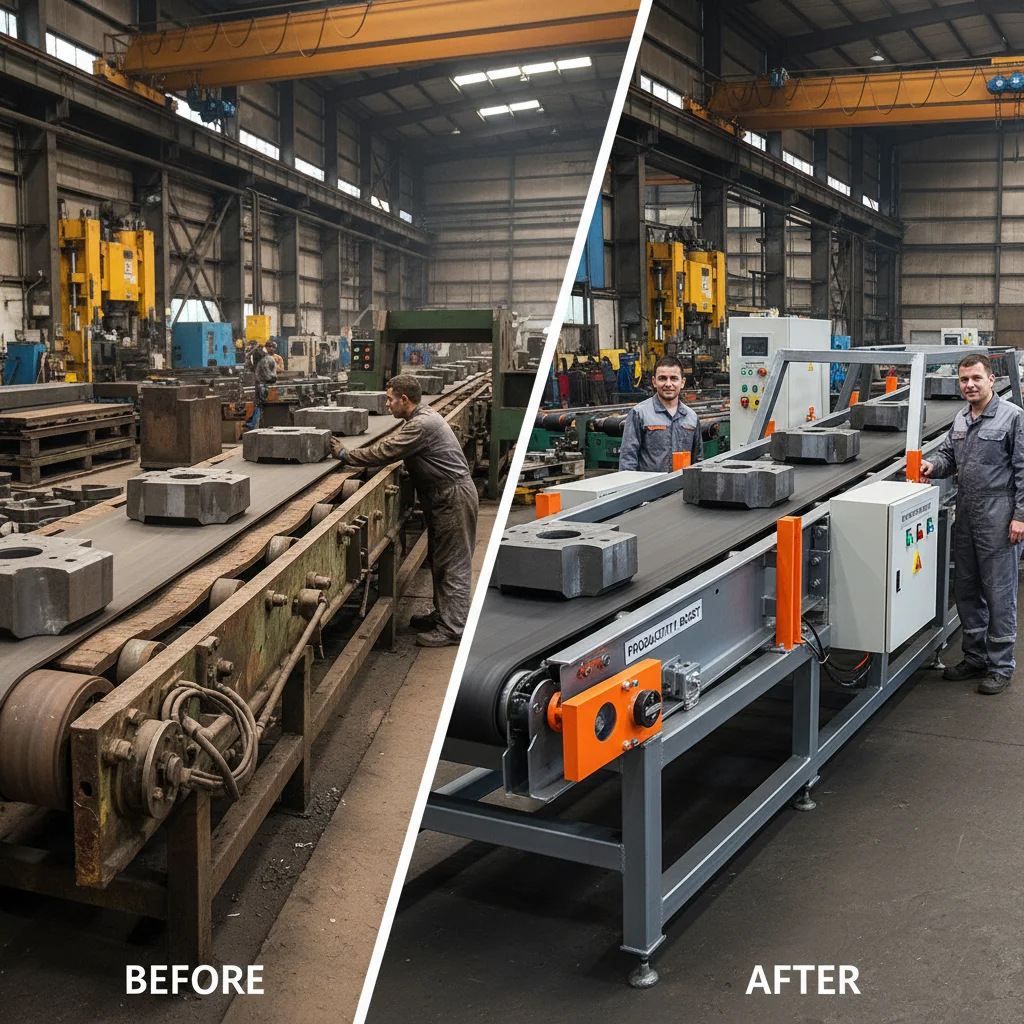
Frankly, not all conveyor parts are created equal. Their design, materials, and reliability directly impact efficiency, safety, and maintenance costs. I recall a project where switching out just the conveyor parts to heavier-duty idlers and better-quality belts reduced downtime significantly—something the engineers at the site still talk about years later.
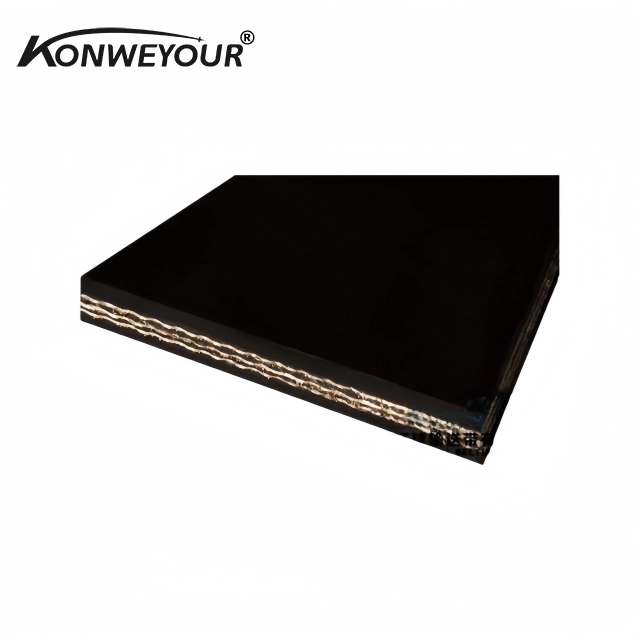
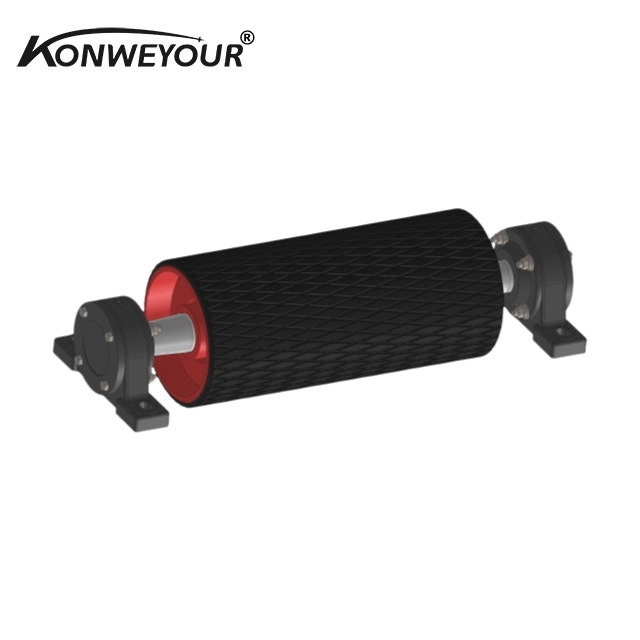
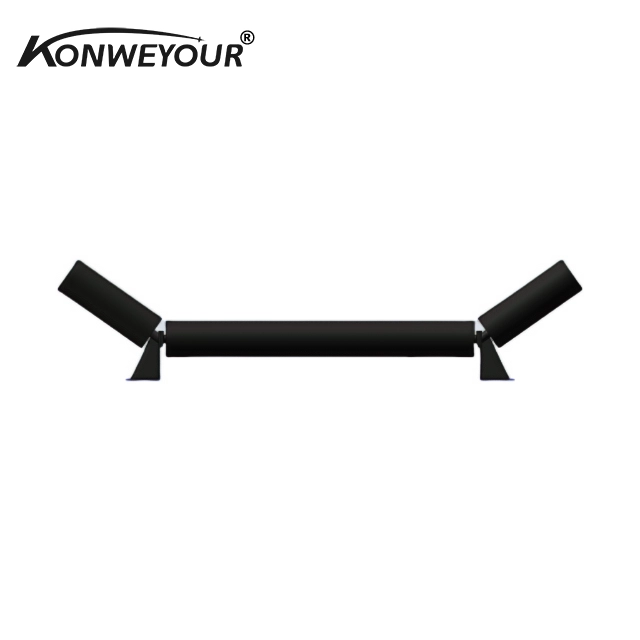
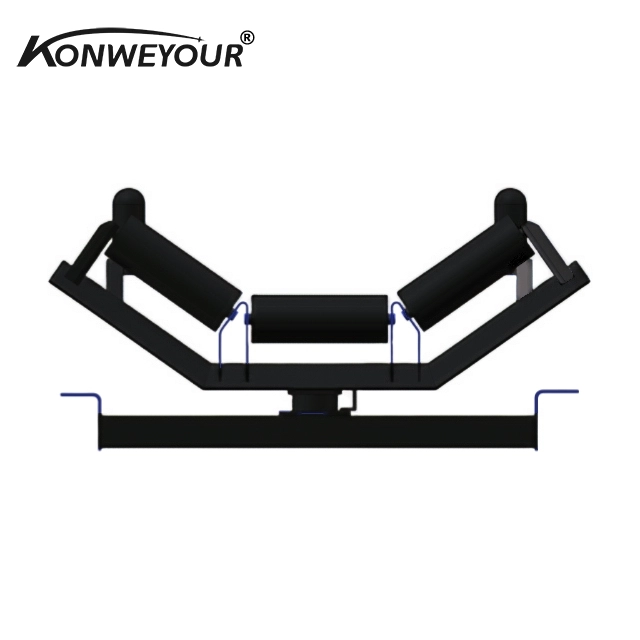
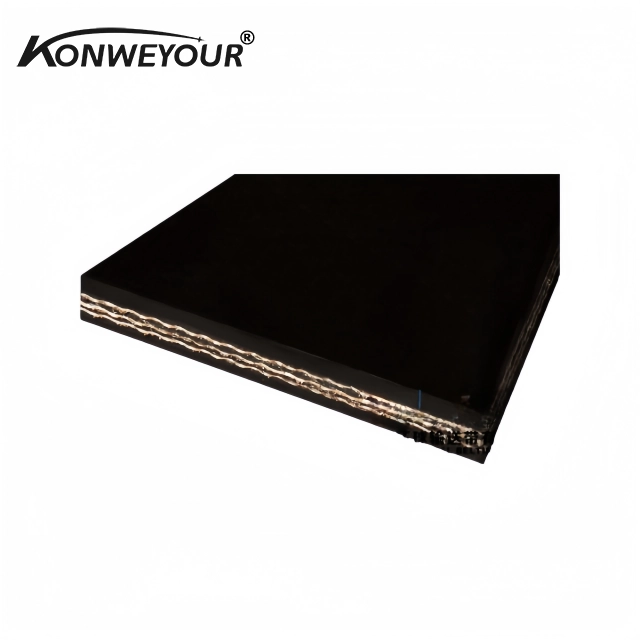
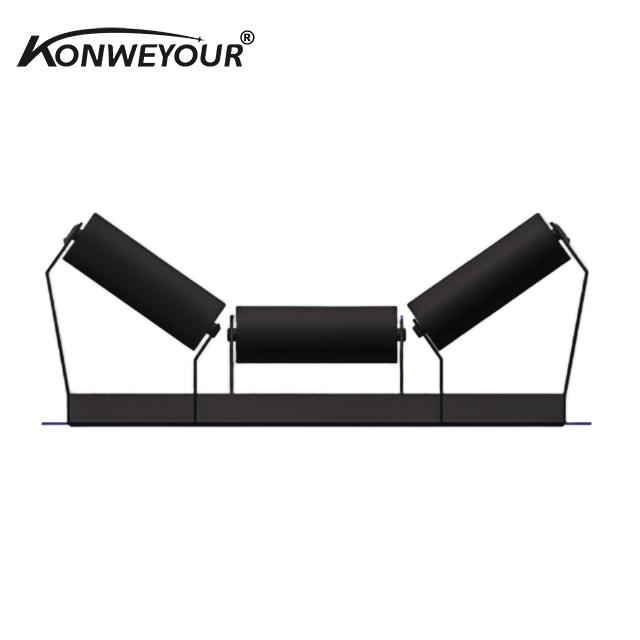
In real terms, the heart of a conveyor often lies in key components: conveyor belts, rollers, pulleys, idlers, and bearings. Each has its own role but must work seamlessly together. Materials matter here—a stainless steel roller, for instance, is invaluable in food or corrosive environments, while plastic or nylon parts reduce noise and wear in packaging lines.
Essential Conveyor Parts Specifications
| Component |
Material |
Typical Use |
Durability |
| Conveyor Belt |
PVC, Rubber, PU |
Material transport, packaging |
Medium to High |
| Rollers/Idlers |
Steel, Stainless Steel, Nylon |
Supporting belt, load handling |
High |
| Pulleys |
Steel, Cast Iron |
Driving or redirecting belt |
Very High |
| Bearings |
Steel, Sealed Units |
Reducing friction on rollers |
High |
Customers I've worked with often ask about customization, which—honestly—is one of the conveyor parts' biggest selling points these days. Custom rollers, belts with special coatings, or engineered idlers can adapt conveyors to tricky environments or specific products. For example, cold storage warehouses need parts rated for extremely low temperatures. In contrast, food manufacturing demands sanitary, FDA-approved materials.
Vendor Comparison: Common Conveyor Parts Suppliers
| Supplier |
Product Range |
Customization |
Lead Time |
Price Level |
| JT Conveyor |
Comprehensive |
High |
4-6 weeks |
Moderate |
| Supplier B |
Limited |
Low |
2-3 weeks |
Low |
| Supplier C |
Specialized |
Medium |
6-8 weeks |
High |
One subtle but important note: when choosing parts, the testing and quality control behind them matter just as much as specs. I’ve seen consistent failures where folks went for the cheapest options without certifications or field test data—often ending up spending more in the long run. So, it’s no accident that industry veterans tend to trust suppliers with a solid, verifiable track record.
So, to sum up a bit: conveyor parts aren’t just spare pieces. They’re carefully engineered components that keep your plant running smoothly. With the right choices, they certainly pay dividends in uptime and peace of mind—the sort of things you can’t easily put a price on.
(And if you happen to be searching for quality conveyor parts, don’t forget to check out JT Conveyor —I’ve seen firsthand how their products stand up under pressure.)
References:
1. Conveyor Equipment Manufacturers Association (CEMA) Guidelines
2. Industrial Conveyor Handbook, 4th Edition
3. Personal experience and project case studies, various industrial plants